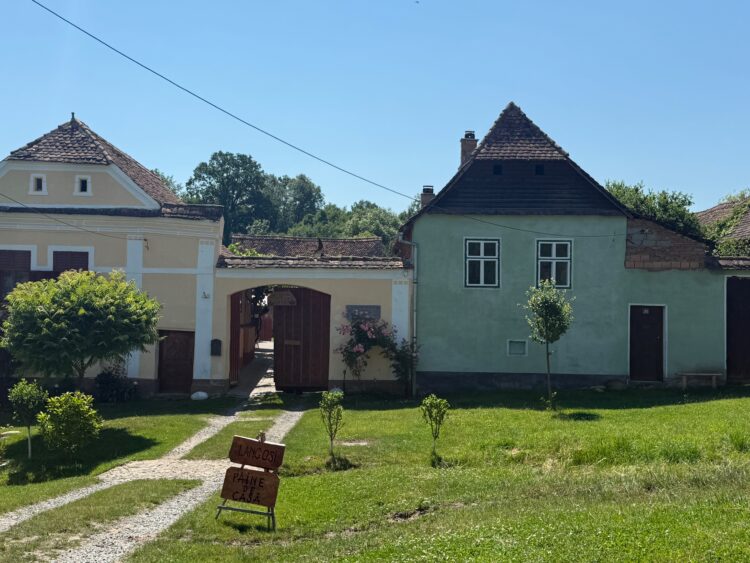
Two traditional Saxon villages in Transylvania today. Beautiful old houses, unique fortified churches, and a short exploration of the city of Brașov.
Day 4, Friday, June 26: Saschiz, Viscri, Brasov
In the morning, before our departure from Sighișoara, Steve and I made sure to walk in the town one more time. The weather was pleasant and there were no tourists around. We felt the town existed almost just for ourselves.
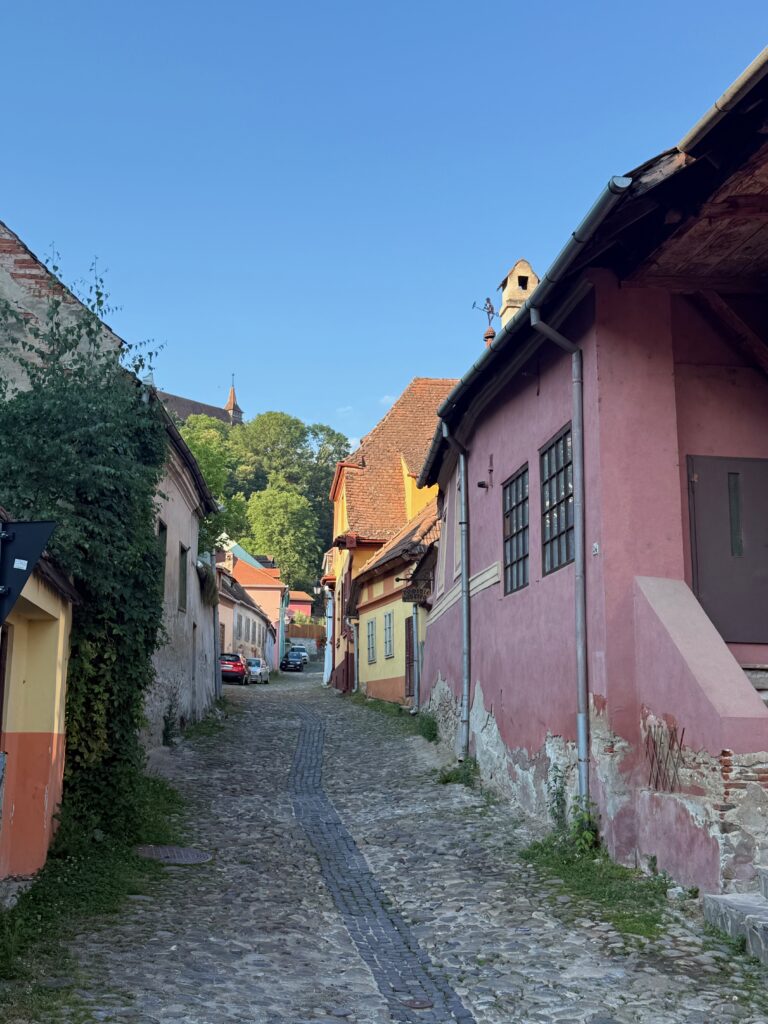
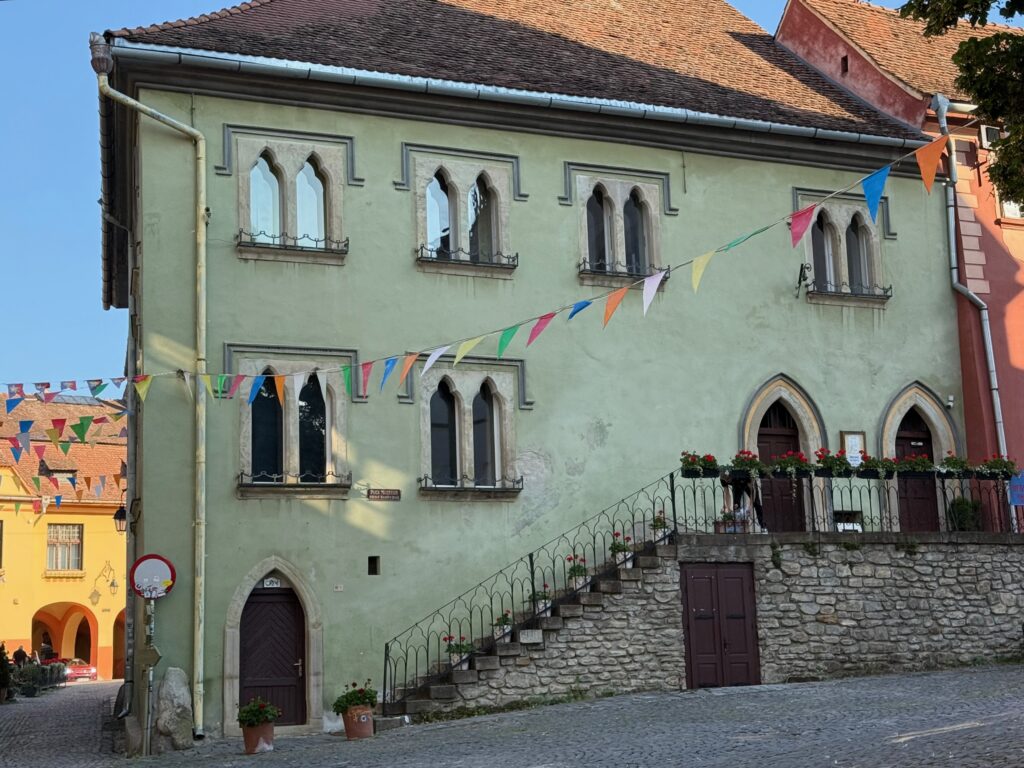 We drove to two traditional villages, Saschiz and Viscri that have UNESCO World Heritage fortified churches. We learned about the history of these medieval Saxon villages from local guides.
In the 12th century, German merchants and craftsmen – the Saxons of Transylvania – were invited by Géza II, the King of Hungary, to settle in Transylvania and defend the frontier. They were the ones who built the fortified churches.
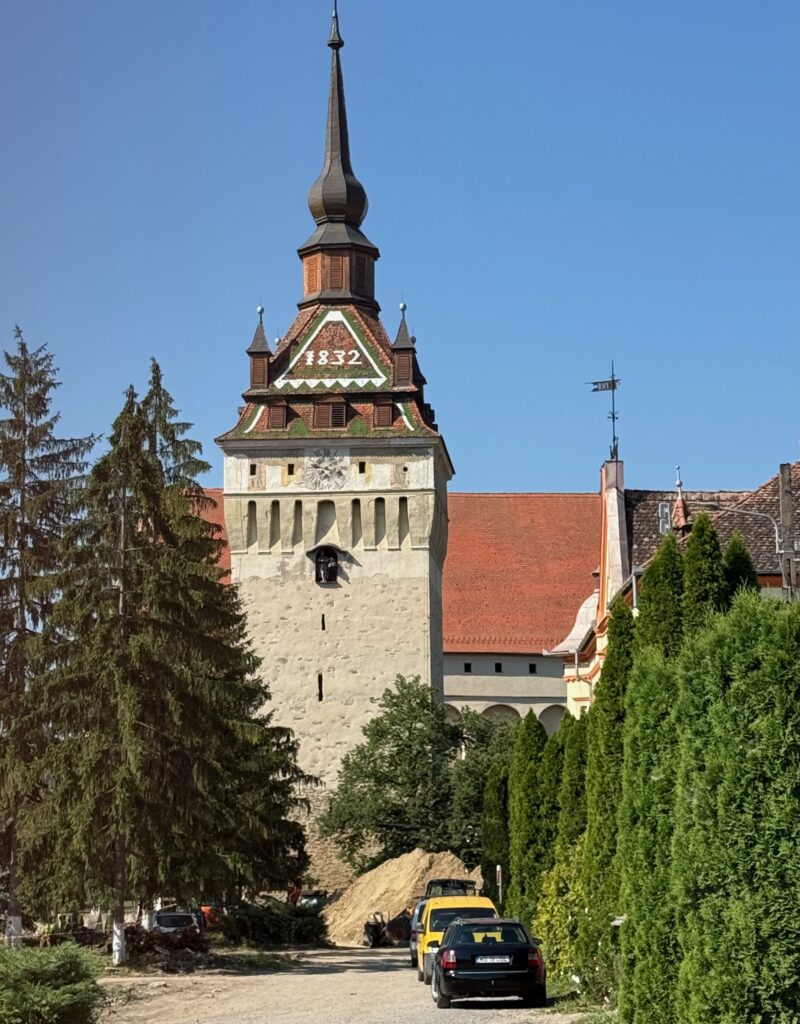
The first village we visited was Saschiz (in Hungarian: Szászkézd), located about 20 km from Sighișoara. Its spectacular fortified Evangelical church, the symbol of the village, was built in three years, starting in 1493.
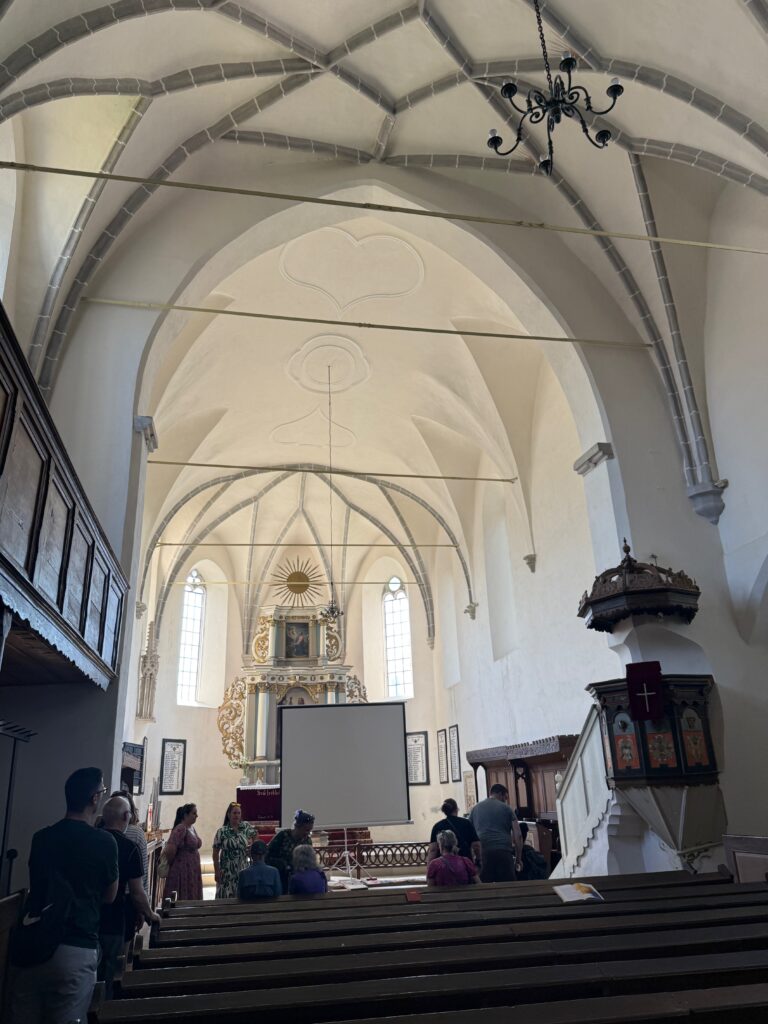
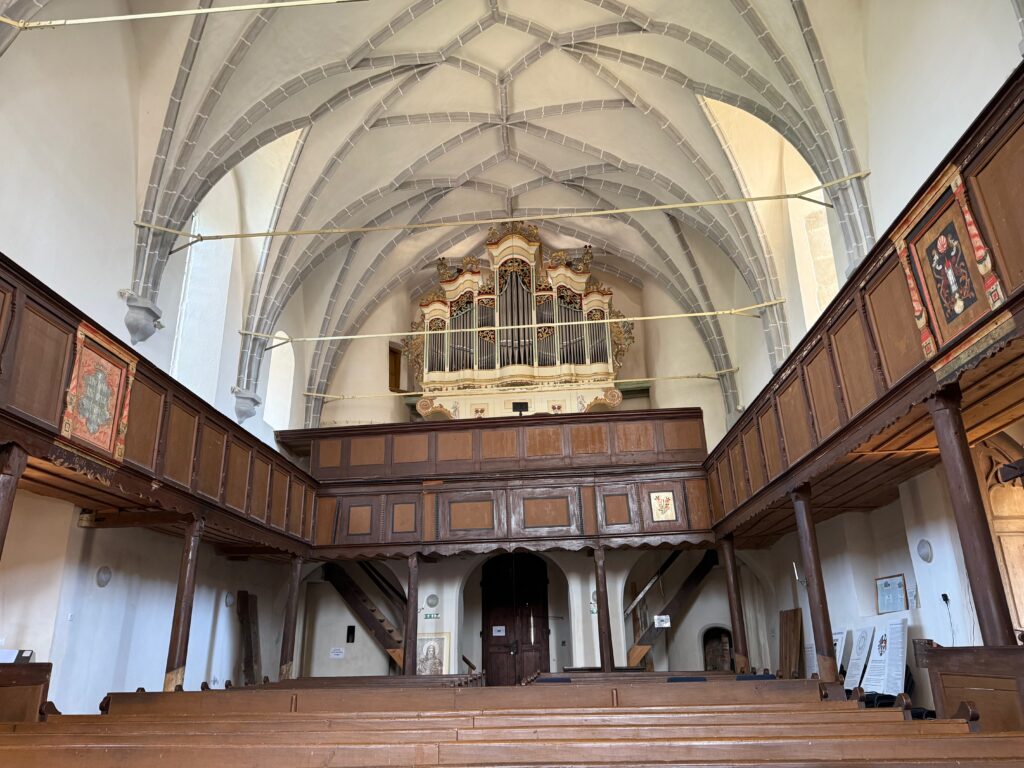
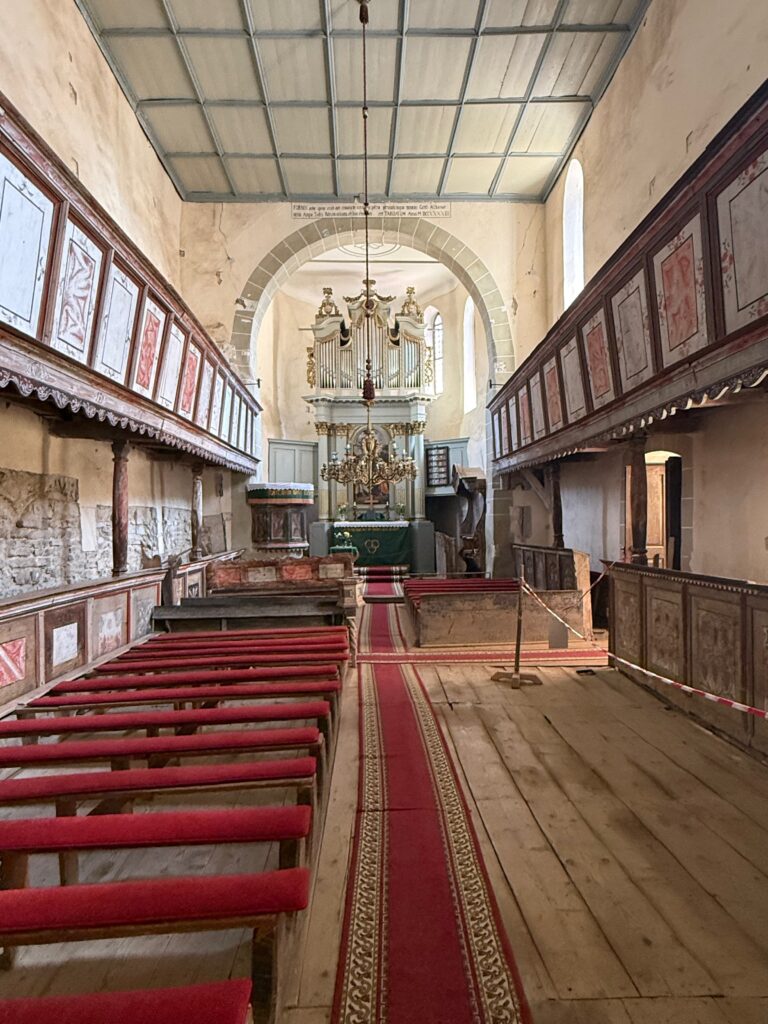
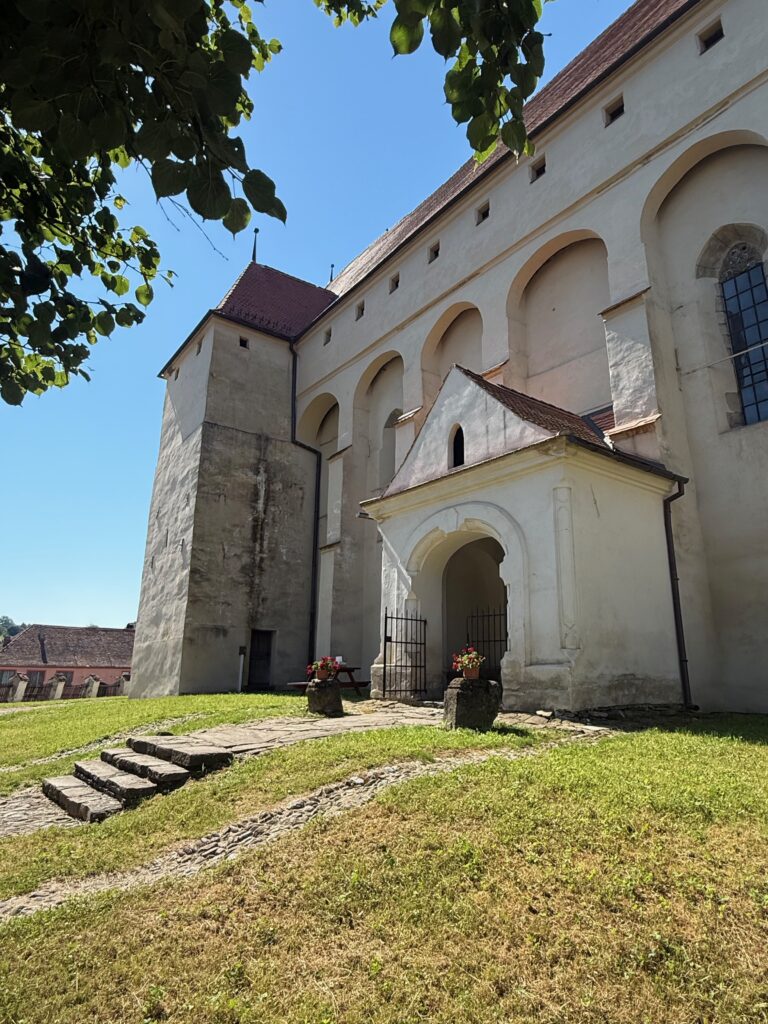 The interior of the church is very simple but impressive (the original frescoes had been initially covered but some are now visible). Its organ is one of the largest in Transylvania.
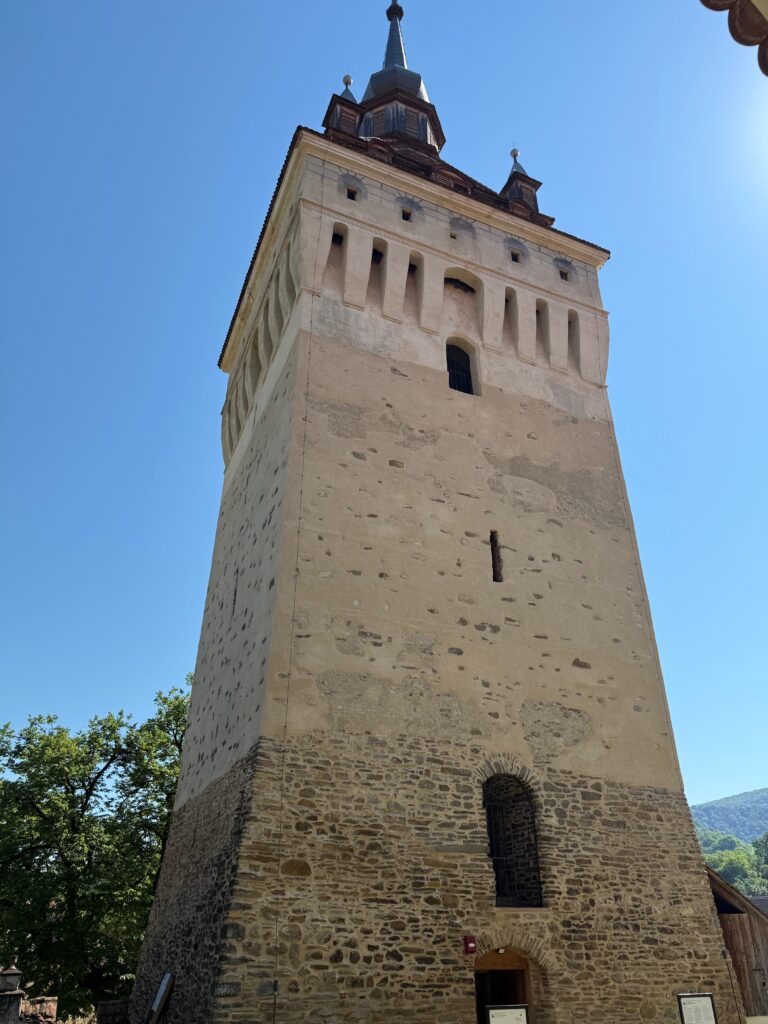
 Next to the church sits an imposing clock tower.
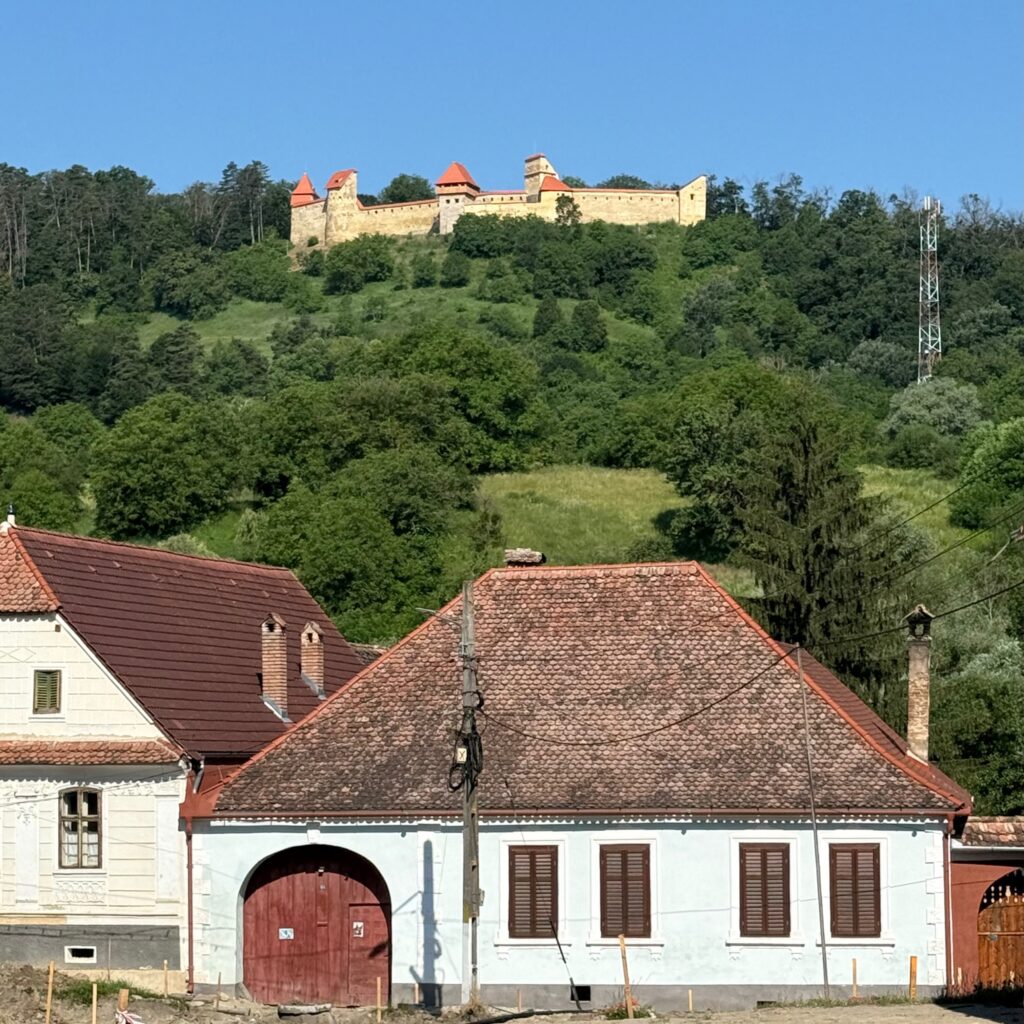
 Atop a hill we could see the ruins of a 14th-century fortress.
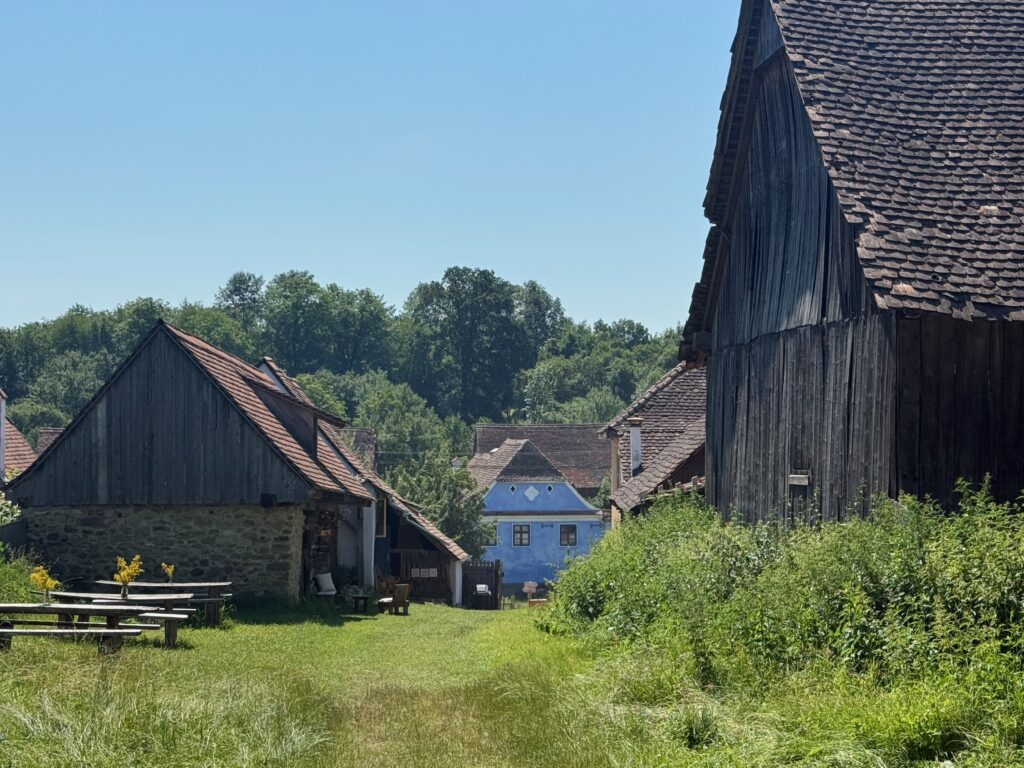
 The second village we visited was Viscri (in Hungarian: Szászfehéregyháza), 40 km from Sighisoara. It’s a small village about 500 people from which in these days only about 27 are Saxons.
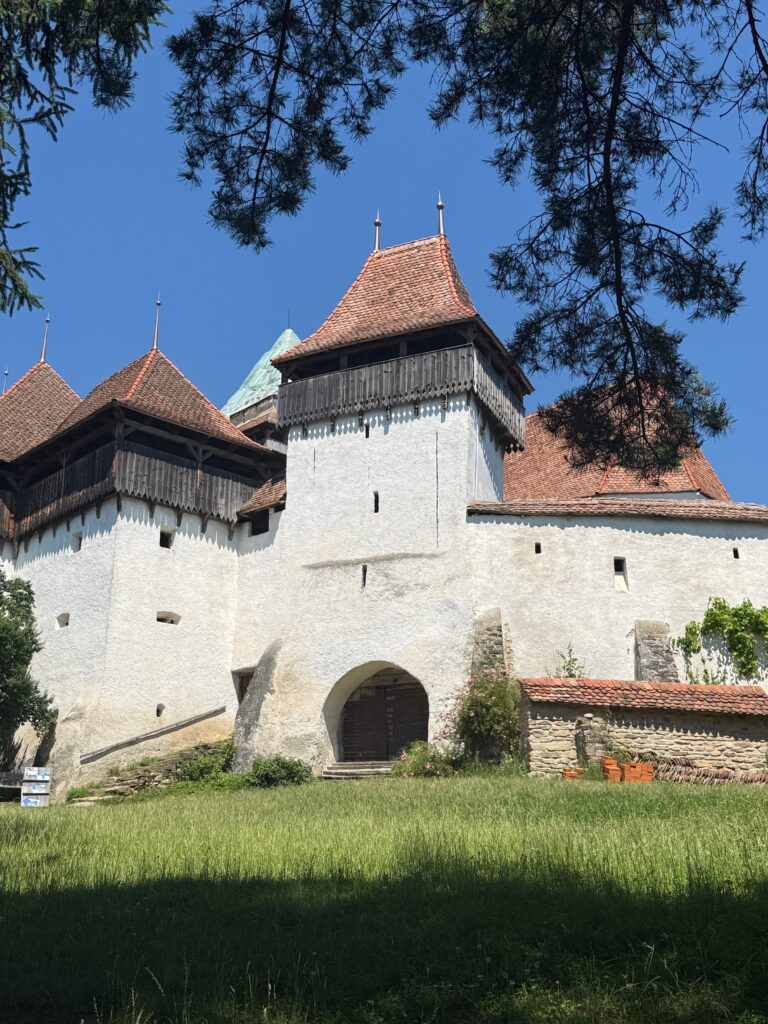
 Some people say that Viscri has the most picturesque fortified church in Transylvania. This well-preserved Evangelical church dates back to the 13th century.
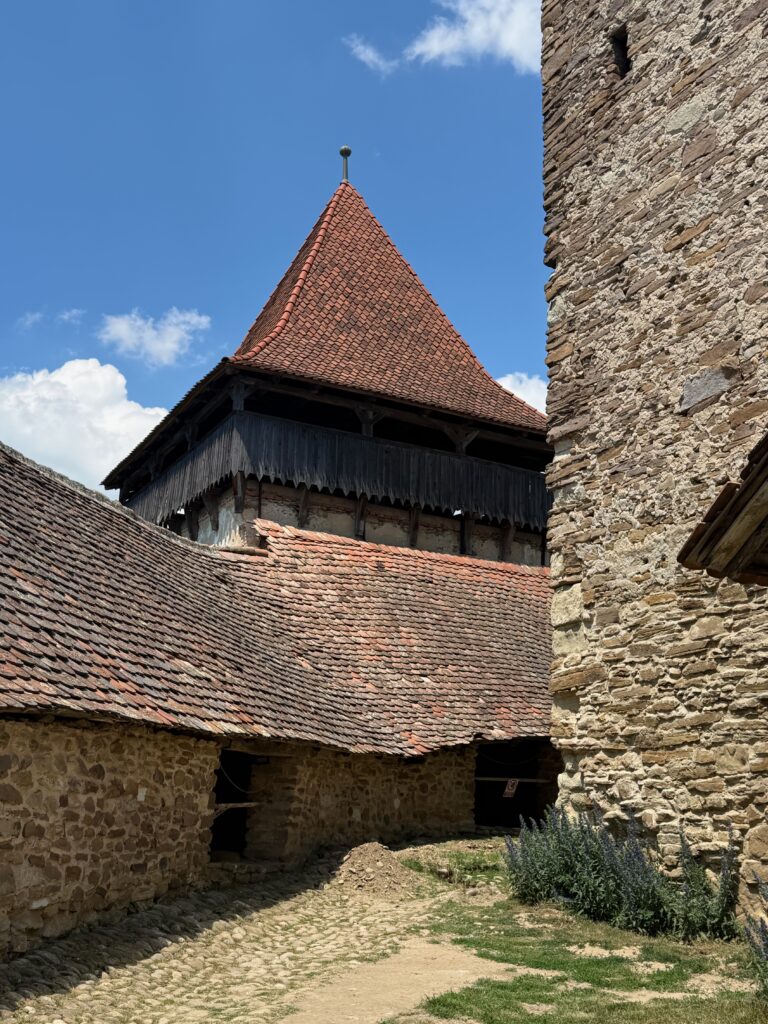
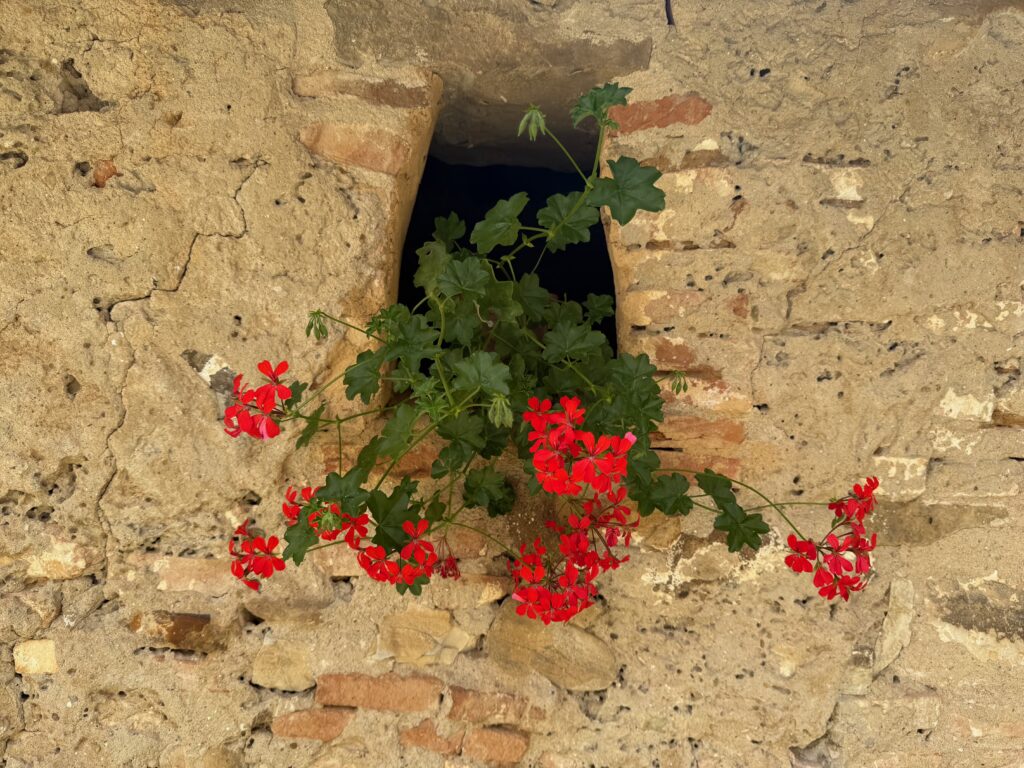 From one of the members of the congregation we learned not only about the history of the church but also about the history of the Saxons in Transylvania. Between 1965 and 1989, under Nicolae Ceausescu’s communist dictatorship, many Saxons emigrated to West Germany. Today less than one percent of Transylvania’s population are Saxons.
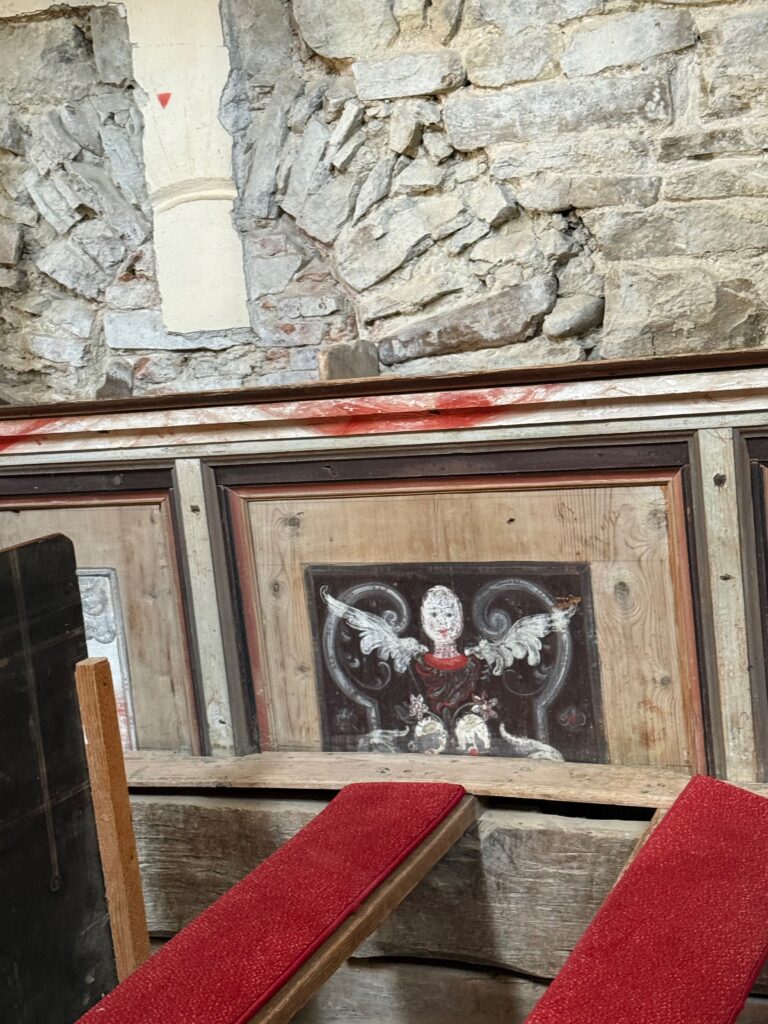
 She also told us a story of one of the frescoes in the church, the angel of death. Interestingly enough, people who feel that their days on Earth might be numbered, will sit by this frescoe during the German church service. But whoever else might sit there accidentally, will feel a little bit creepy.
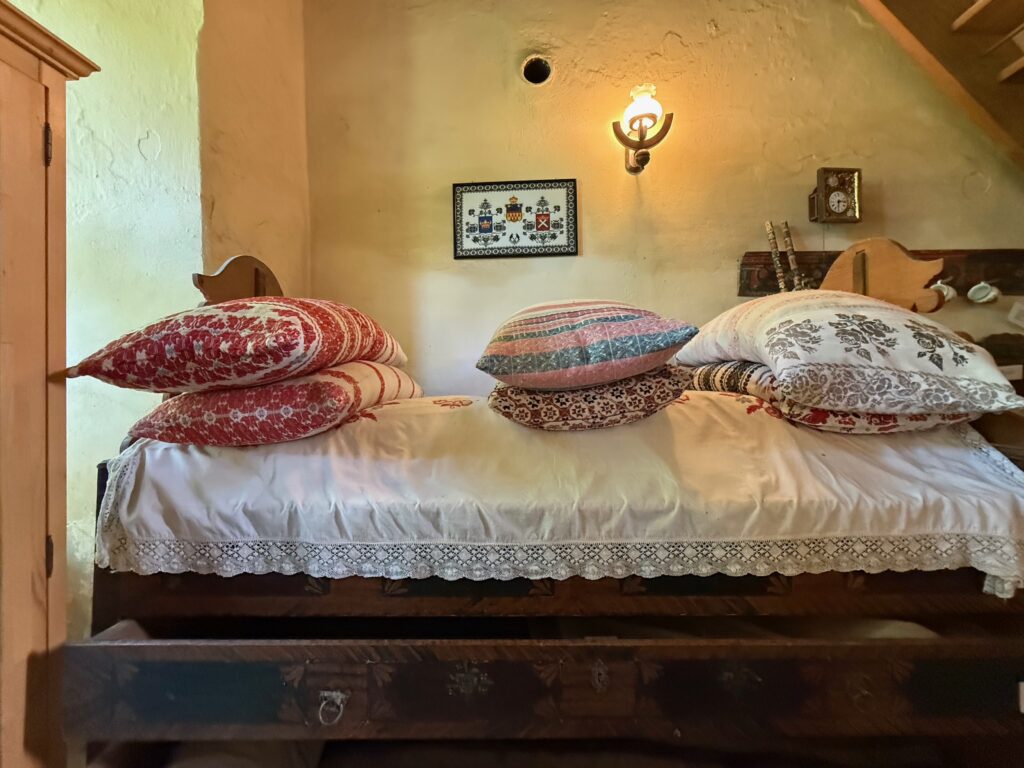
 An interesting museum is part of the citadel. Here we learned about the customs of the Saxon people, saw their traditional furniture, clothing, and tools.
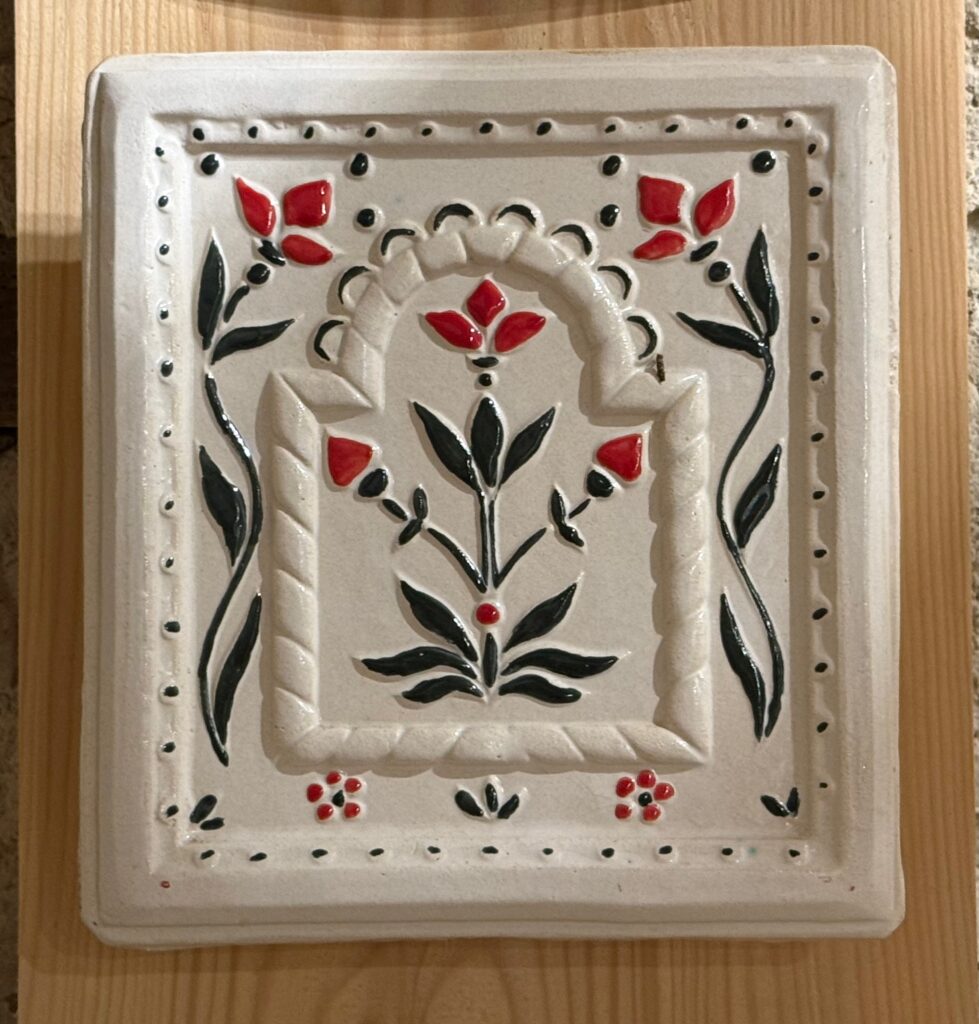
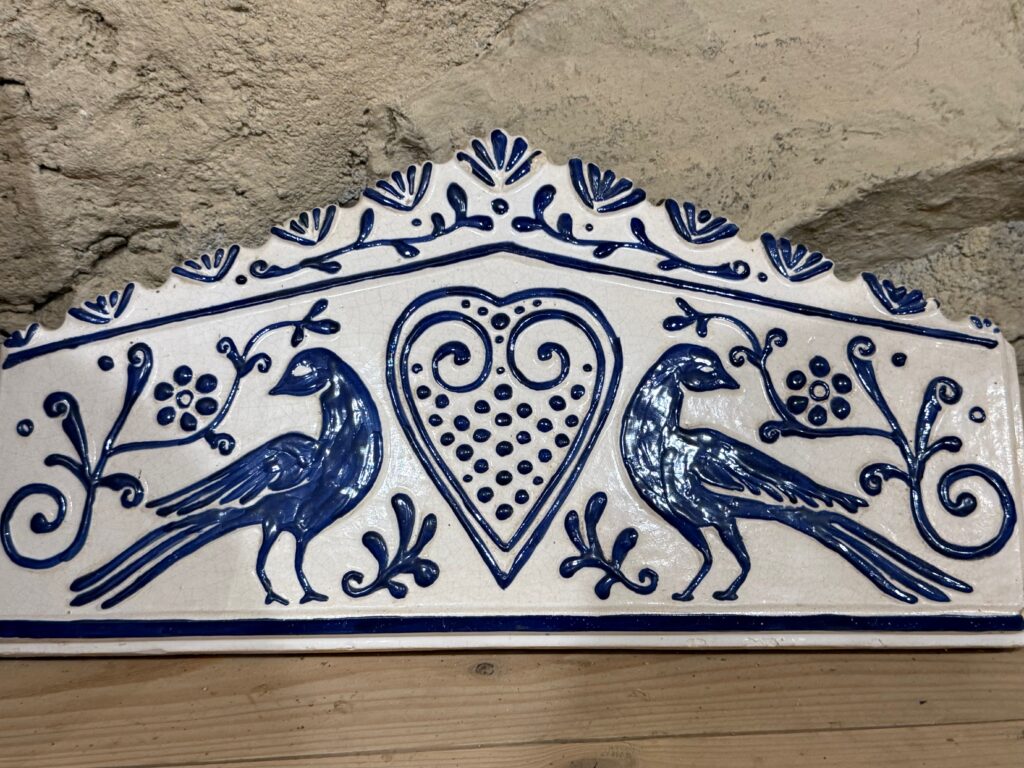
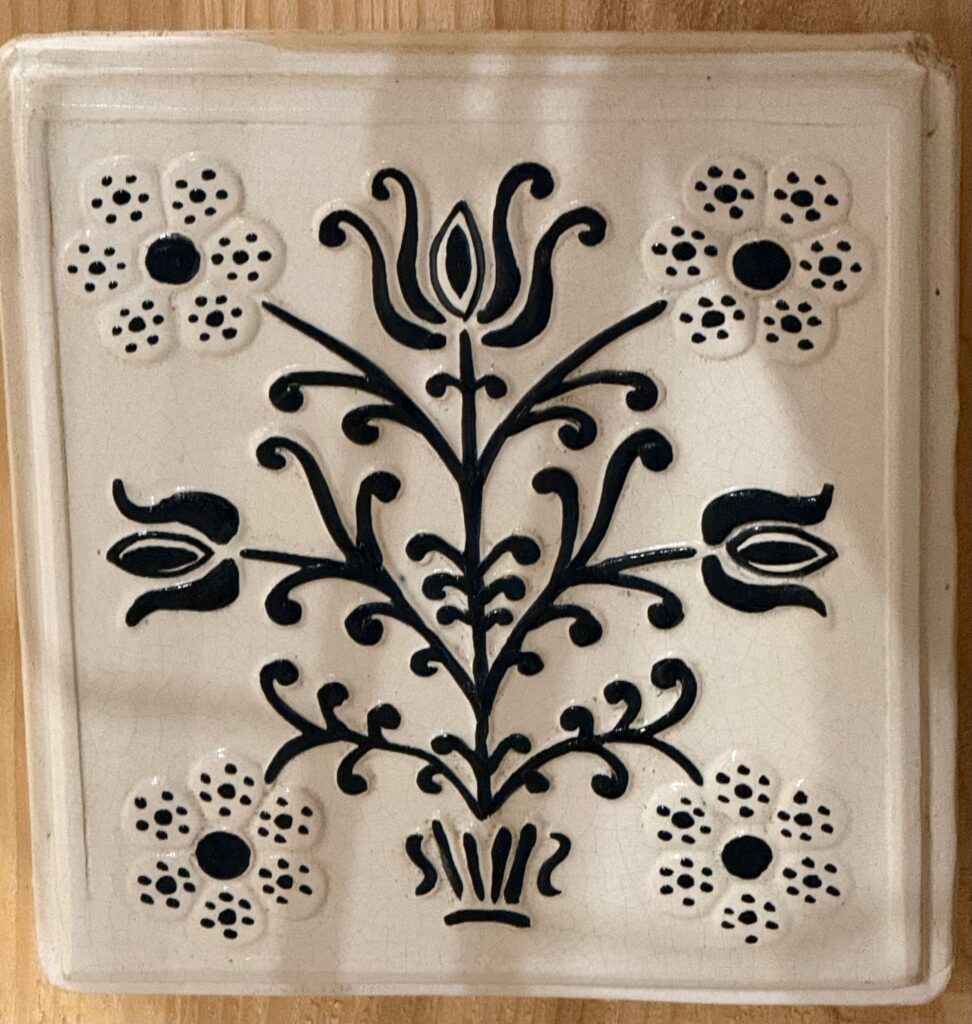
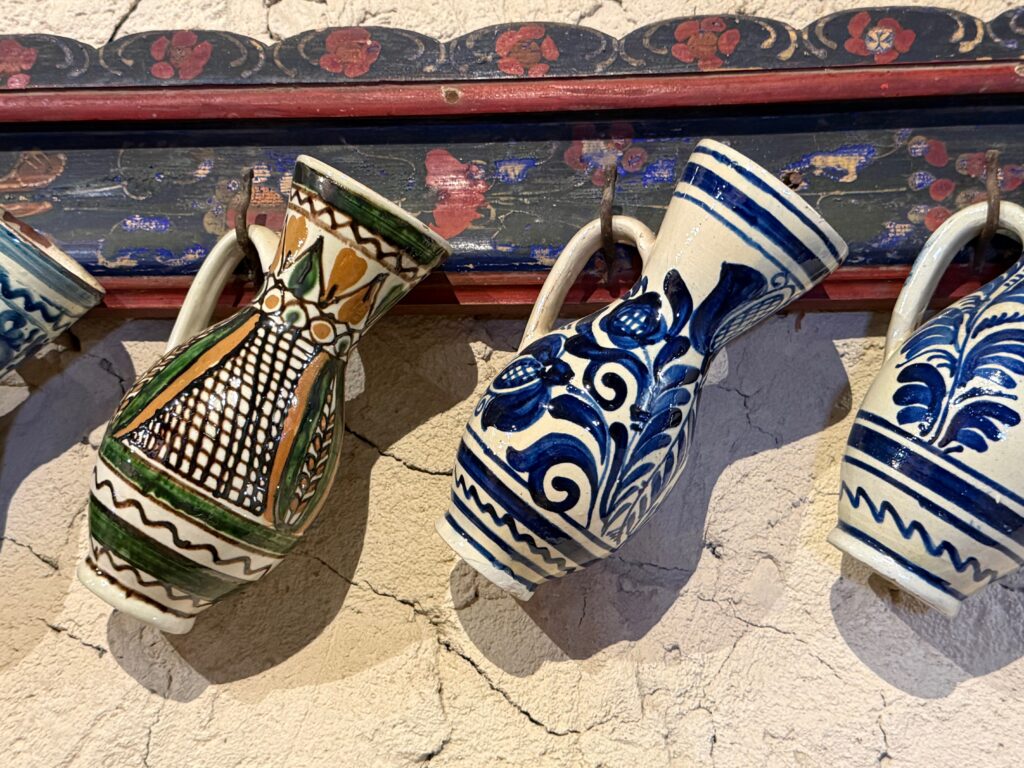 There was an exhibition of beautiful tiles too with local motifs.
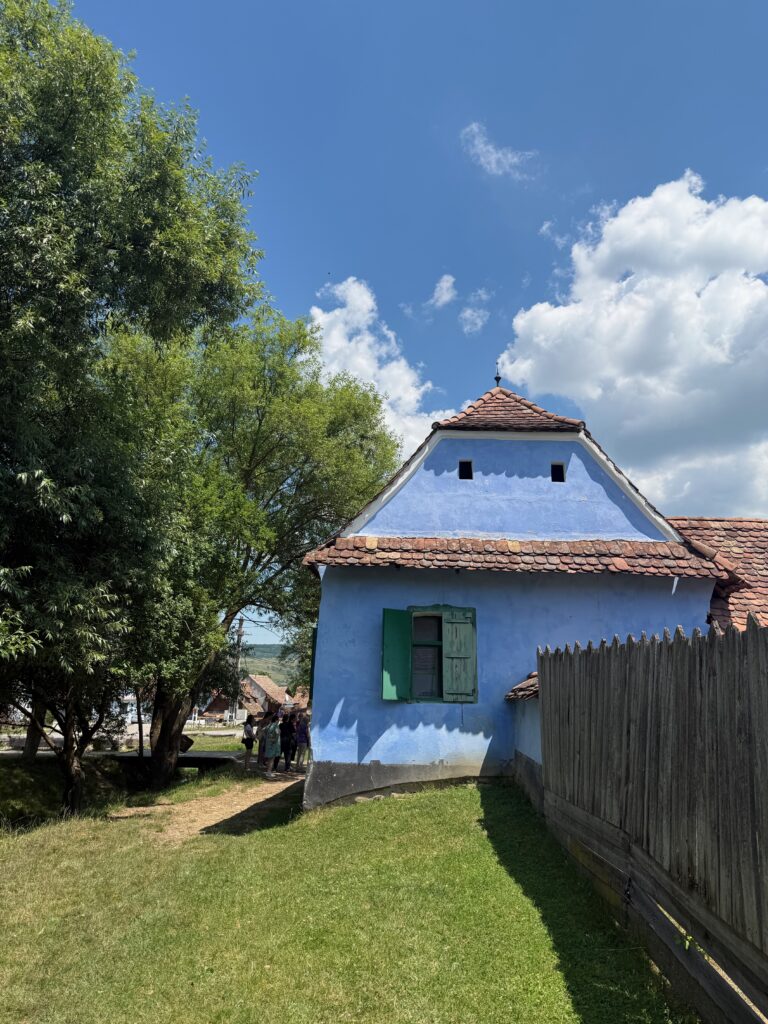
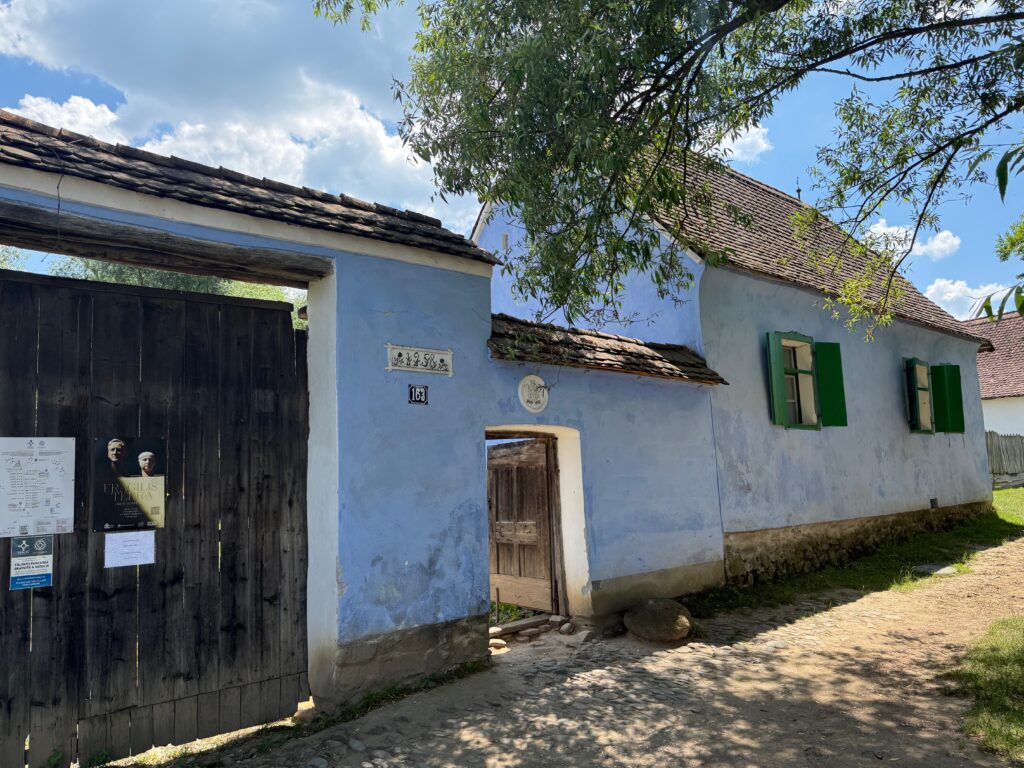
 Walking through the village we were amazed by the variety of colorful houses.
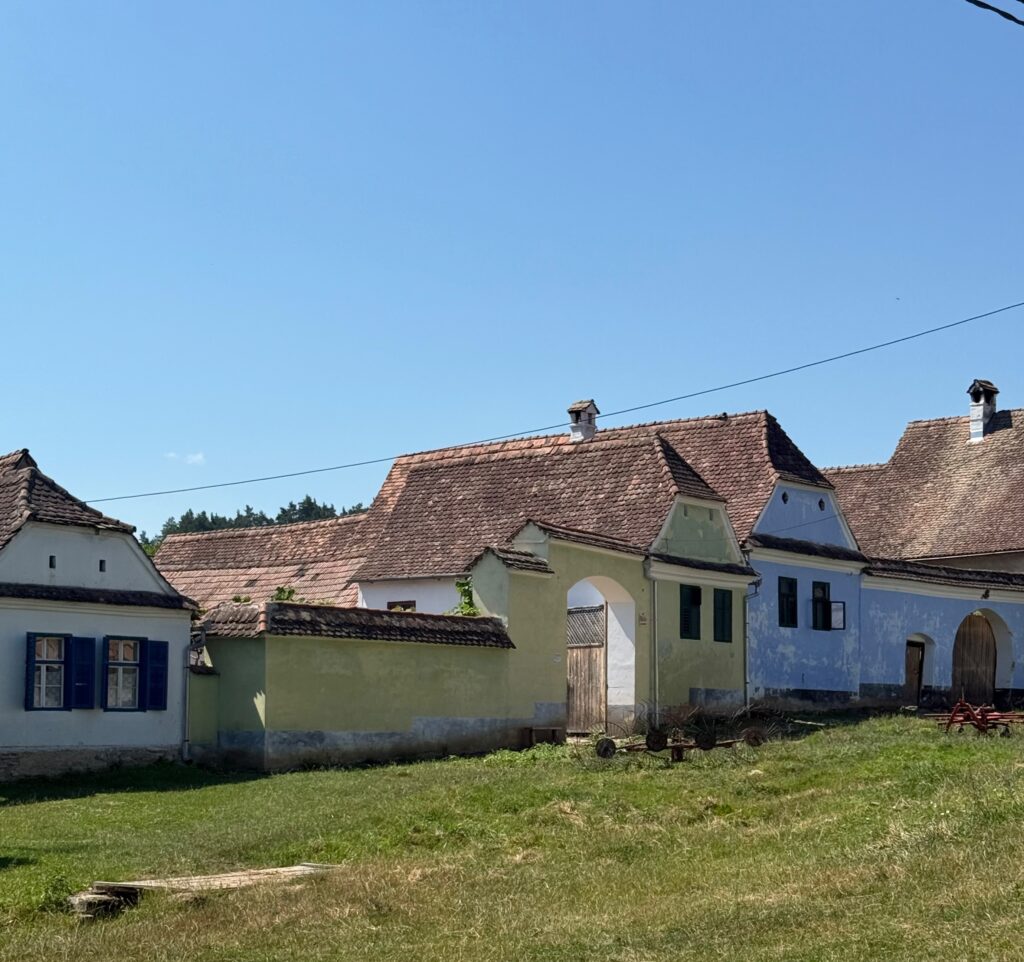
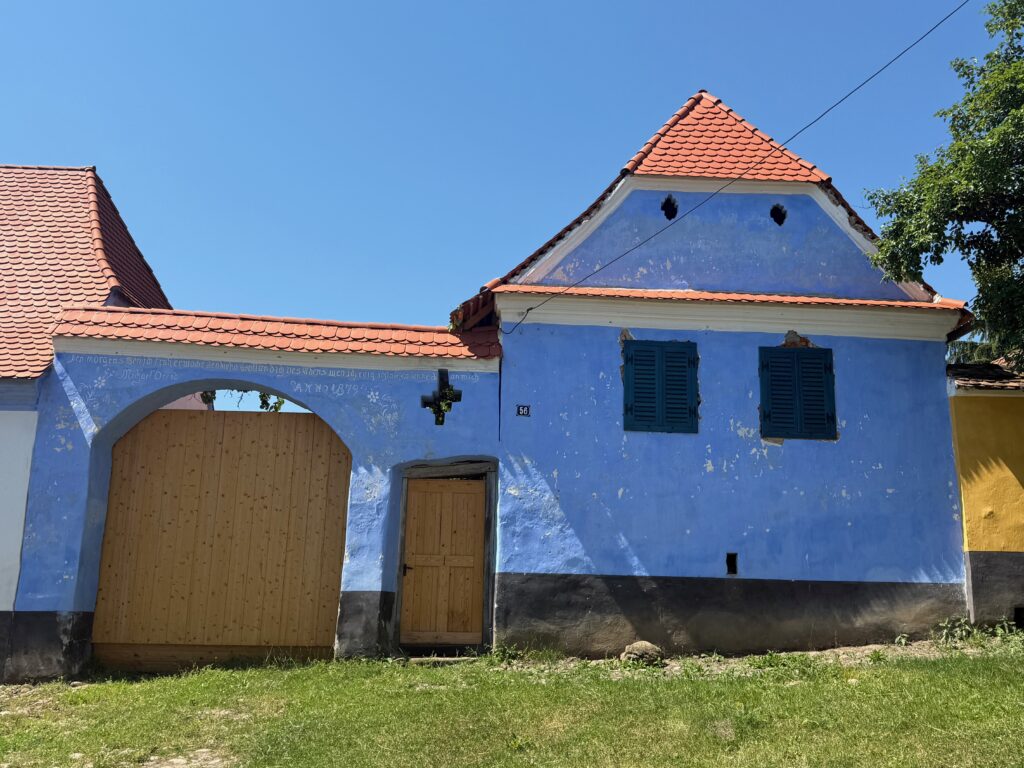
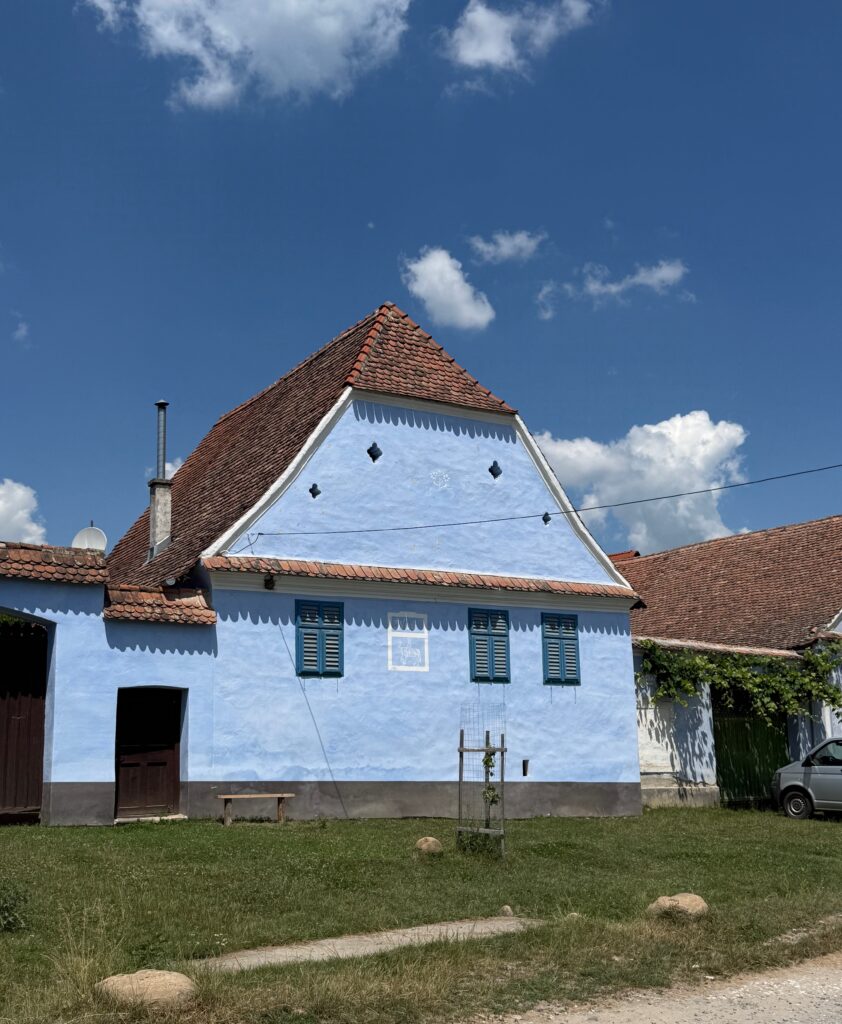
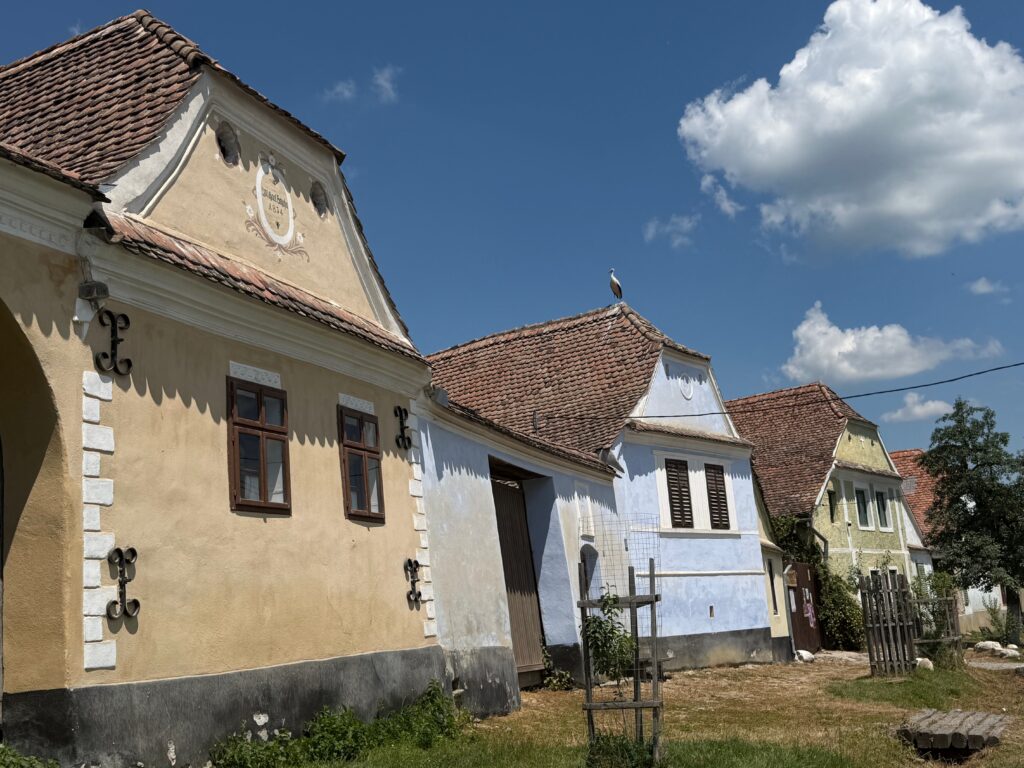
 One of the places we stopped was the King’s House, a beautifully restored 18th century Saxon house. Prince Charles of Wales fell in love with the natural beauty of Transylvania and in 2006 he bought and restored houses in Viscri to help protect the unique way of life.
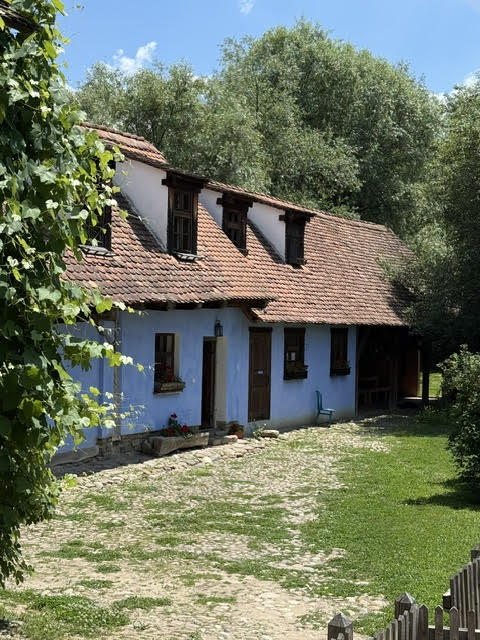
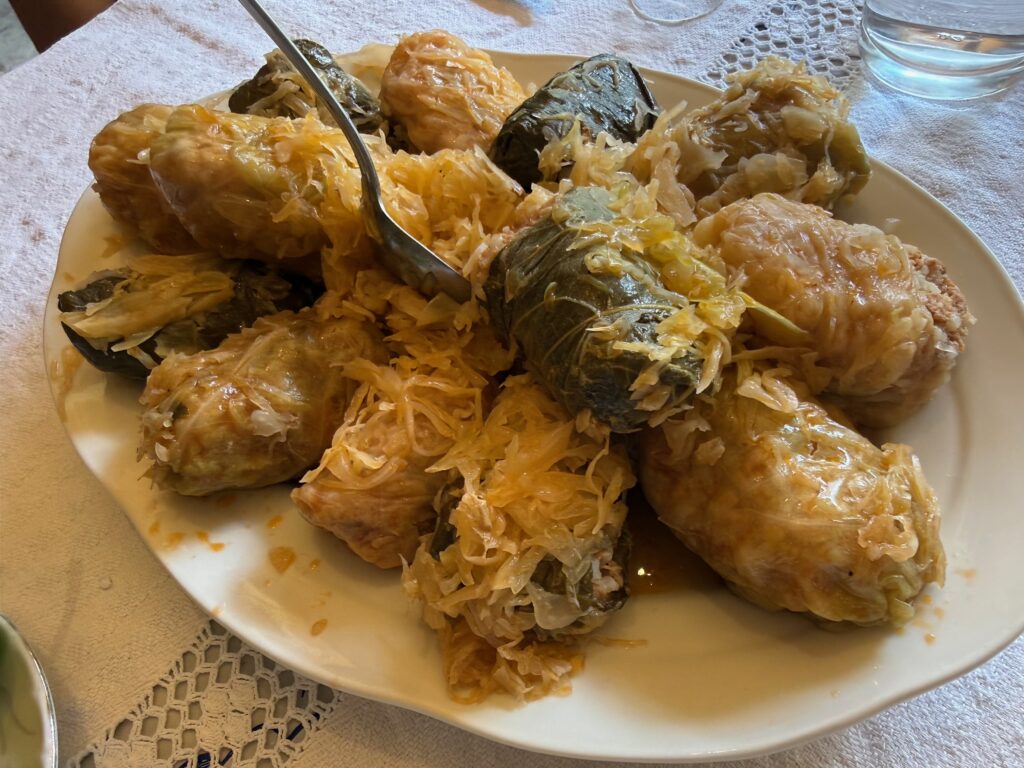
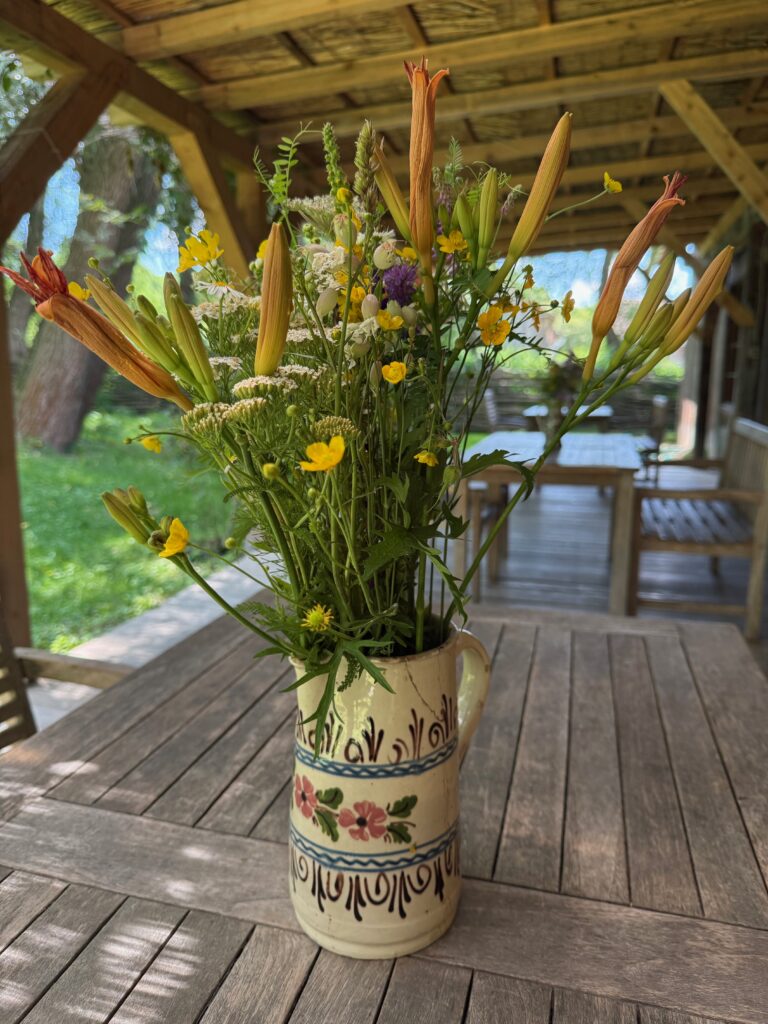 After the visit to this unique place, we had a traditional lunch in an old Saxon house. The food was amazing: chicken soup, sarmales (sour cabbage rolls stuffed with meat), and sponge cake with fruit. We were even offered a home distilled moonshine.
 By 5 pm, after an hour-and-half long bus transfer, we entered the city of Braşov, the best-preserved medieval city in Romania.
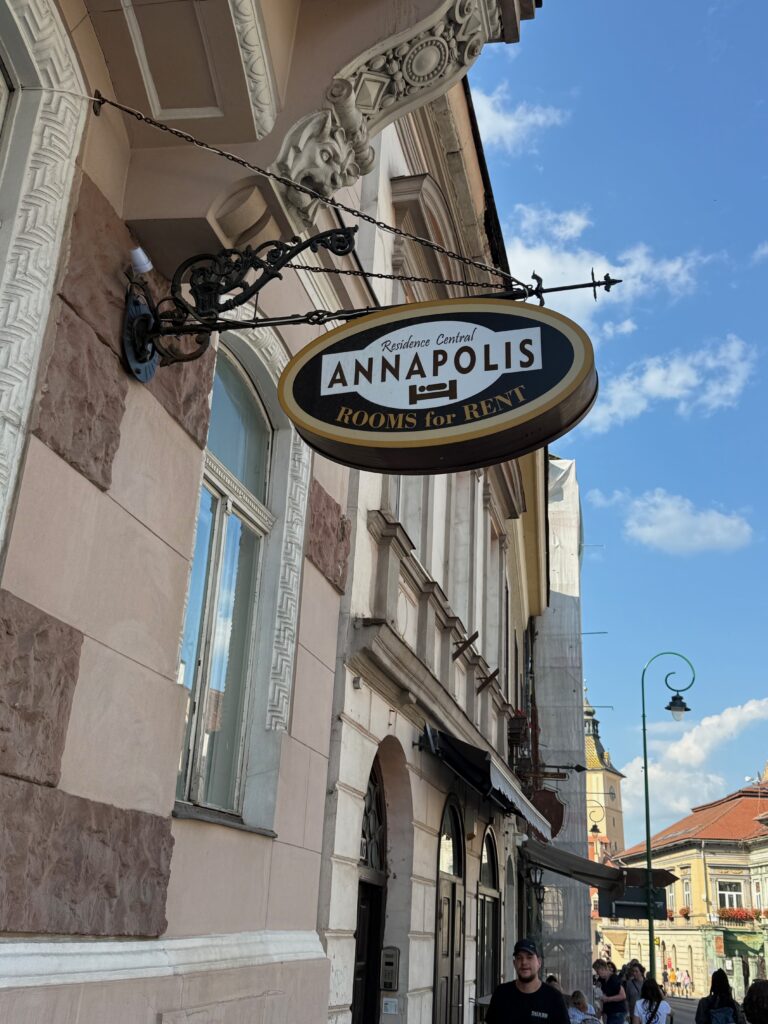
After checking into our hotel, the Central Residence Annapolis Braşov, which was located very close to the famous Black Church, we went out for our first exploration of the city.
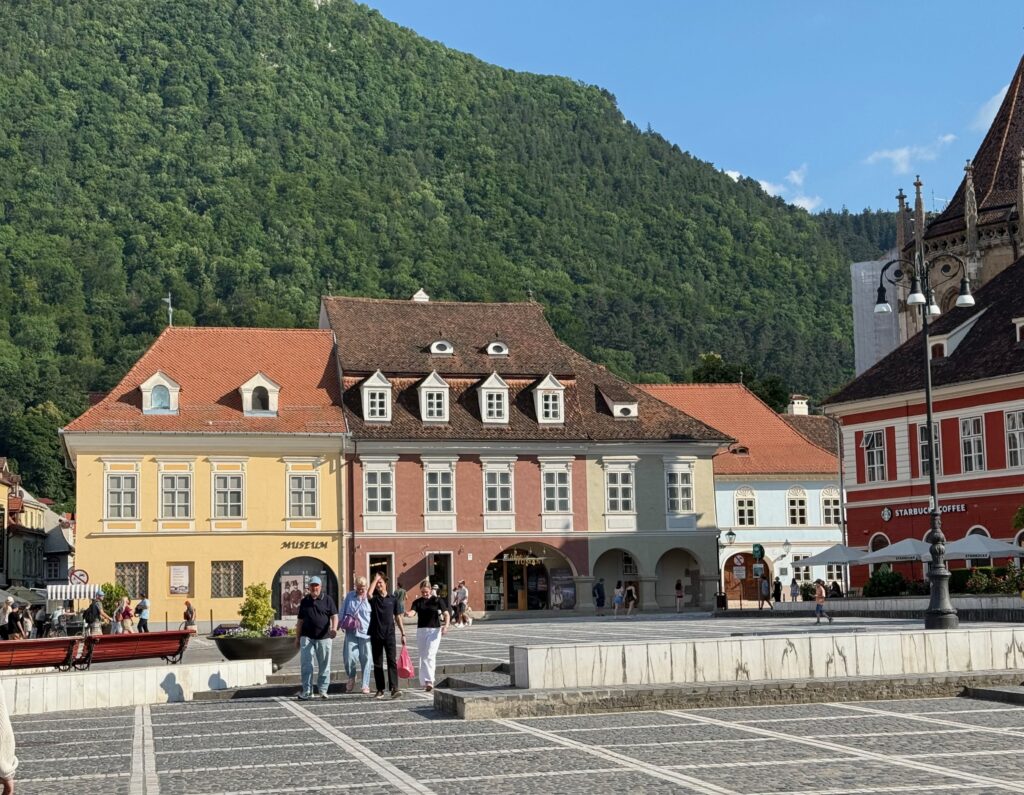 A long day with so many new experiences. Stay tuned for a separate post about Braşov.


