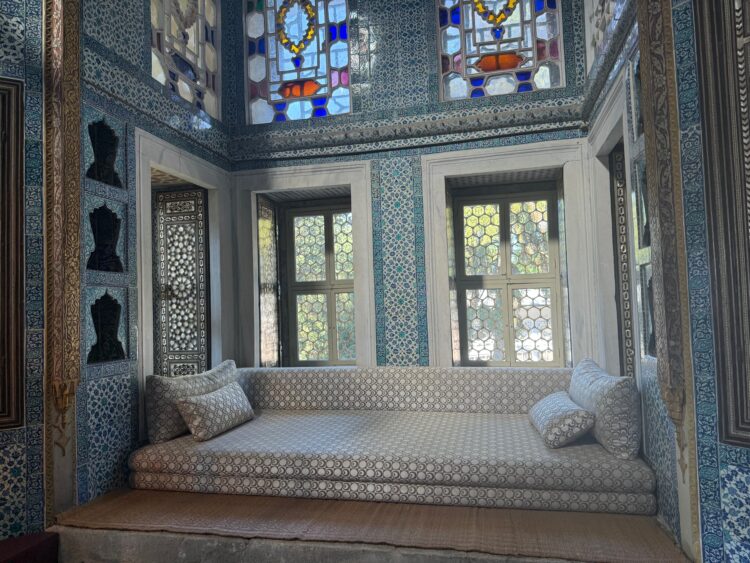
Today’s program was: Exploring the Asian side of Istanbul and visiting the incredible Topkapi Palace, a UNESCO World Heritage Site.
Day 14, Monday, July 6: Istanbul
This morning, on our last day in Istanbul, Steve and I took a 20-minute long ferry ride to the Asian side of the city.
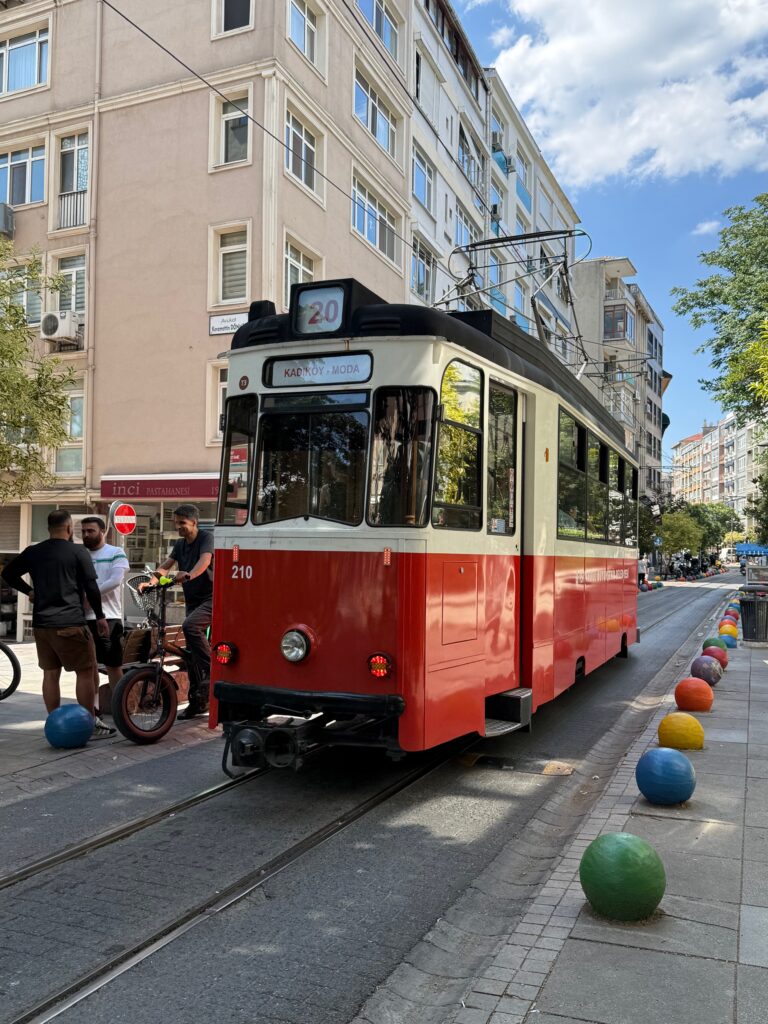
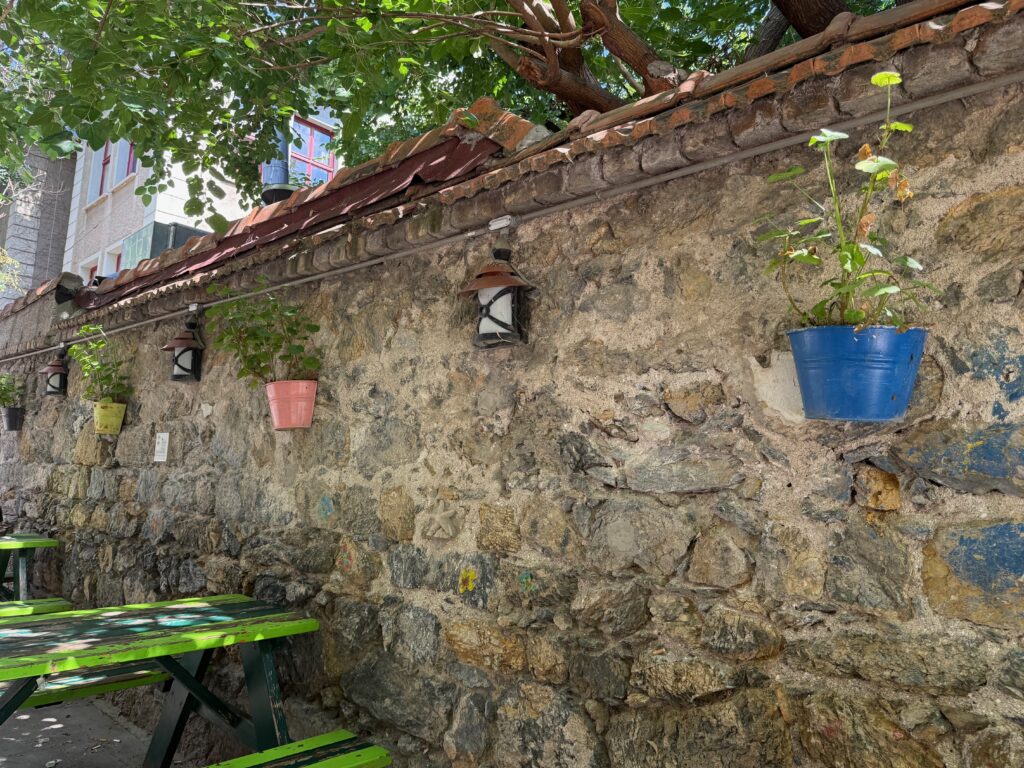
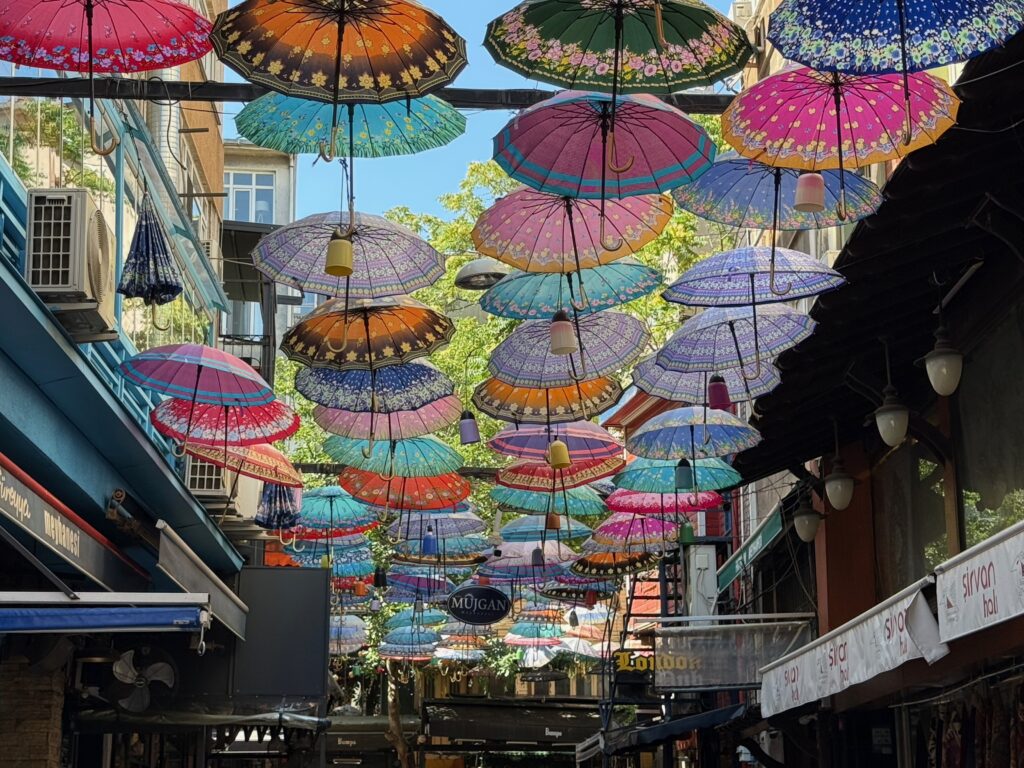
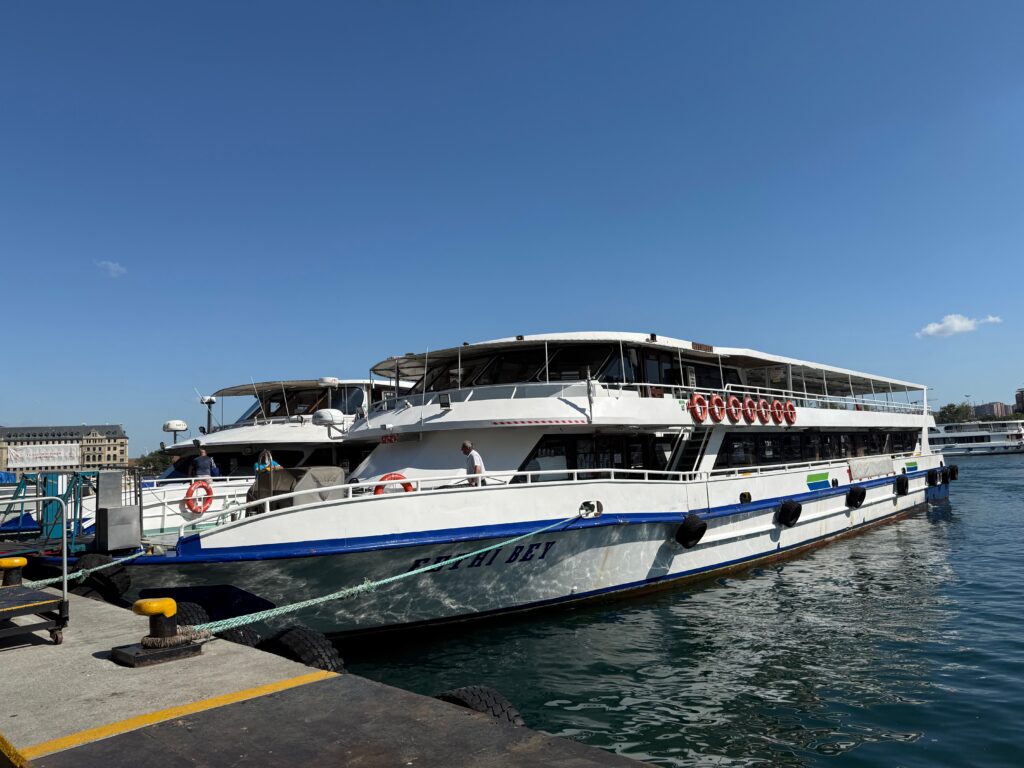 We explored the Kadiköy neighborhood where there were no famous sites, but the place was friendly and full of character.
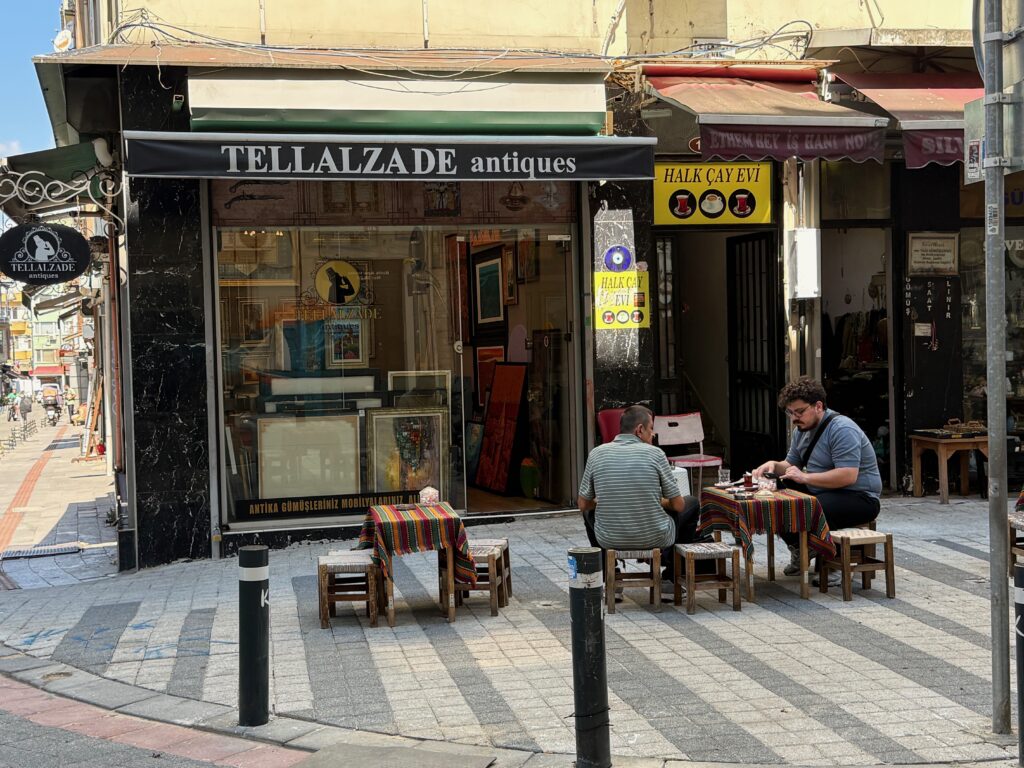
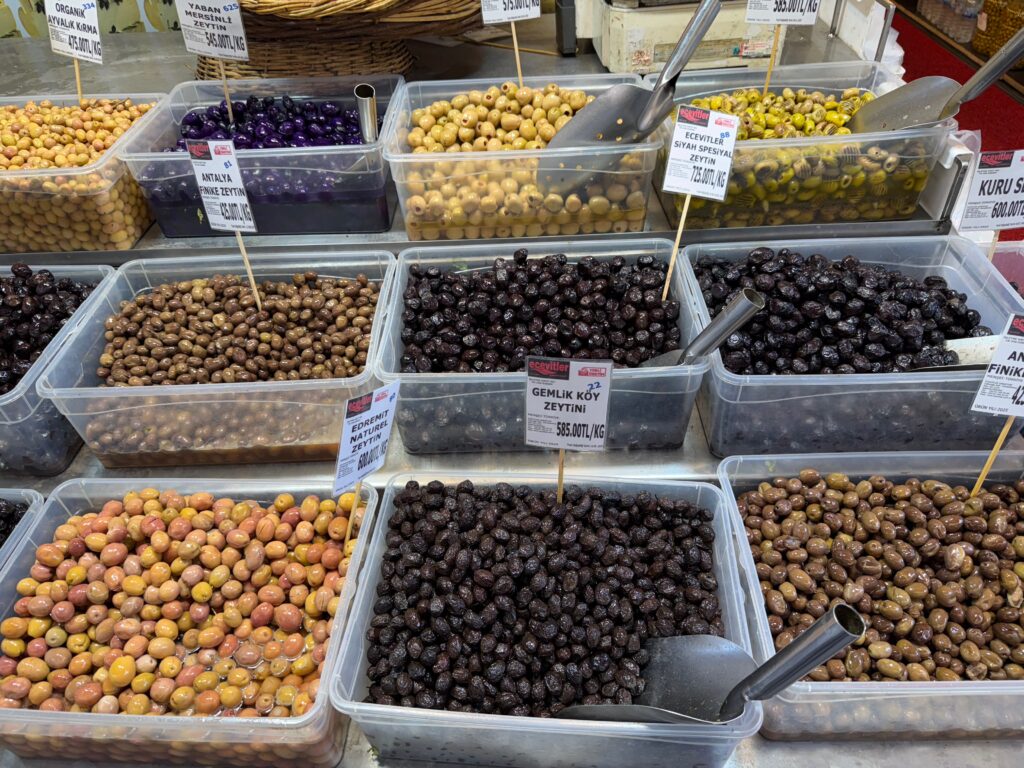
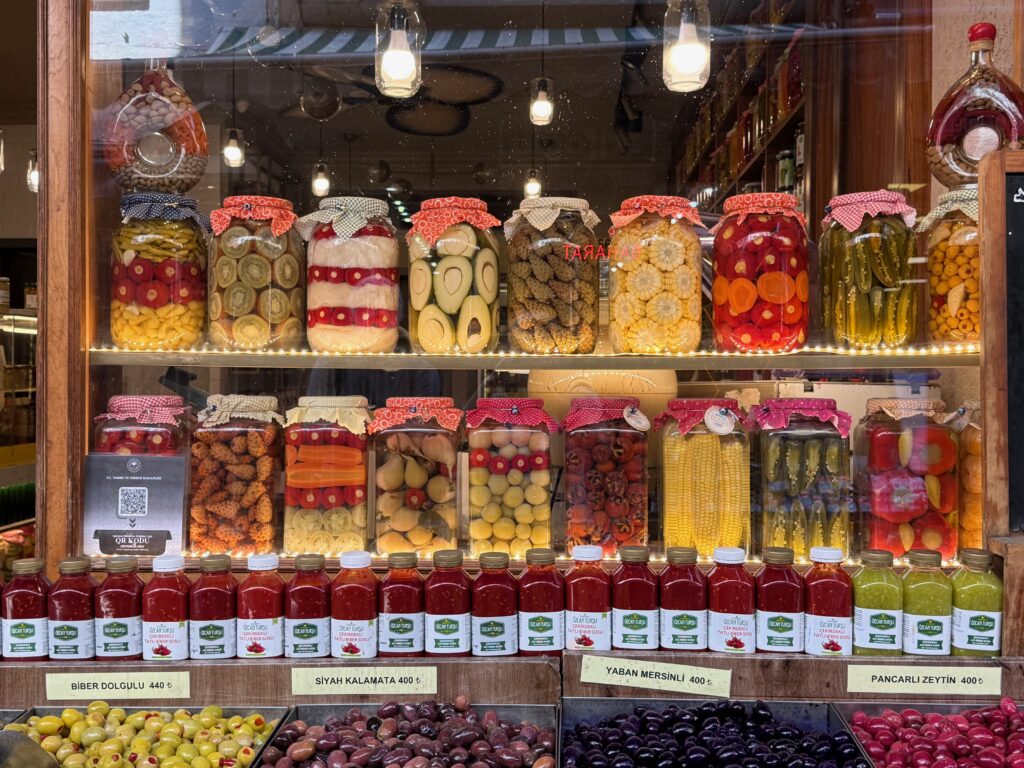
 We found an amazing market close to the water – lots of wonderful produce, fish, meat, cheese, spices, nuts, pastries, plus numerous small eateries. To my amazement, there were around 40 types of olives.
 We walked by the Opera House and checked out a popular tourist attraction, the fighting bull sculpture. This piece of art is one of the 24 animal sculptures from the Ottoman Sultan Abdülaziz’s garden, dating from 1864.
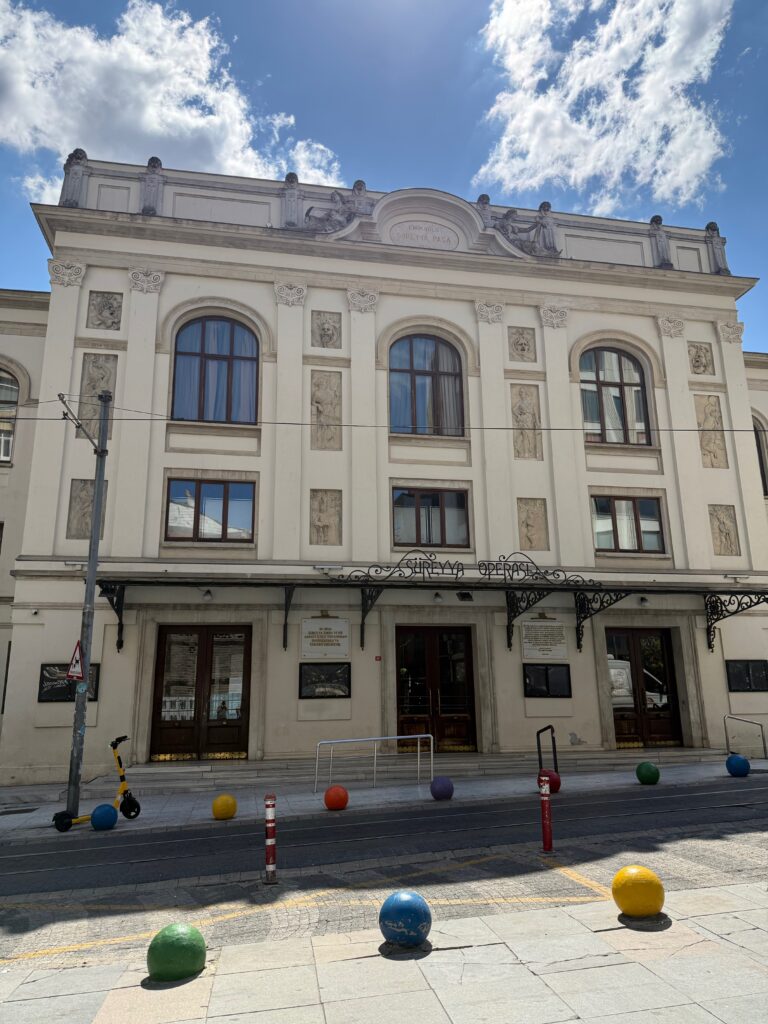
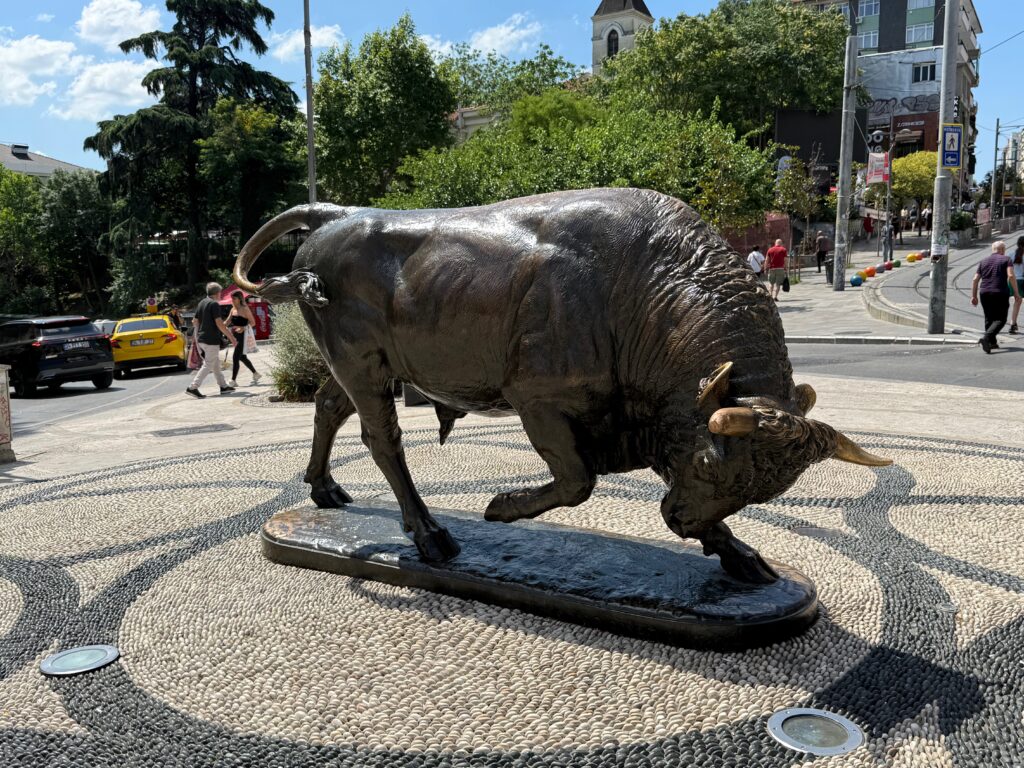 Around noon, we took the ferry back to the European side, and accidentally got off at an earlier stop than what was our intention. This resulted in a walk through the Galata Bridge. (By this way, the recommendation for seeing this famous bridge both night and day was fulfilled!)
The afternoon was devoted to a visit to the famous Topkapi Palace.
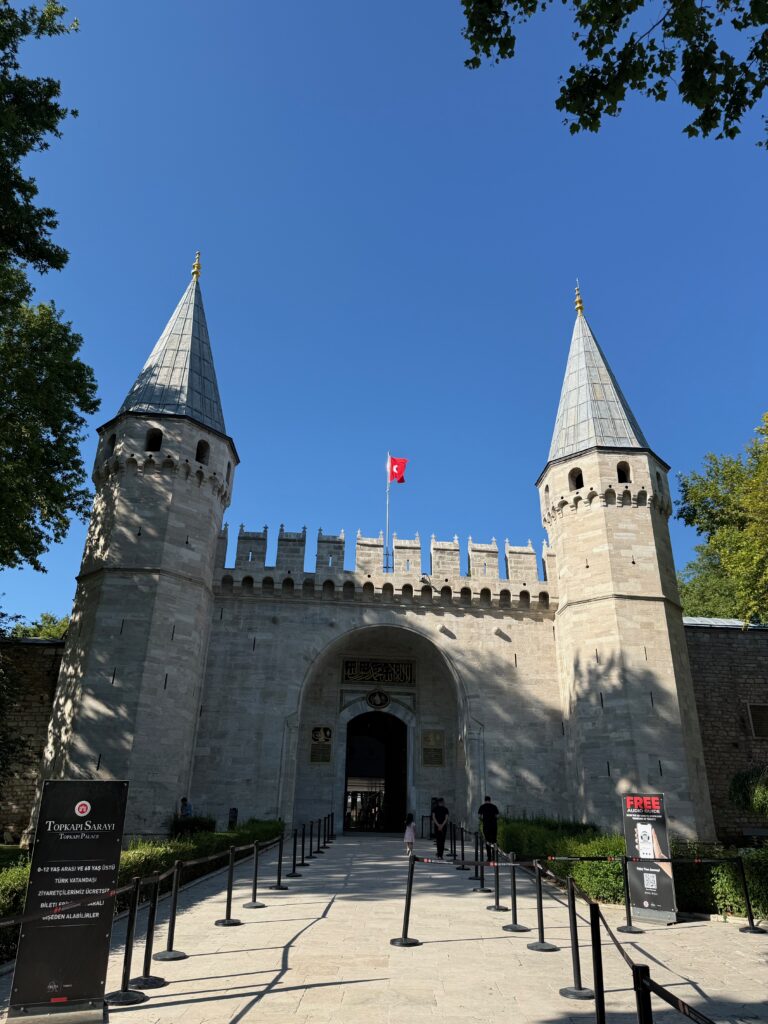 We stood in line for half an hour to buy the entrance tickets, and at 3 pm were finally entering the former residence of the sultans. The palace was built in the late 1400s, and gradually enlarged over the centuries by the reigning sultans, always representing their lifestyles.
For almost 400 years, the Topkapi Palace served as the center of power of the Ottoman Empire.
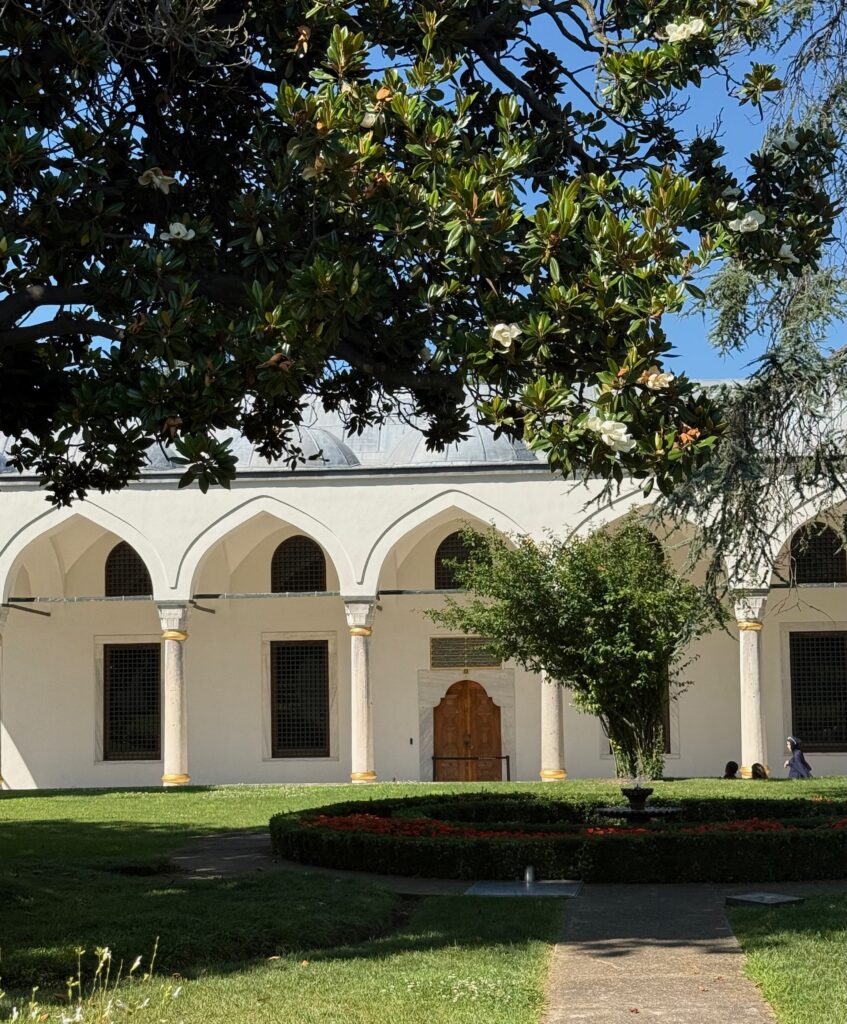
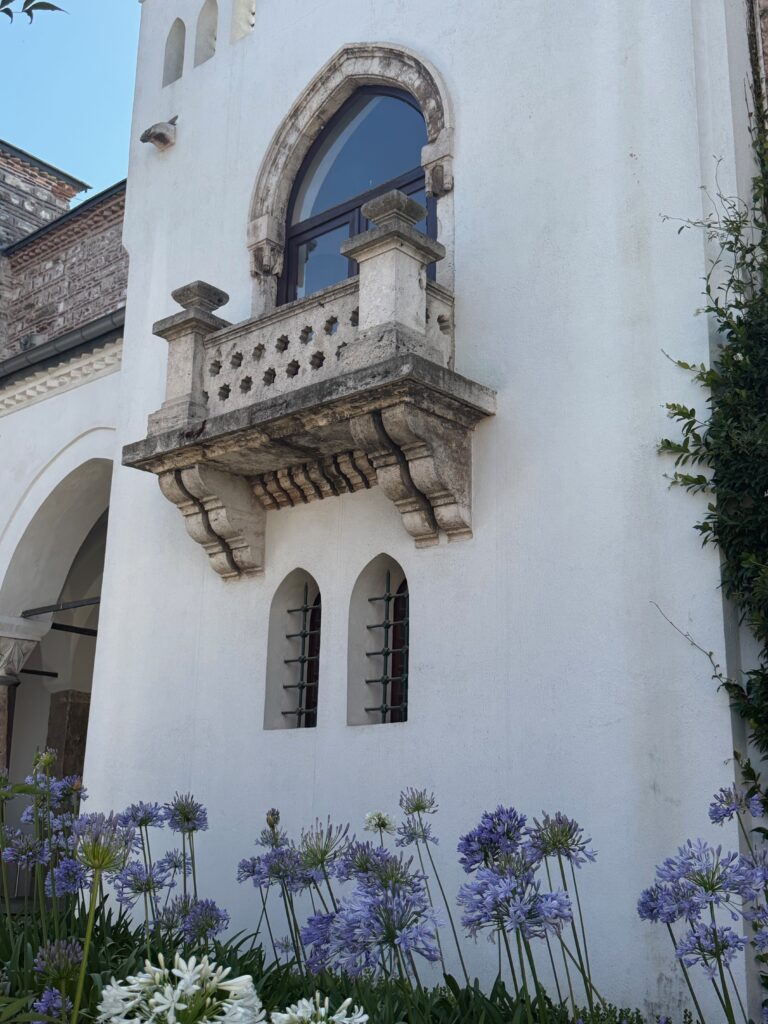
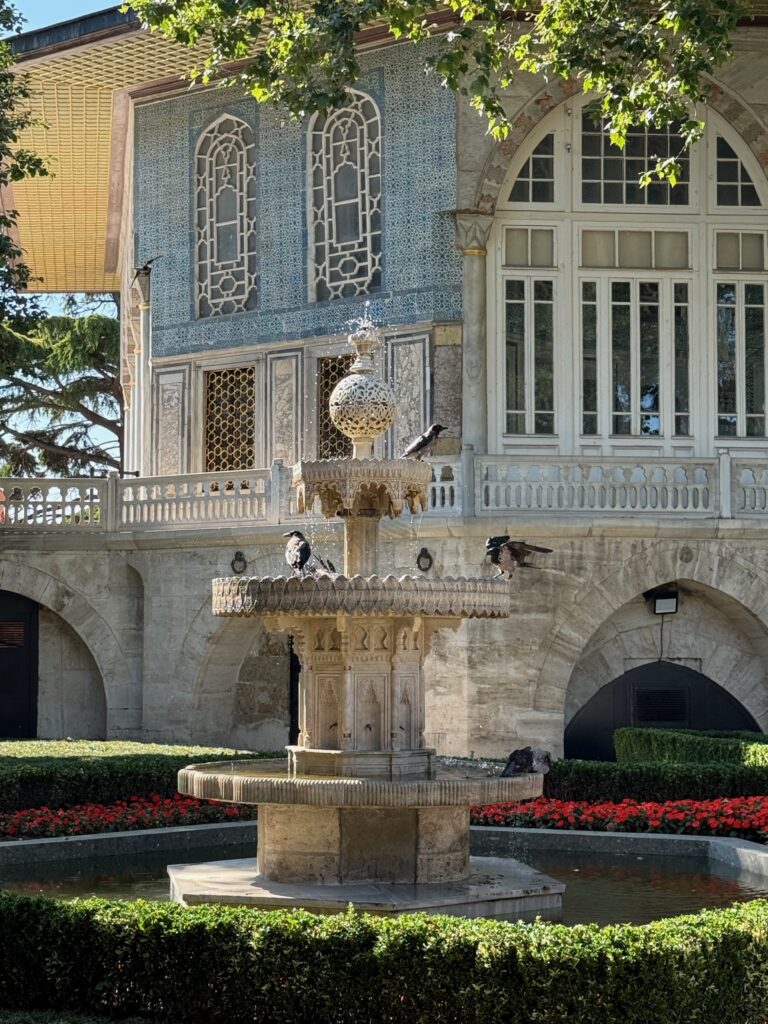
On the premises of the palace, there were buildings in a series of courtyards. After walking through the second courtyard that “served both as the Ottoman Empire’s center of administration and the ceremonial area,” we entered the most private area, the harem.
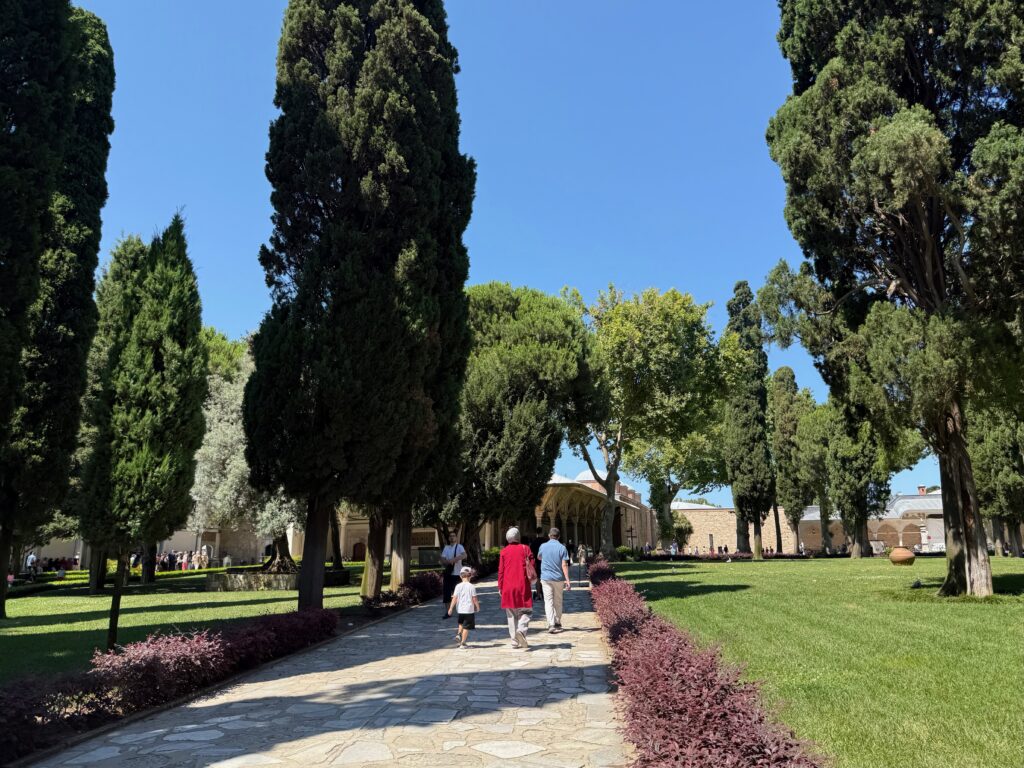
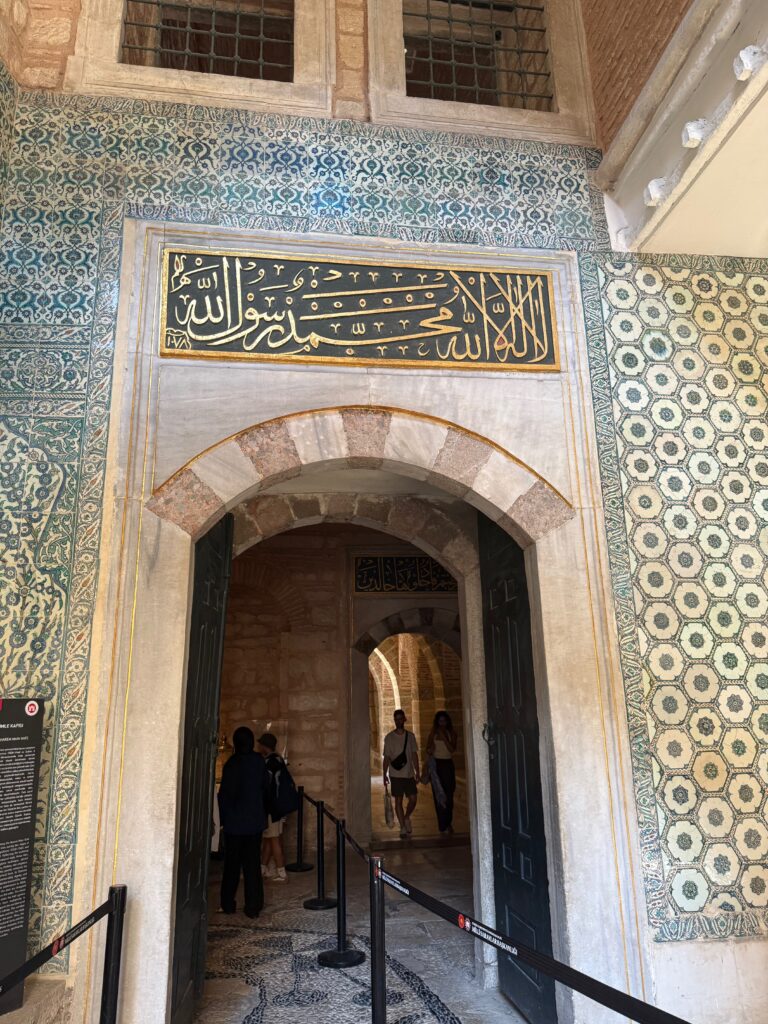 The harem was the section where no one else other than the members of the sultan’s family were allowed to enter (no unrelated male, unless he was a eunuch). The sultans, their mothers, wives, sisters, daughters, princes, and the female servants lived here.
Harem means “something or place that is protected, sacred and venerable.” It was also “the educational institution where women were trained in the Ottoman palace organization.”
We saw the rooms of the black eunuchs, who were the guards for the women of the harem. Sometimes, because of their position, they were able to gain influence and power.
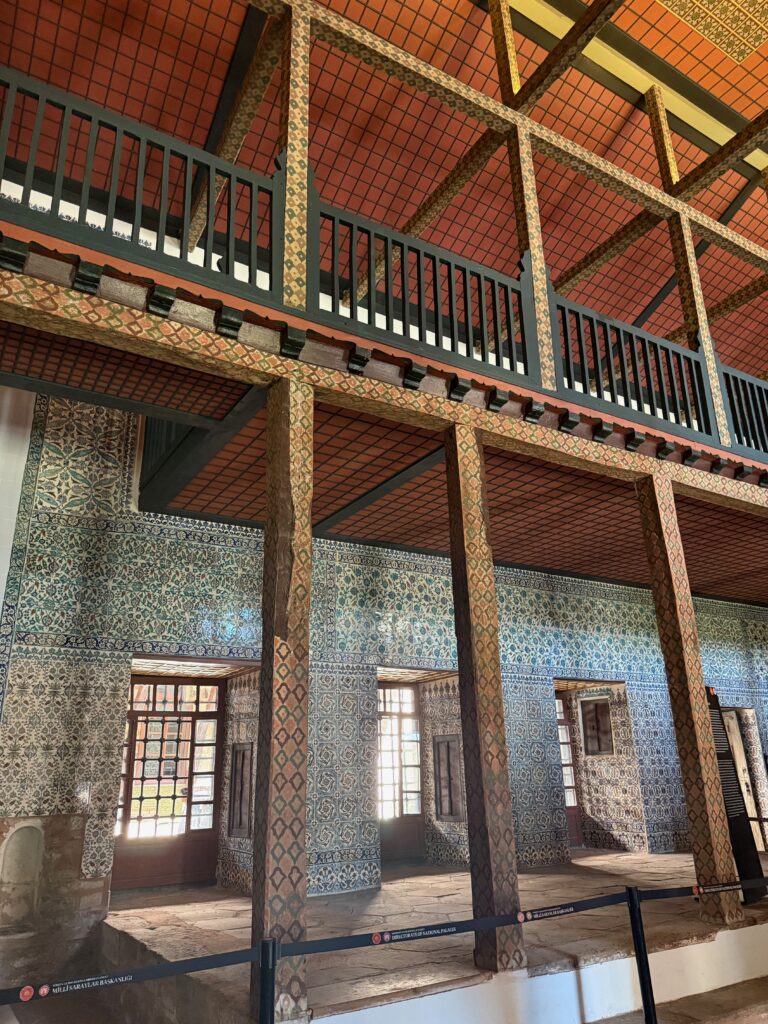 In the harem, there were more than 300 rooms, 9 baths, 2 mosques, a hospital, a laundry, and other service buildings.
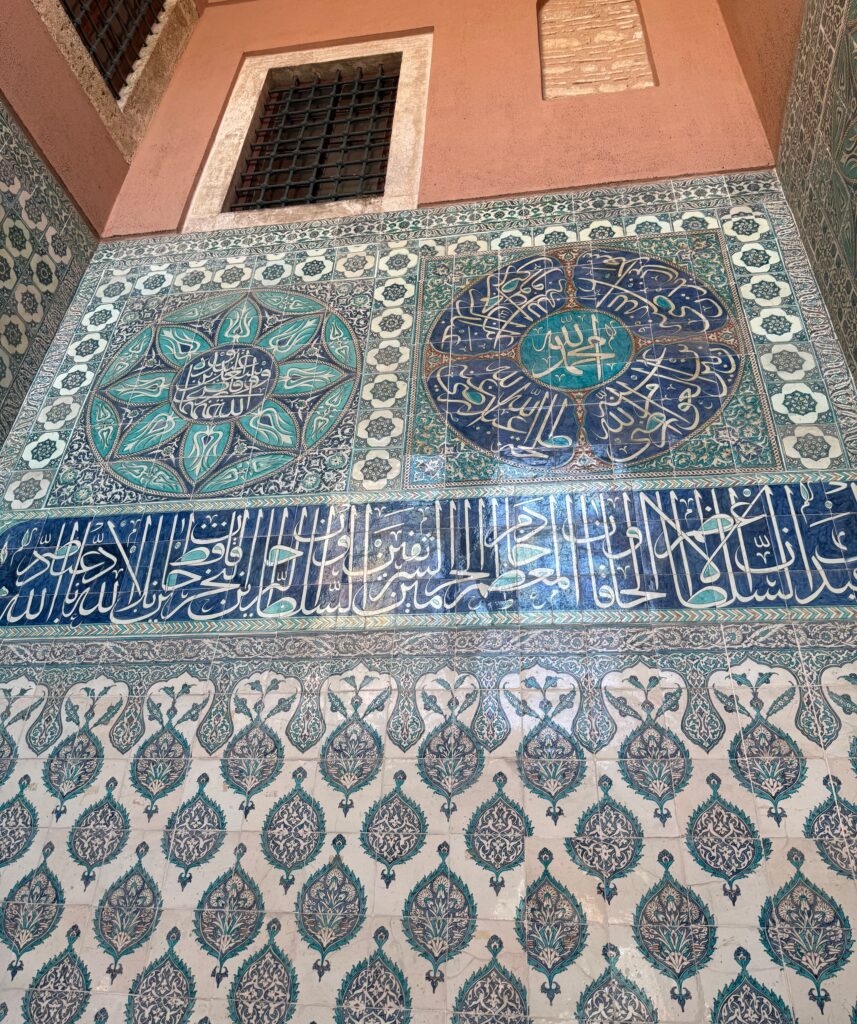
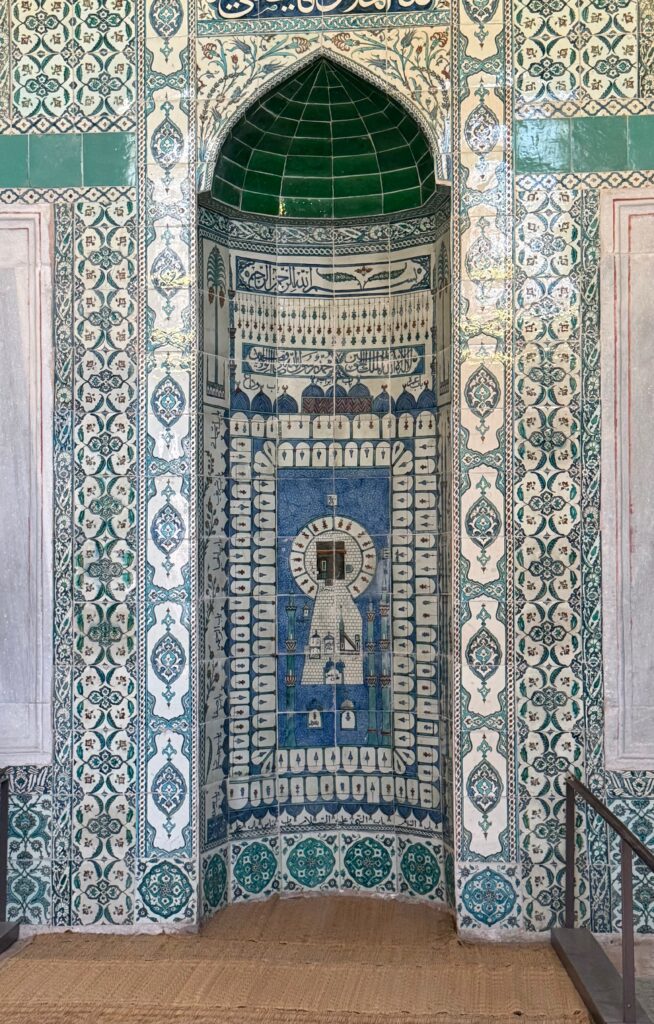
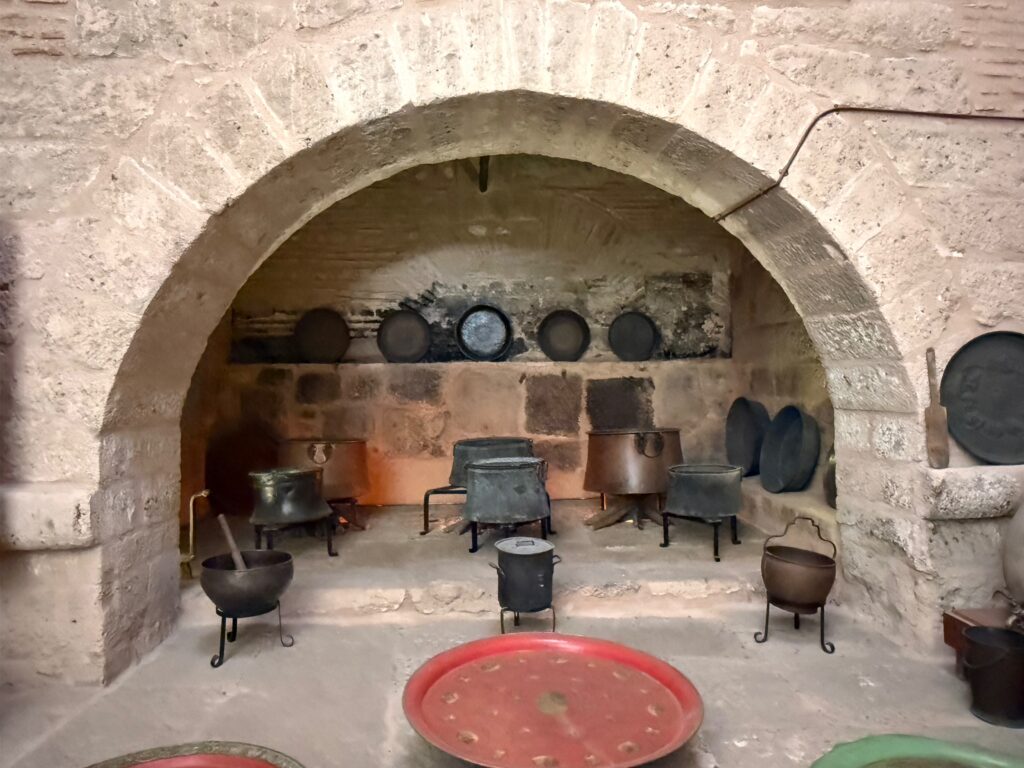
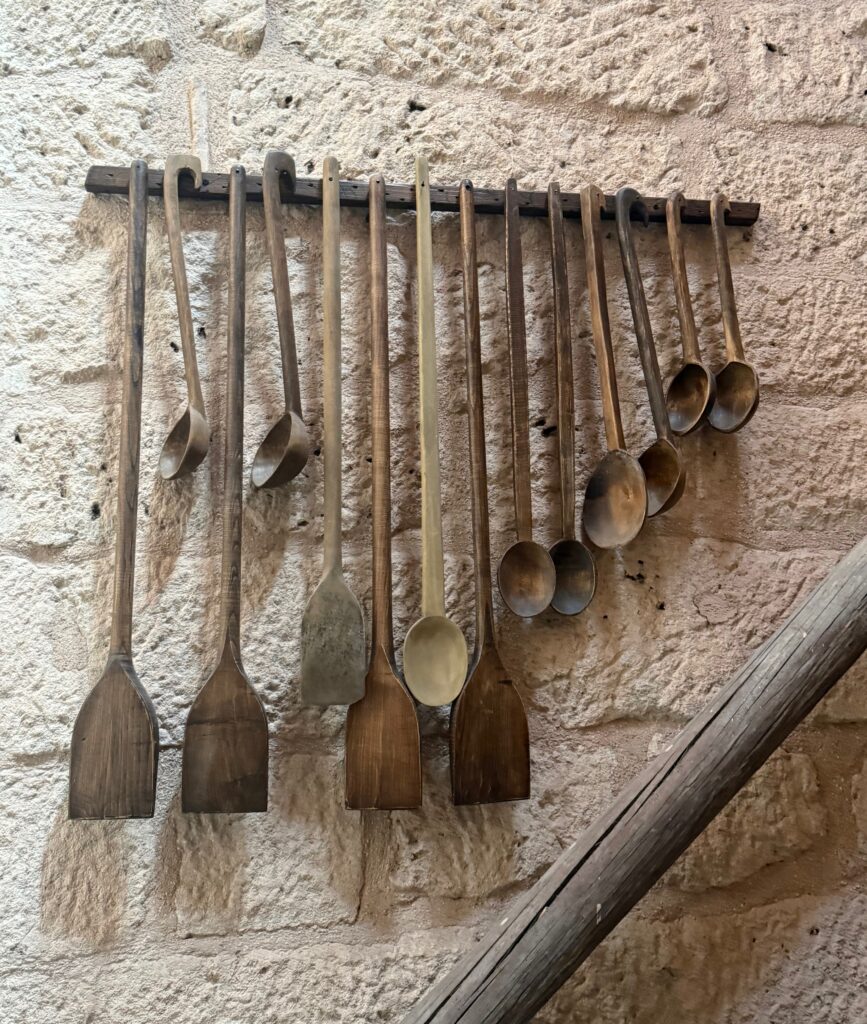 One of the oldest passageways within the palace was the “Grand Royal Ride” path. This narrow and sloping path allowed the sultans to get in and out of the palace on horseback.
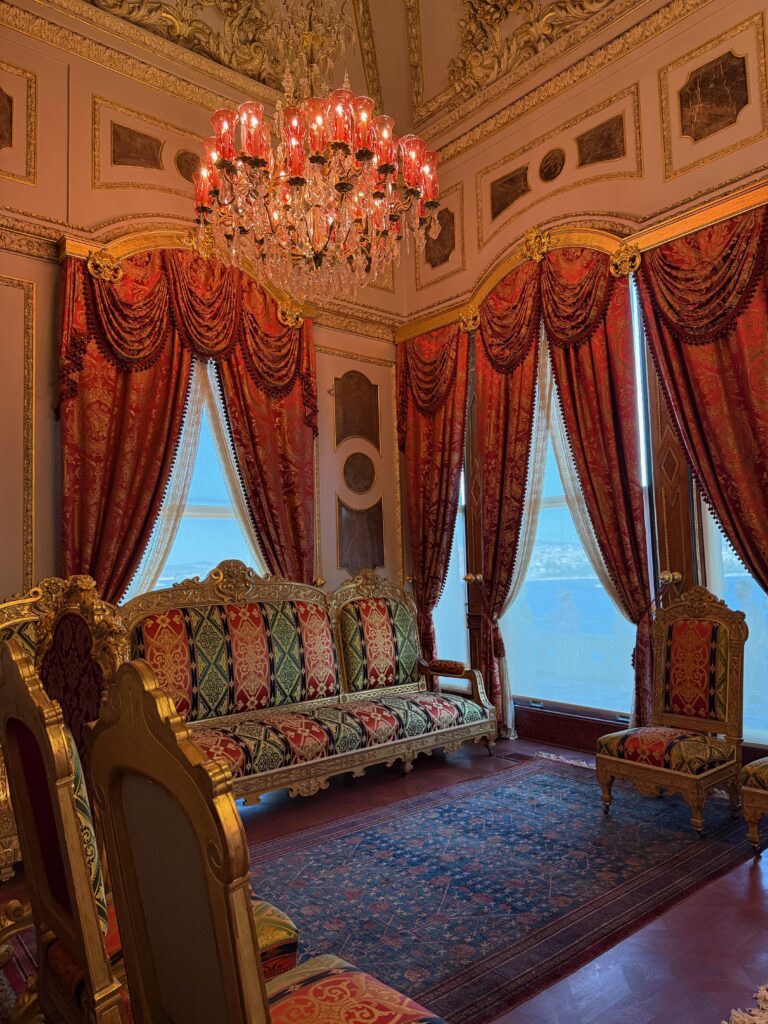
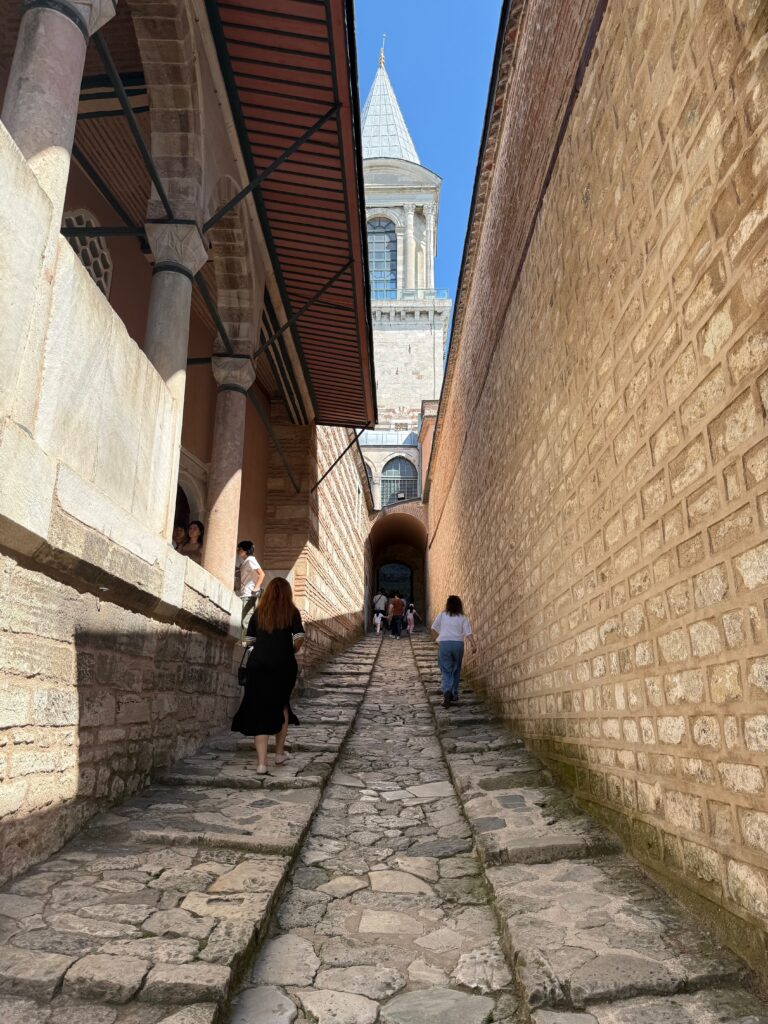 We got closer and closer to the luxurious rooms where the sultan lived with his family in private. There were also separate areas for the sultan’s sons and their families.
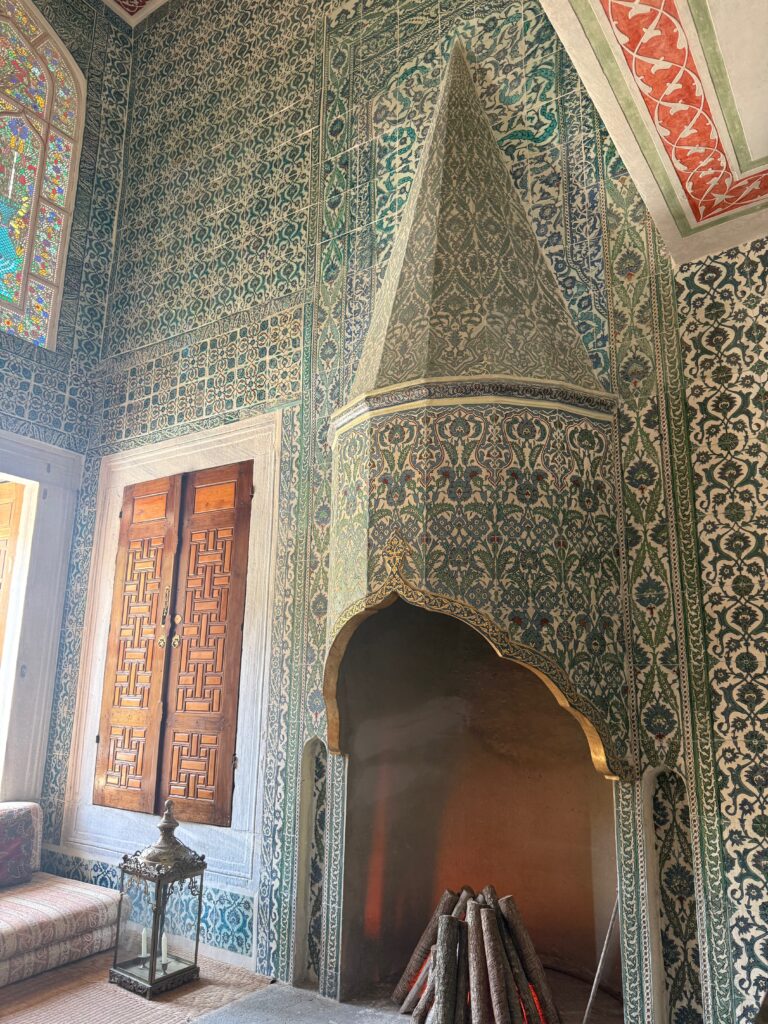
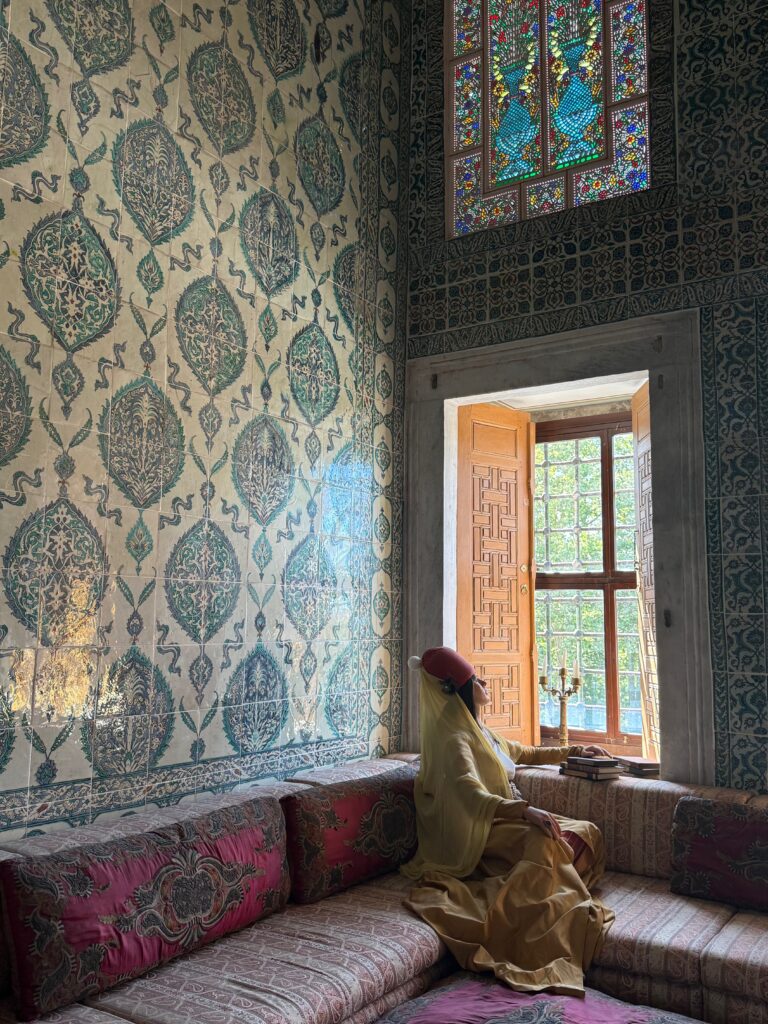 The Queen Mother (the most influential woman of the harem) had her own apartments.
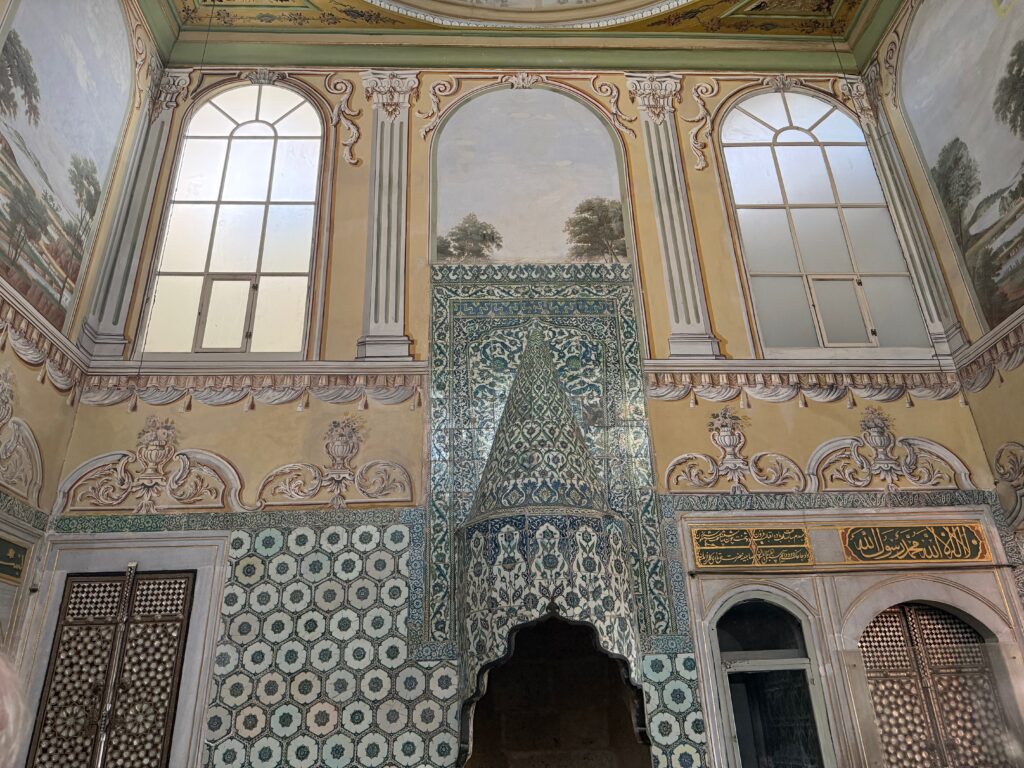
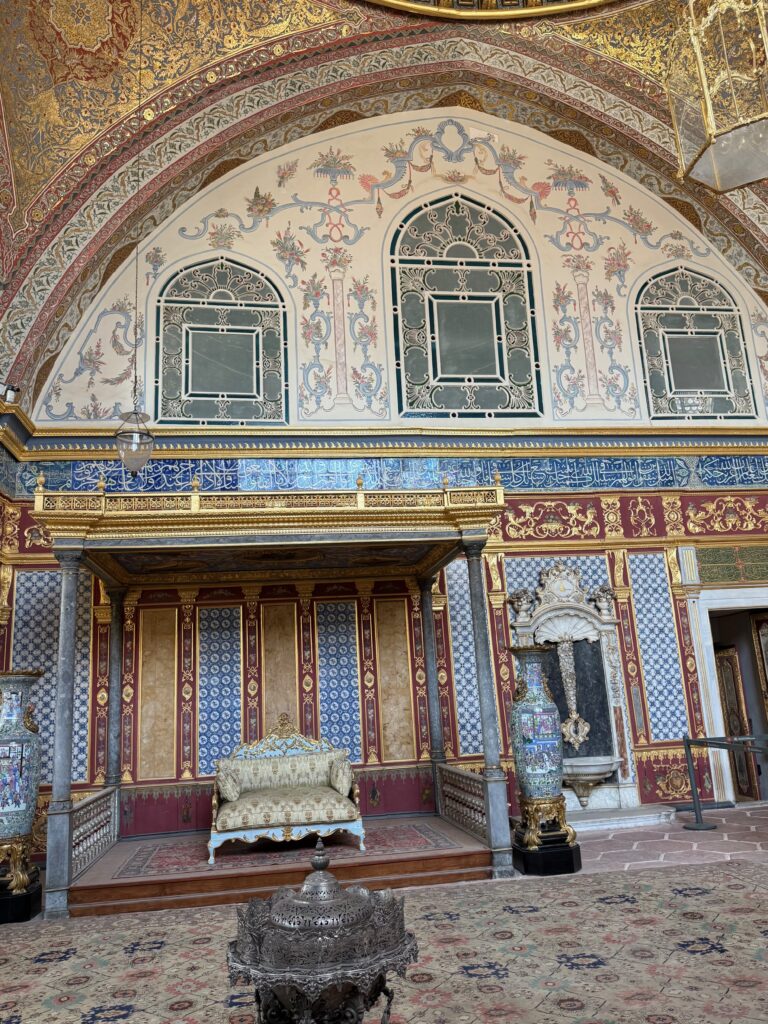 The Imperial Hall was used as the sultan’s ceremonial and reception hall.
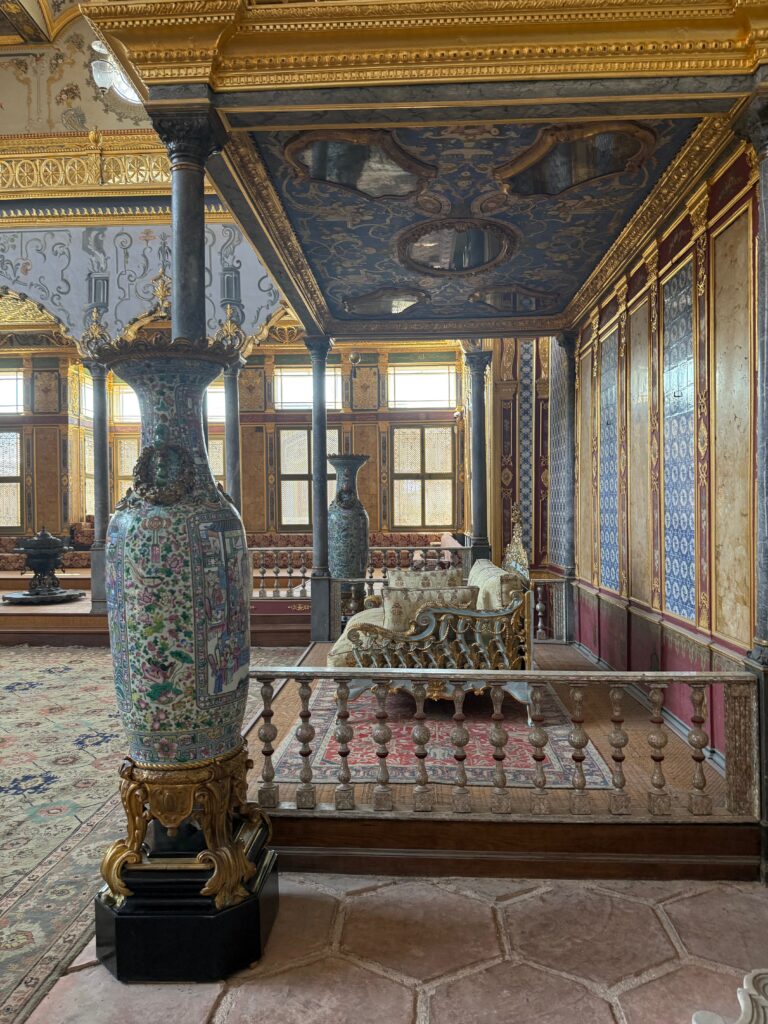
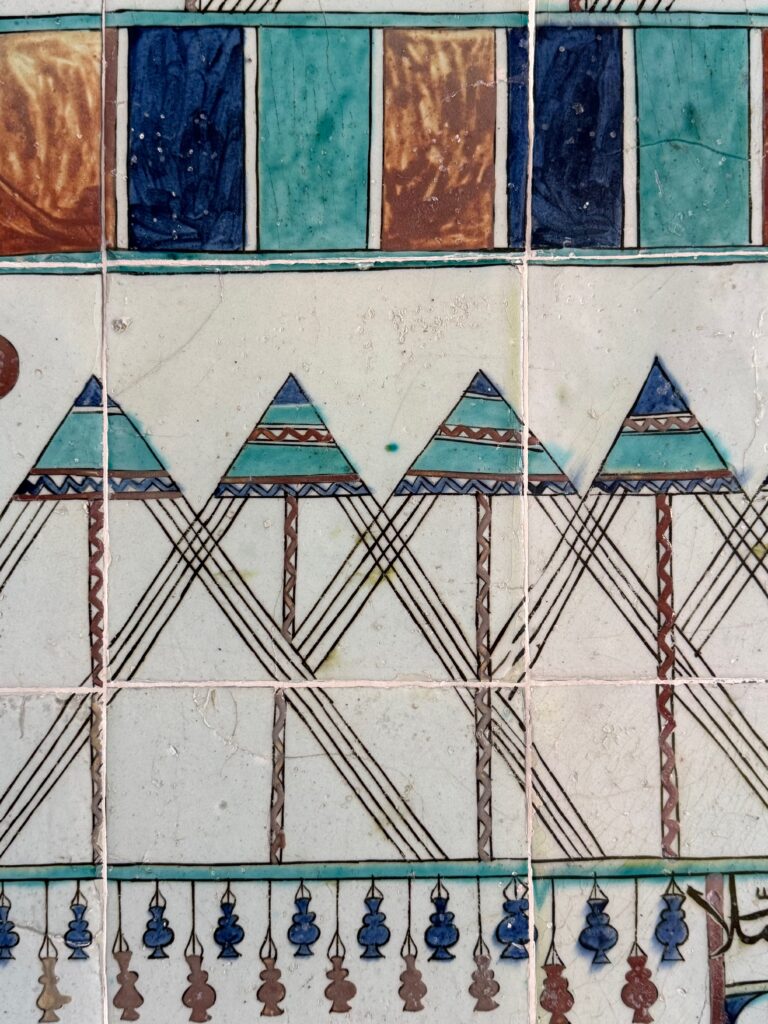
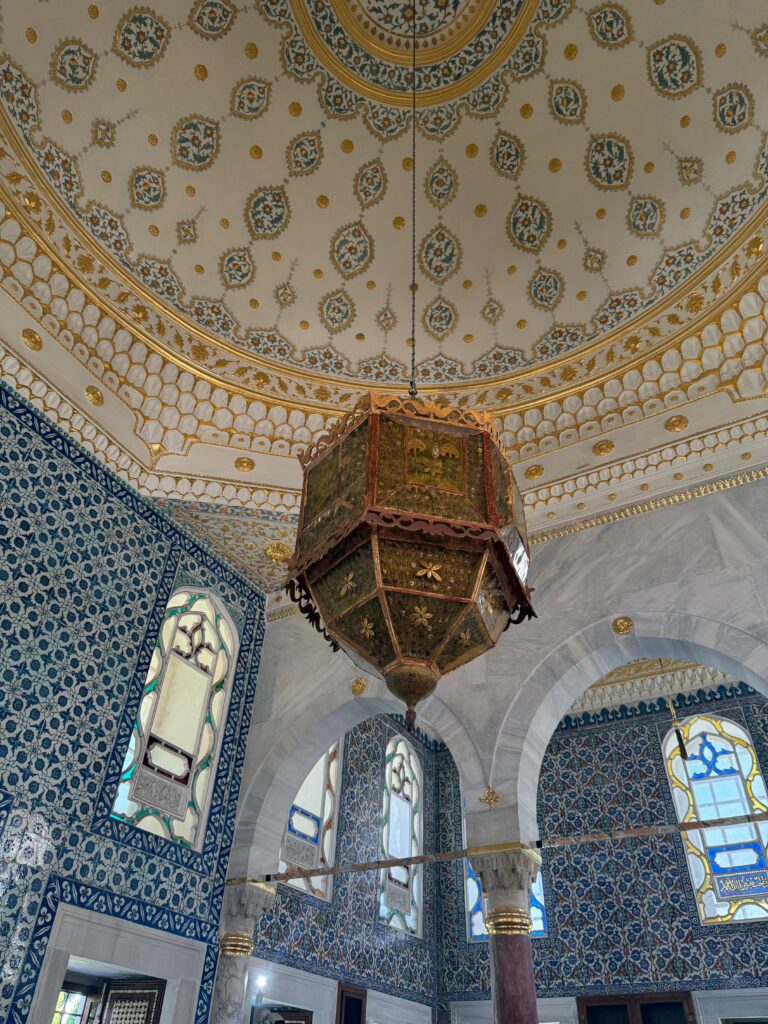
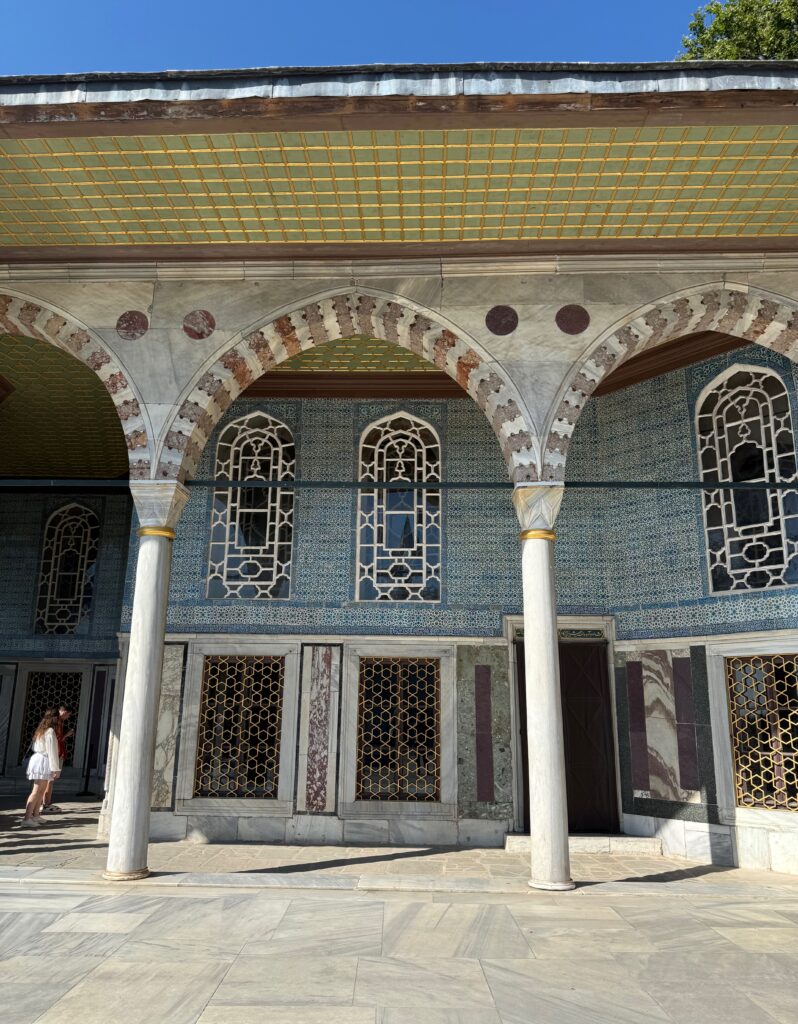
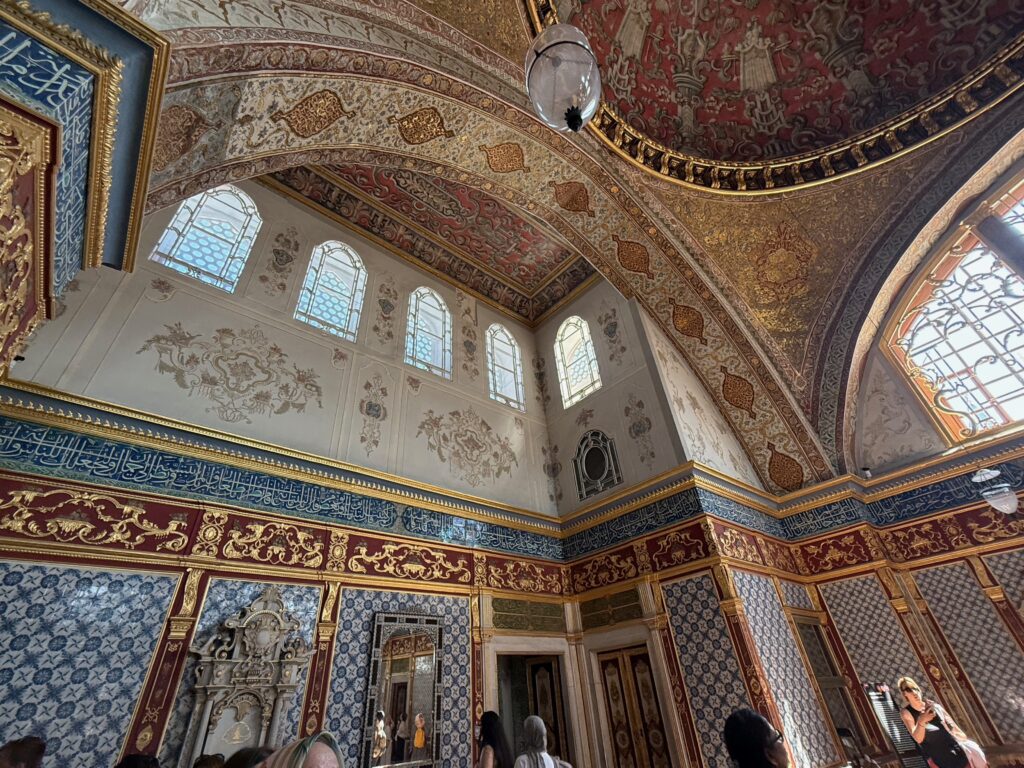 My favorite things in the harem were the magnificent tiles on the walls.
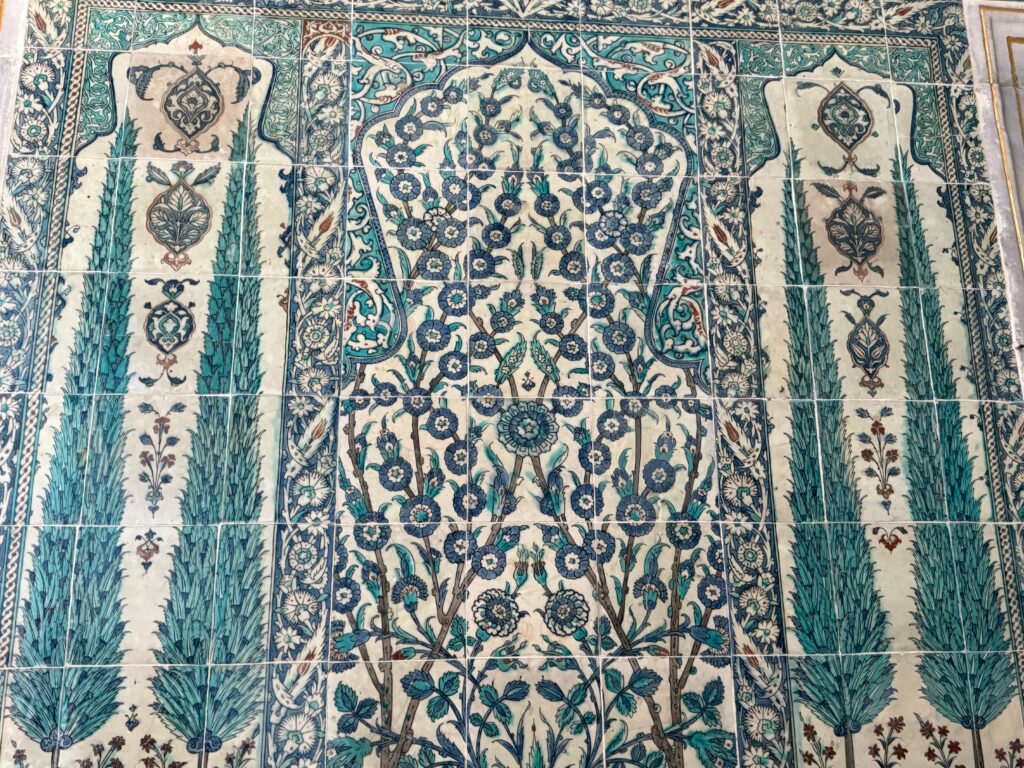
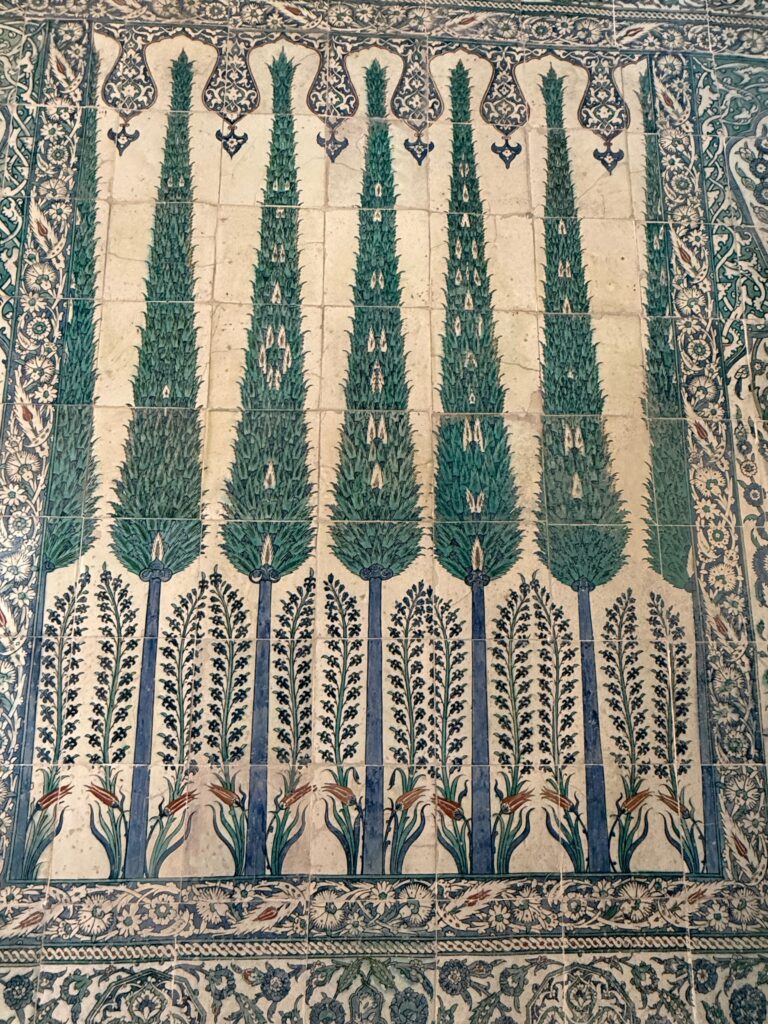
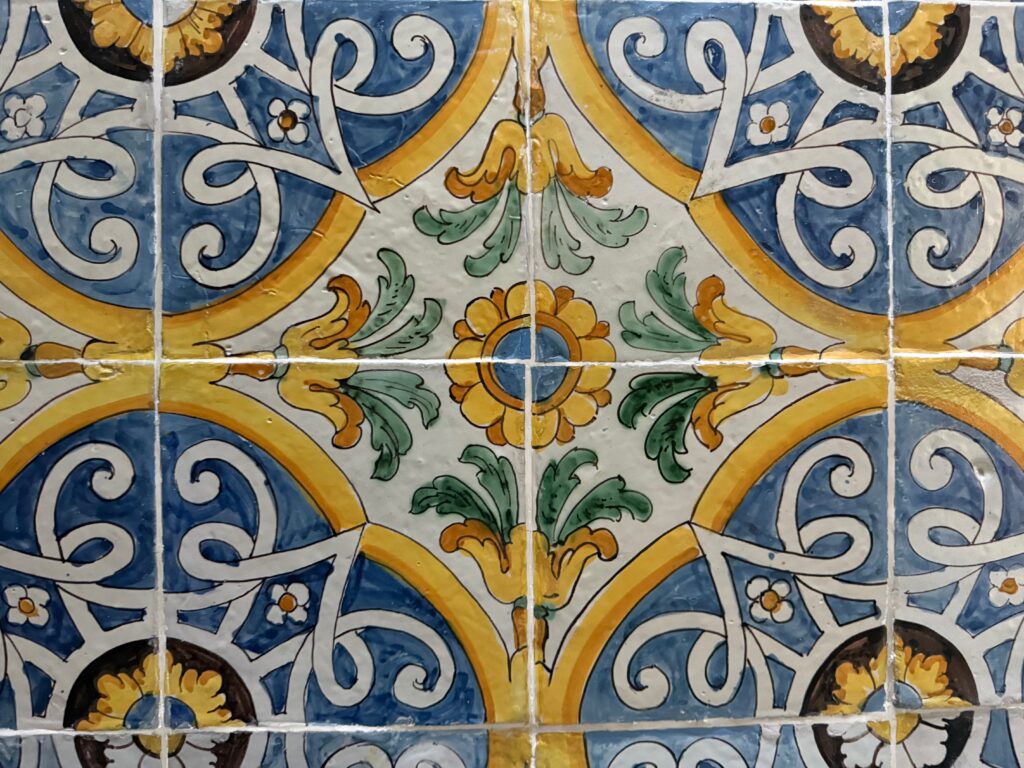
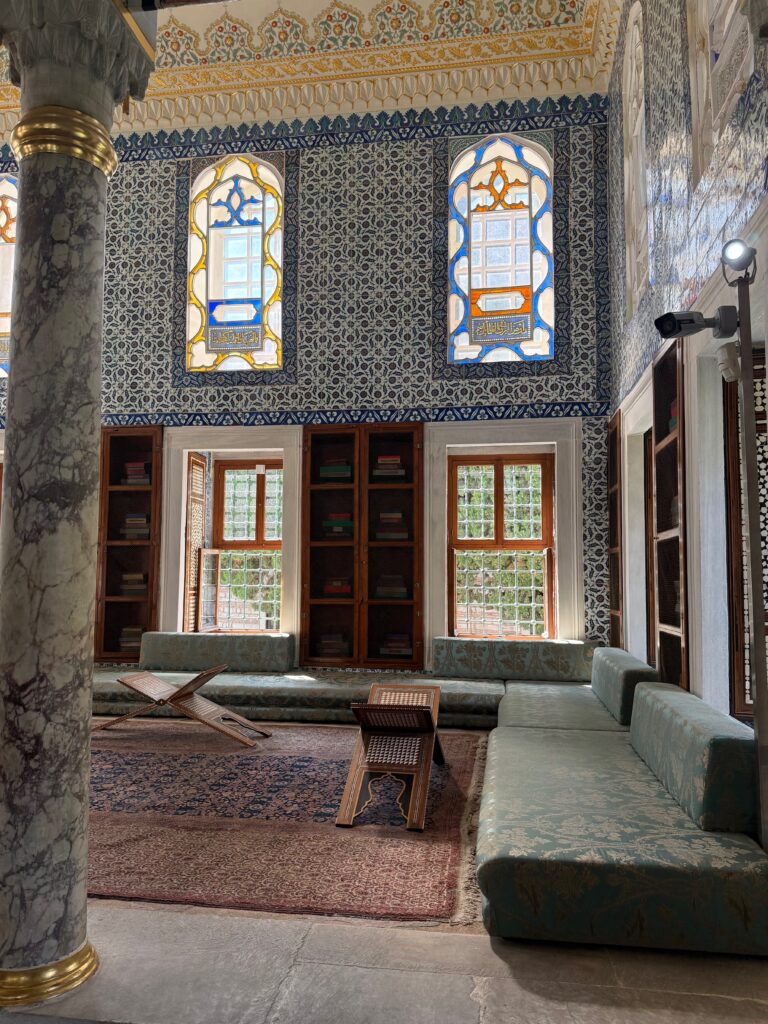
 We also visited the library and a variety of pavilions.
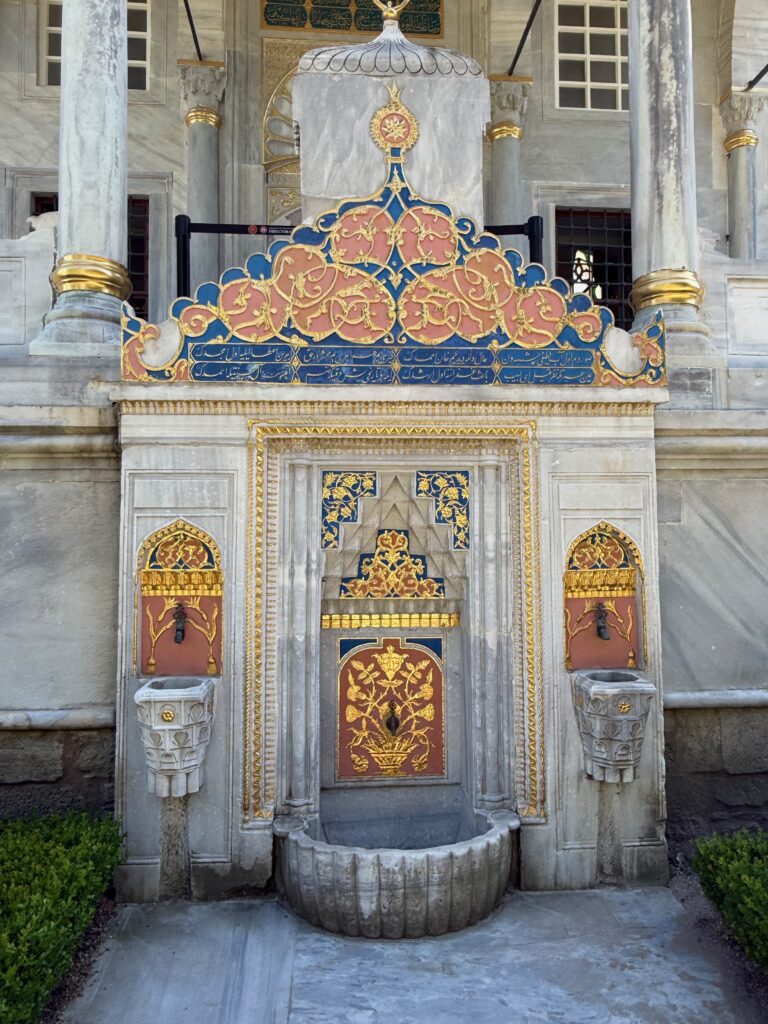 We admired the beautiful jewelry and other astonishing artifacts.
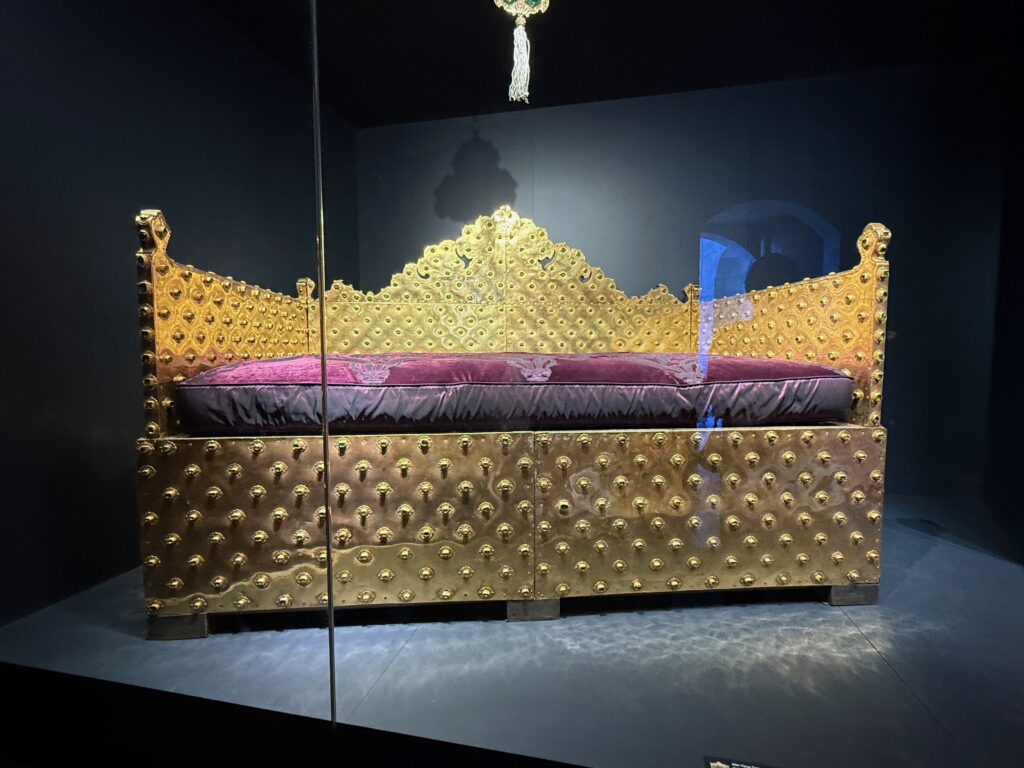
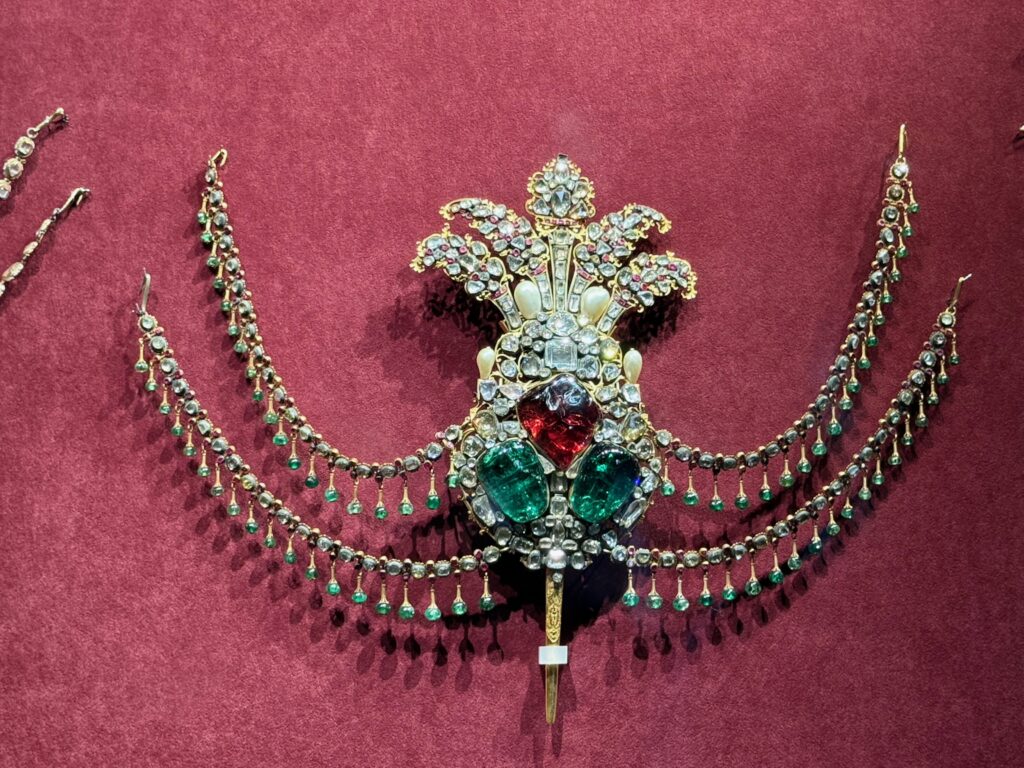
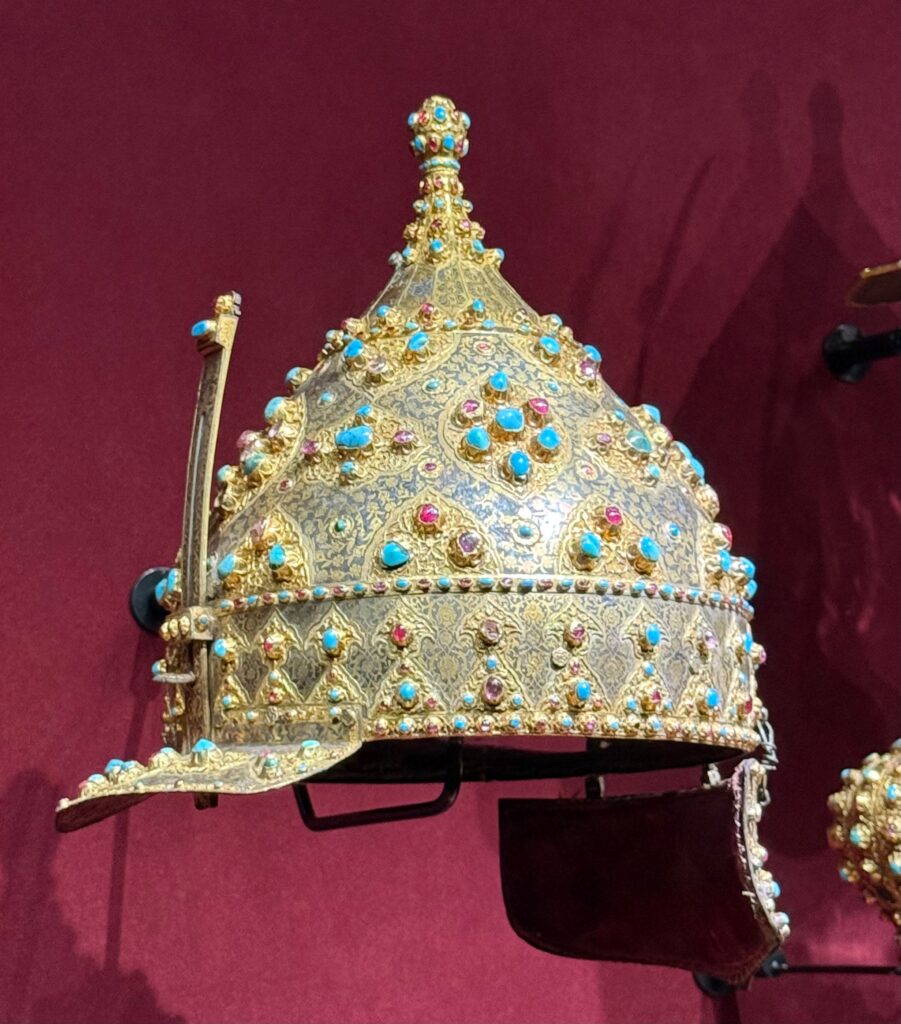
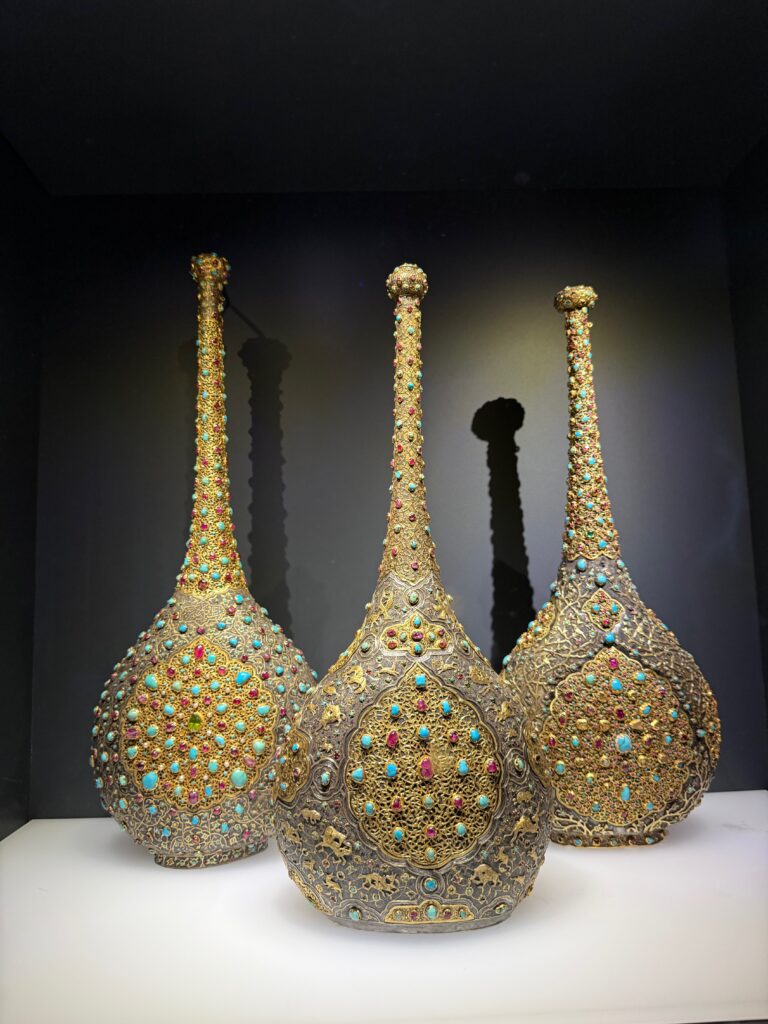 Everything we saw at Topkapi Palace was impressive.
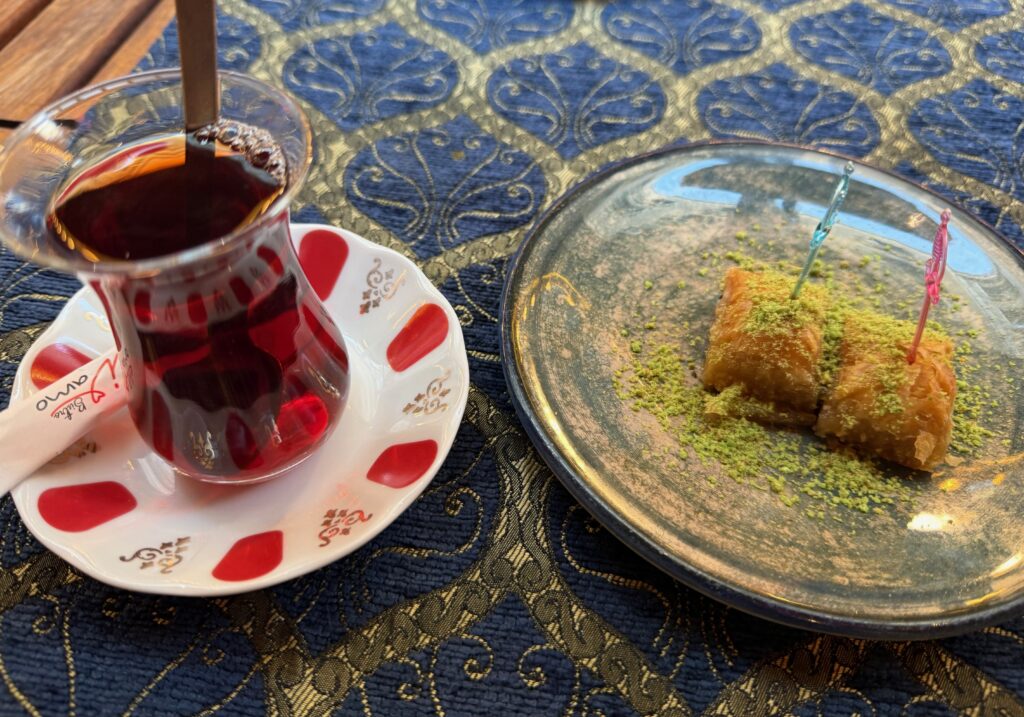
 After the busy day, we had our last dinner in Istanbul, which we ended with Turkish tea and authentic baklava. What remained was to get ready for the next morning’s flight to Budapest.
 We had a wonderful time on this two-week long GEEO trip through Budapest, Romania, Bulgaria, and Istanbul. Even though the trip was over, we knew that our summer adventure would continue in a few days. We were already excited about our upcoming trip throughout the Northern Balkans. Stay tuned for future posts/details about this trip and about the new adventure!


