A long day of traveling in Romania to an enchanting town with cobblestone streets and medieval architecture.
Day 3, Thursday, June 25: Sighişoara
After a good night’s sleep and a filling breakfast at the Balla Géza Winery, at 10:00 am we were on our way to the first major destination of this trip, Sighişoara (in Hungarian: Segesvár).
We traveled in a minibus that pulled a trailer with our luggage in it. The seats on the bus were quite close to each other not giving enough space for our legs – not the most comfortable way to spend five and a half hours (with a few stops for refreshments).
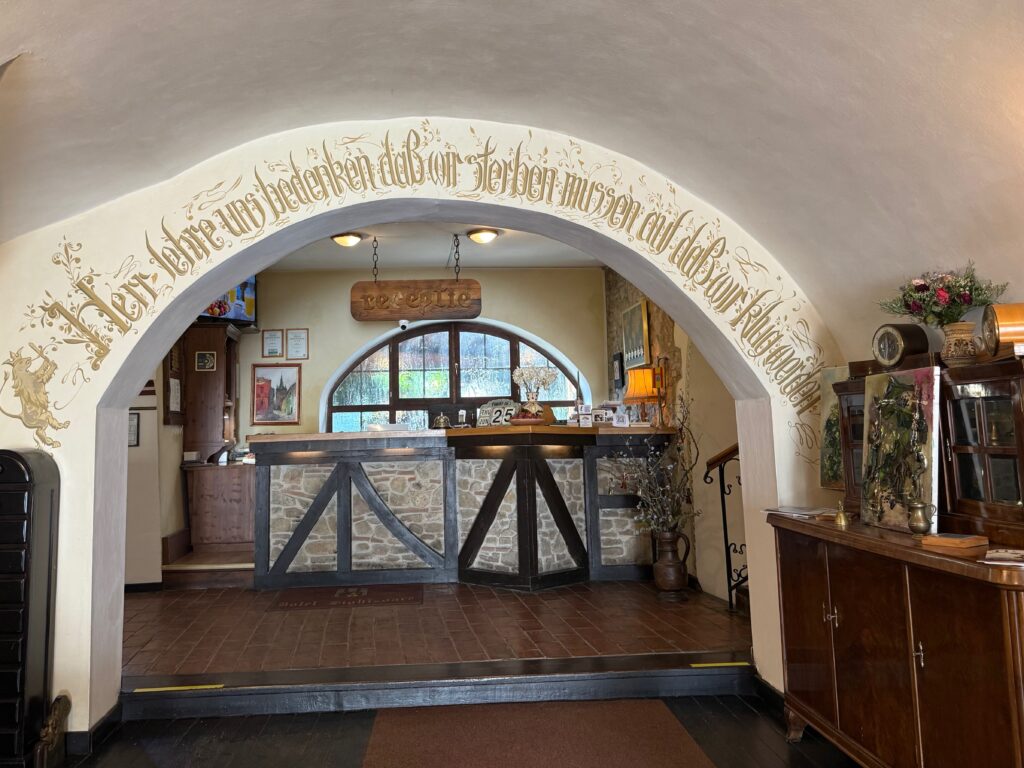
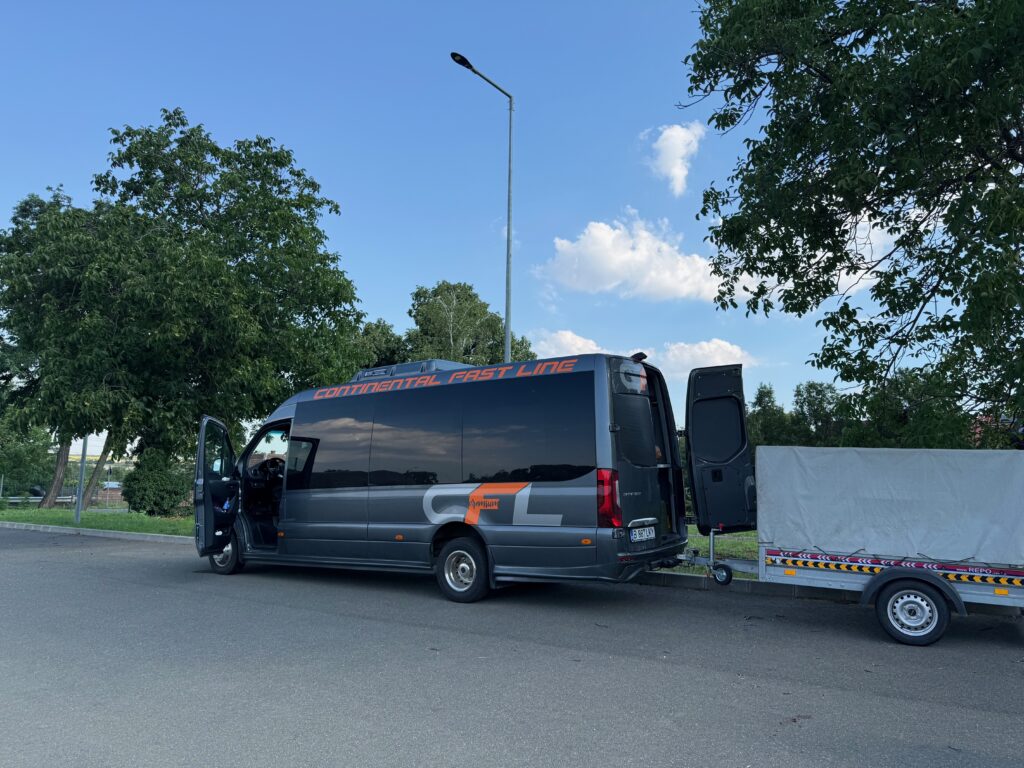 But we arrived safely and in one piece to our destination at 3:30 pm. Checked into our hotel – Hotel Sighişoara – which was located in the historic center of the town, close to the major attractions.
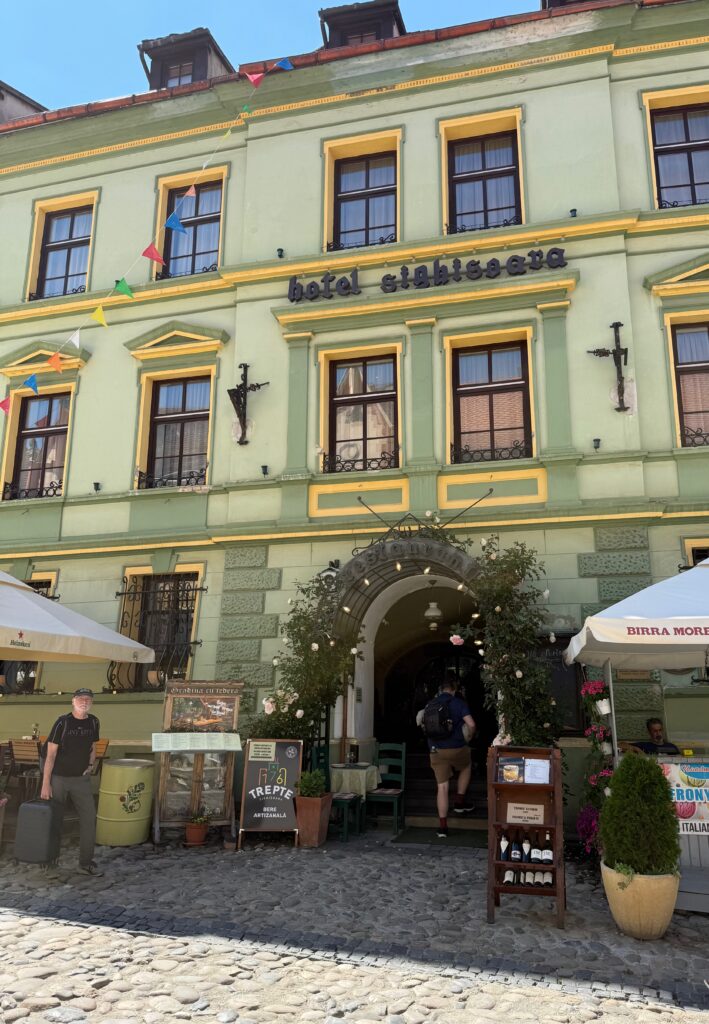
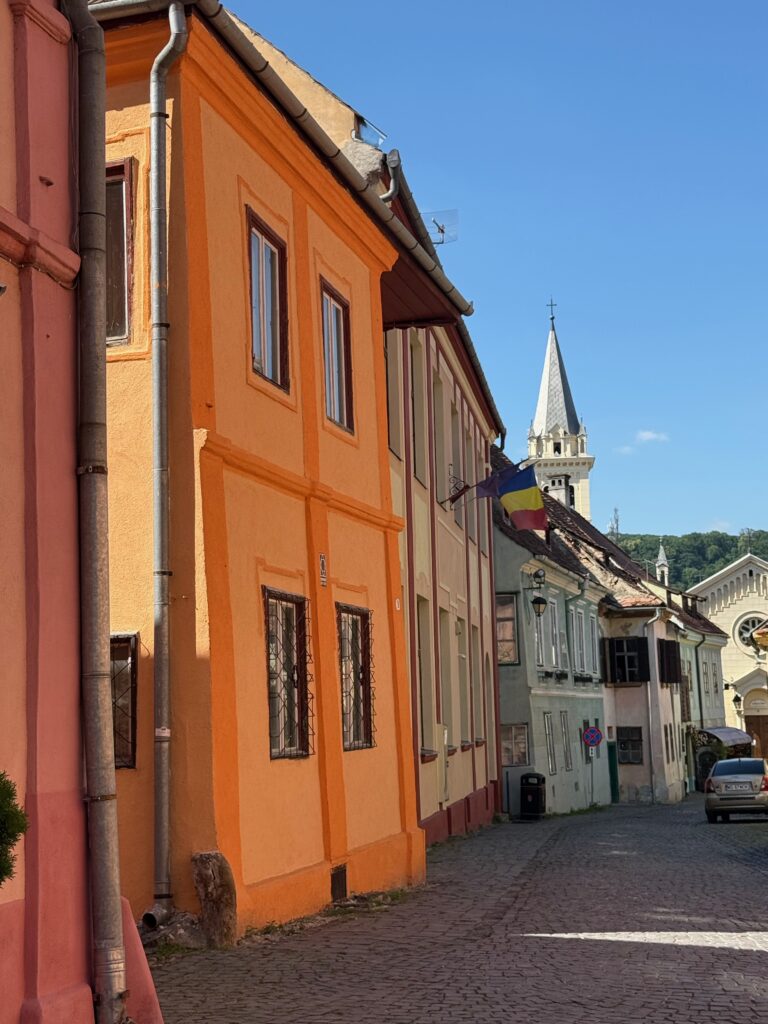
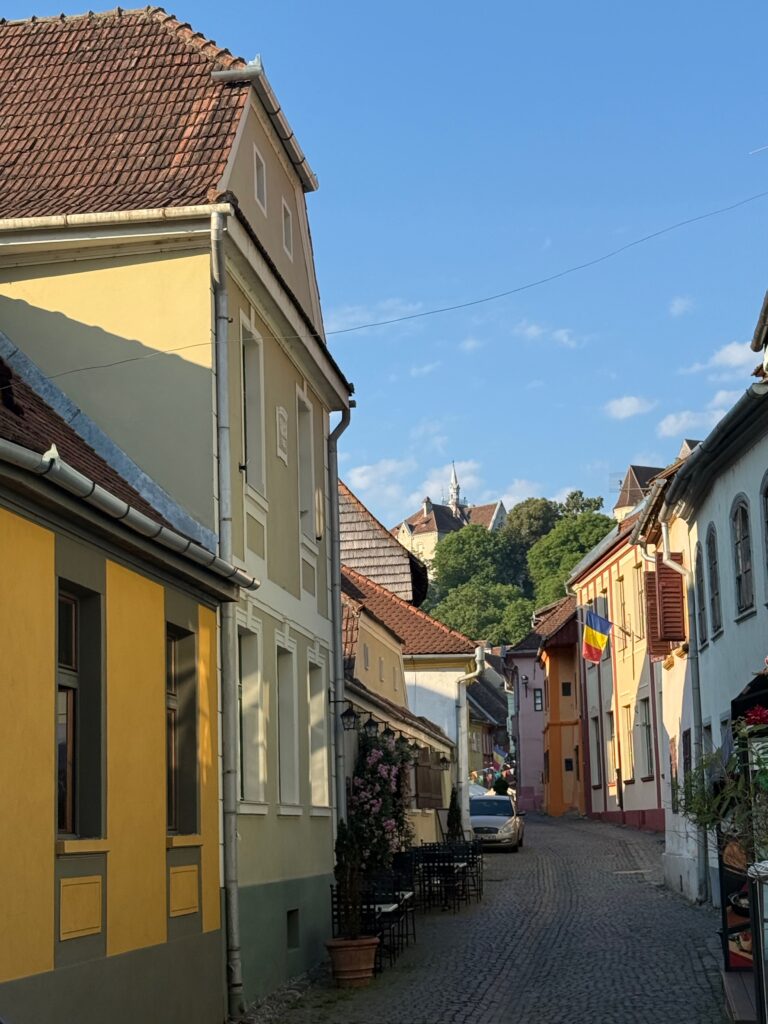
 Sighişoara is a small, fortified medieval town – still inhabited – founded by German merchants and craftsmen known as the Saxons of Transylvania. Its well-preserved old town is a UNESCO World Heritage Site since 1999. During the 16th and 17th centuries there were 15 guilds and 20 handicraft branches here.
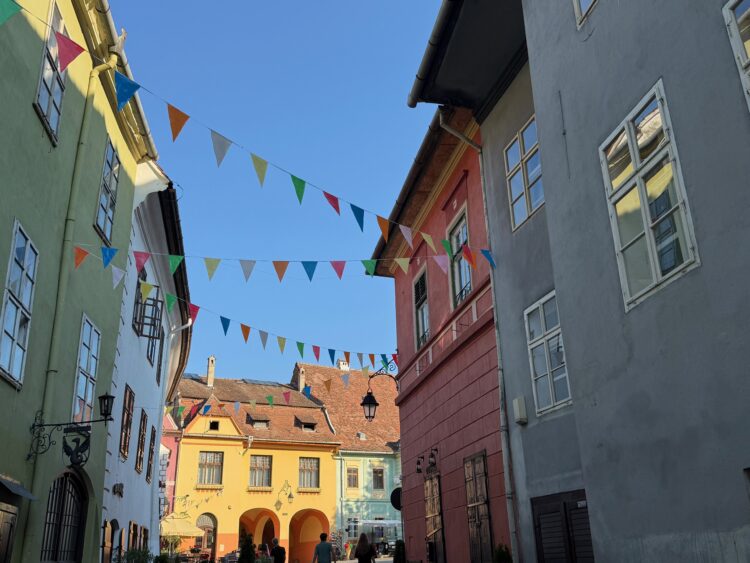
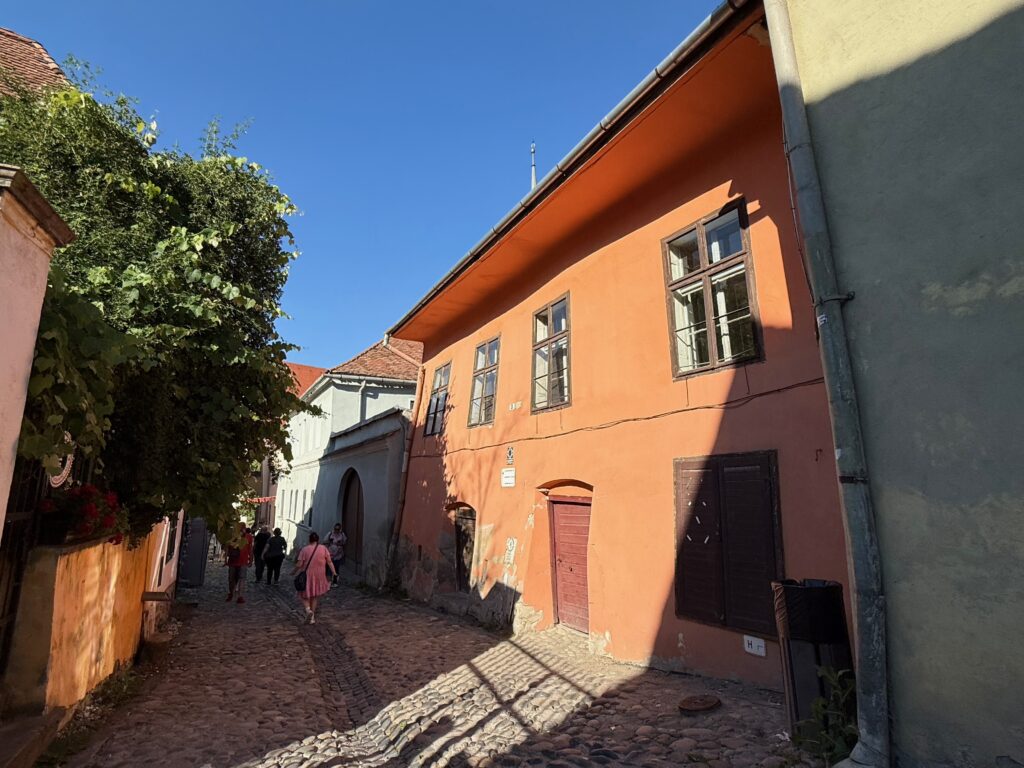
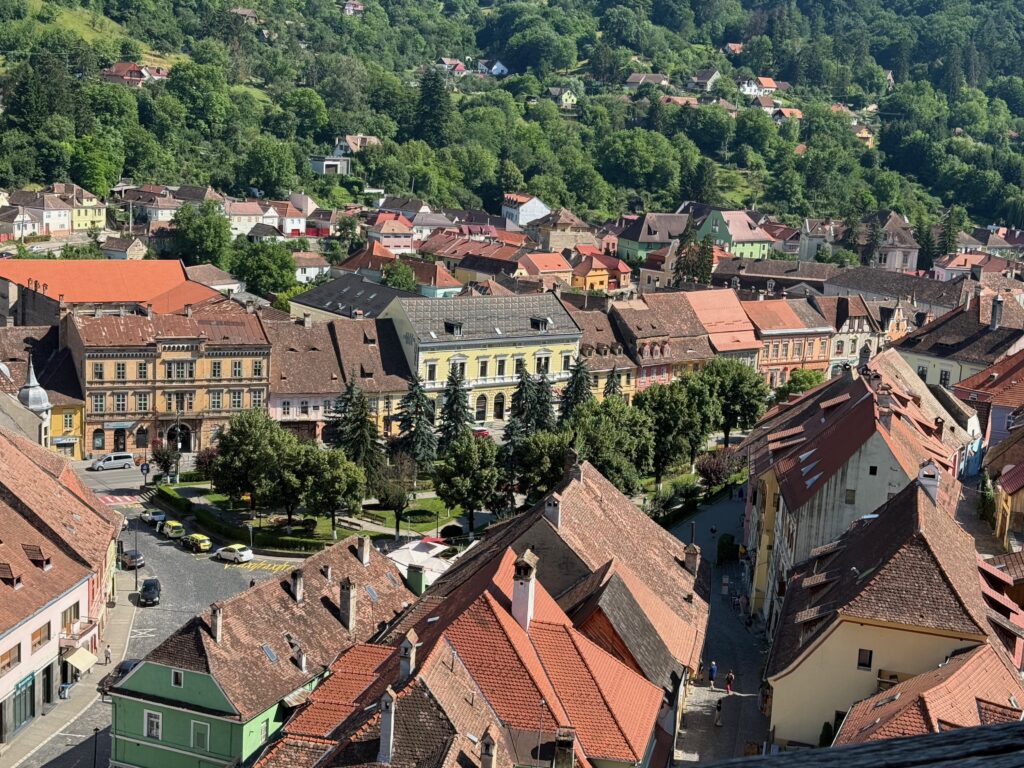 The Citadel Square, in the upper town, it’s where tourists relax in cafes and restaurants. A lovely place with colorful houses; it was the center of the community for hundreds of years.
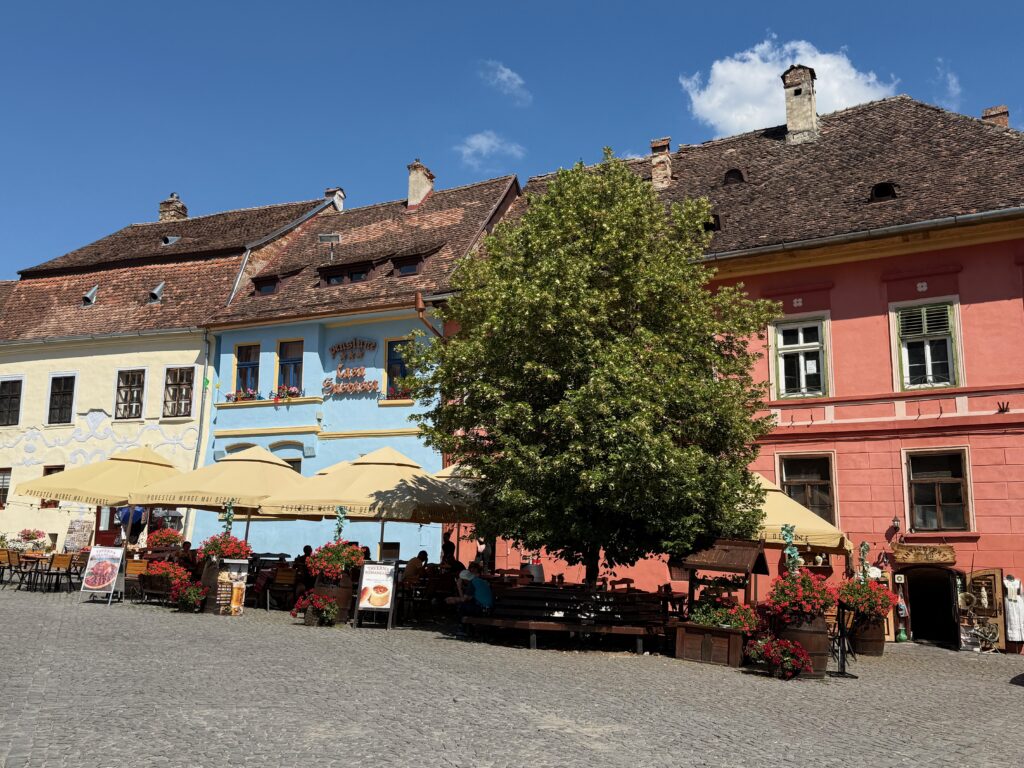
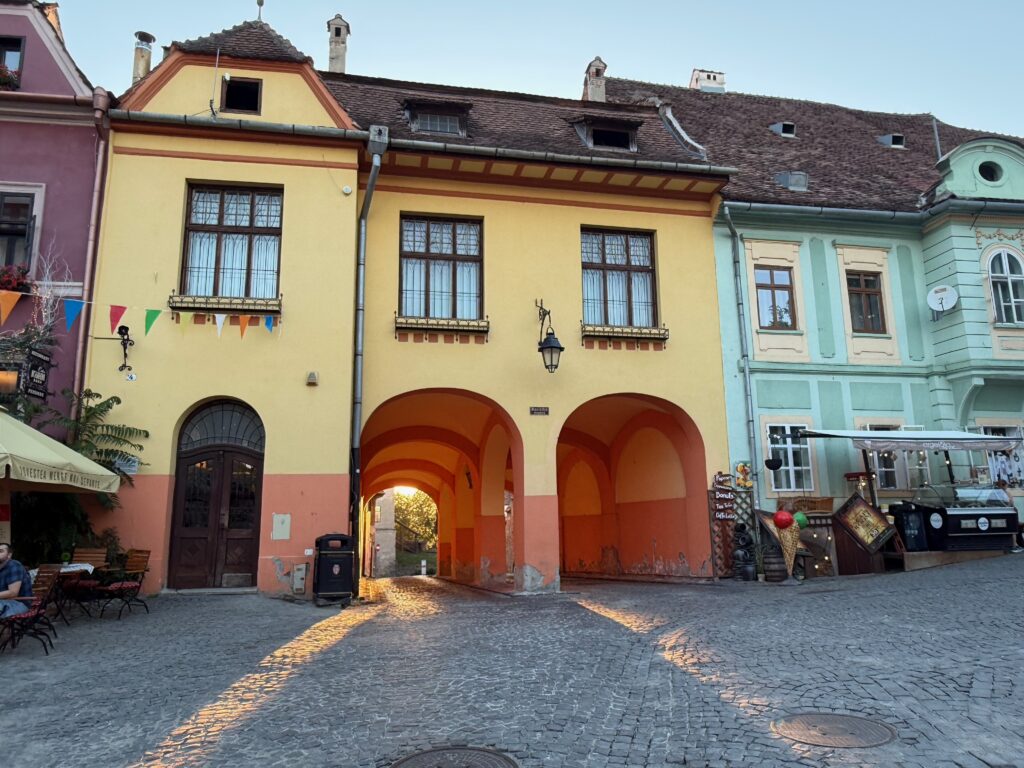
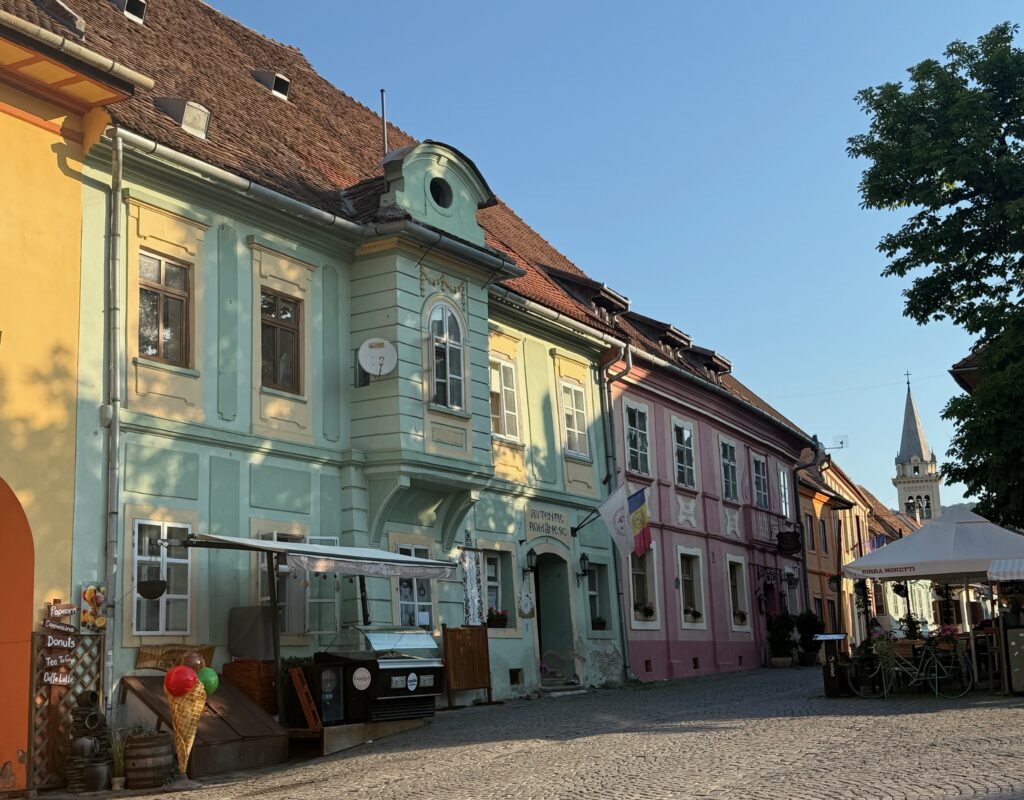
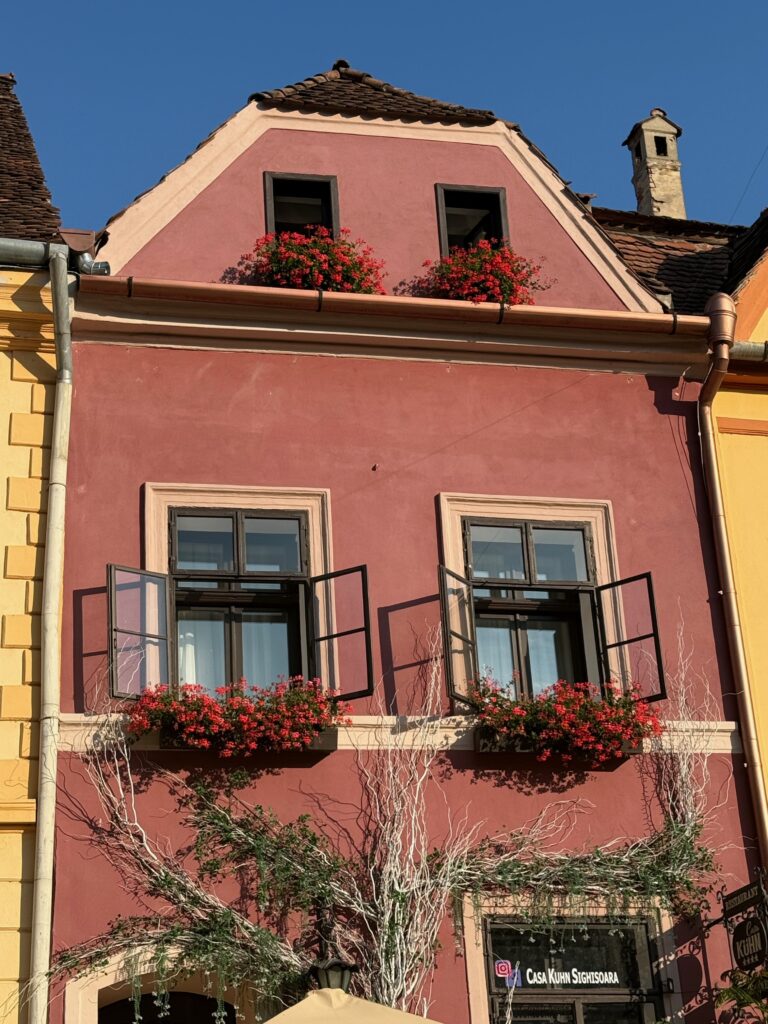 One of the main points of interest nearby is the Clock Tower. This 65 meters high tower was built in the second half of the 14th century and expanded in the 16th century. There was a fire in 1676, and during the rebuilding process colorful tiles were added to the roof in the late 19th century.
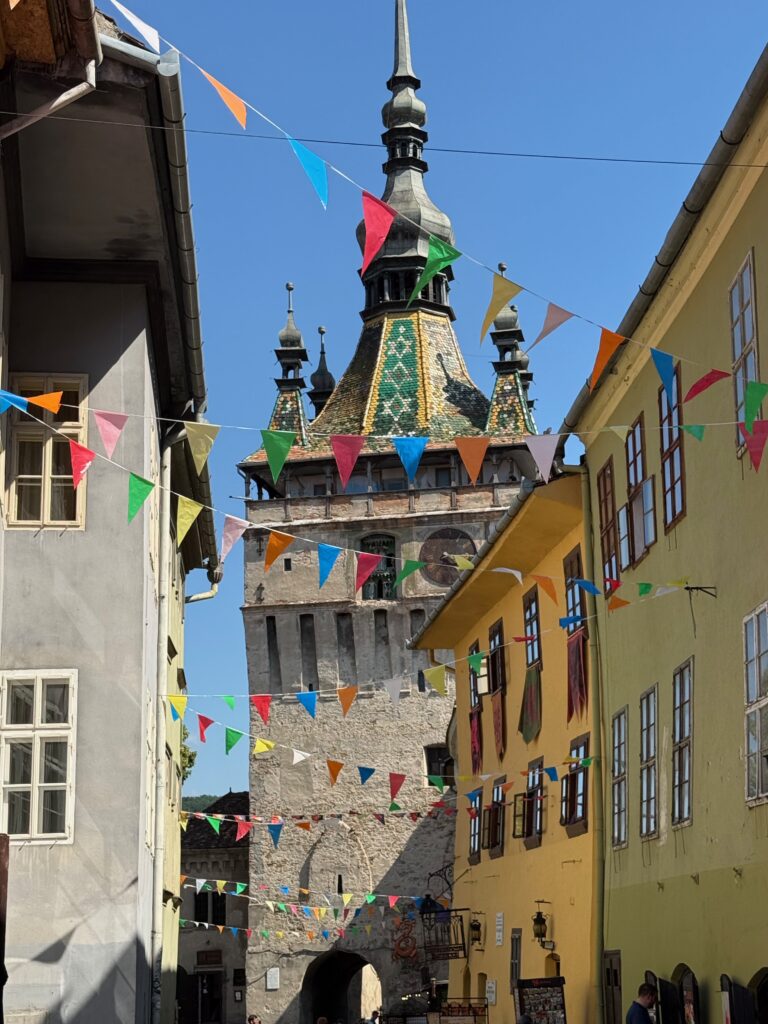
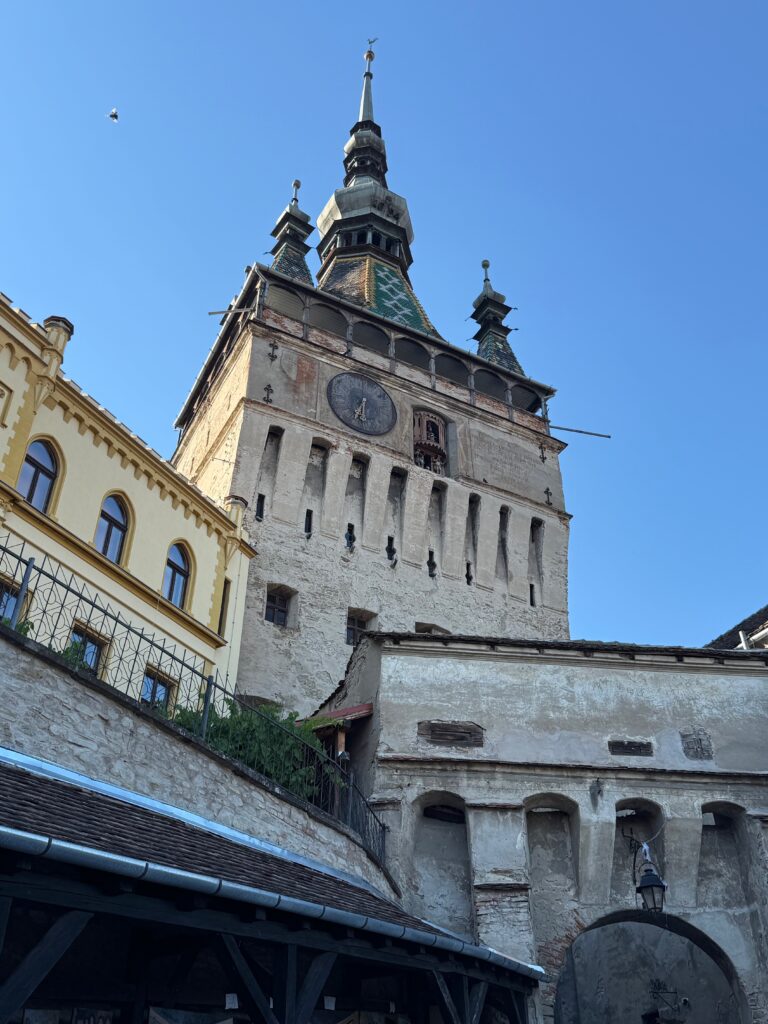
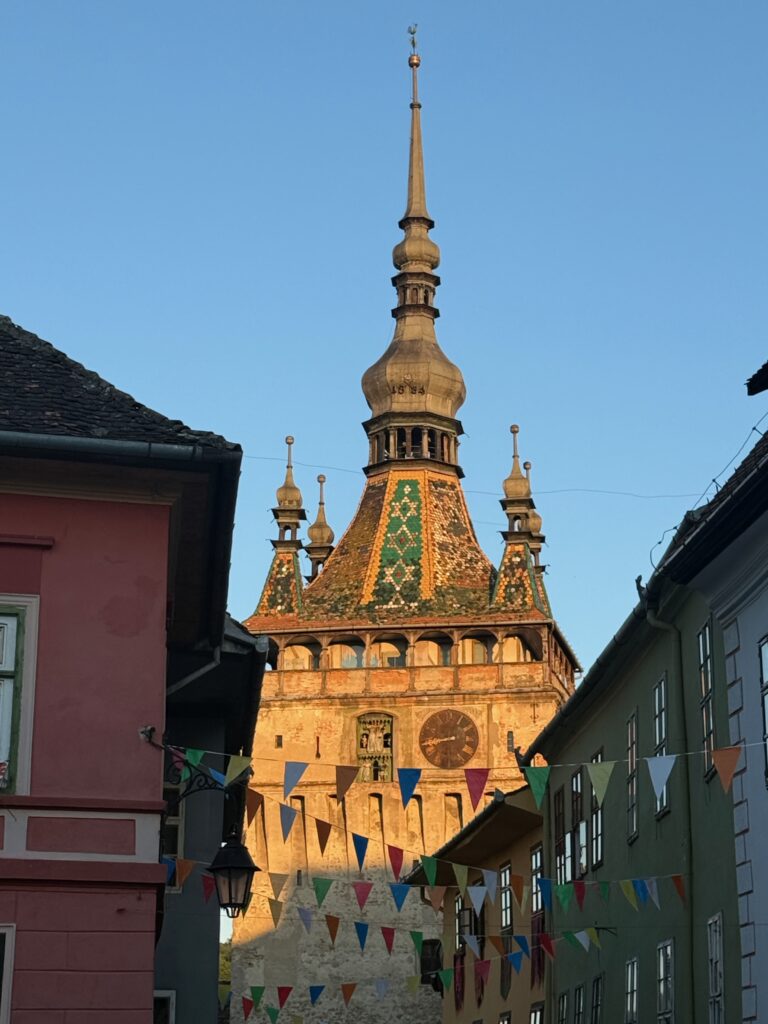 Sighișoara is the birthplace of Vlad the Impaler, who was the ruler of Walachia. He later became the inspiration for the book Dracula by Bram Stoker. In these days, Vlad the Impaler’s original home houses a restaurant.
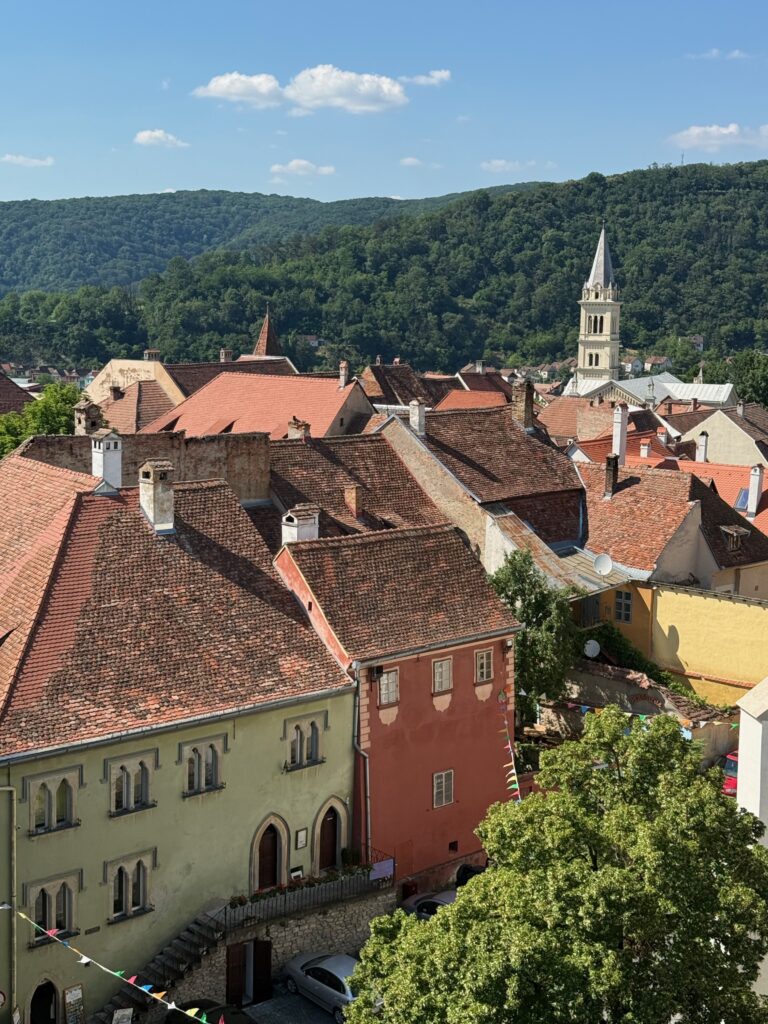
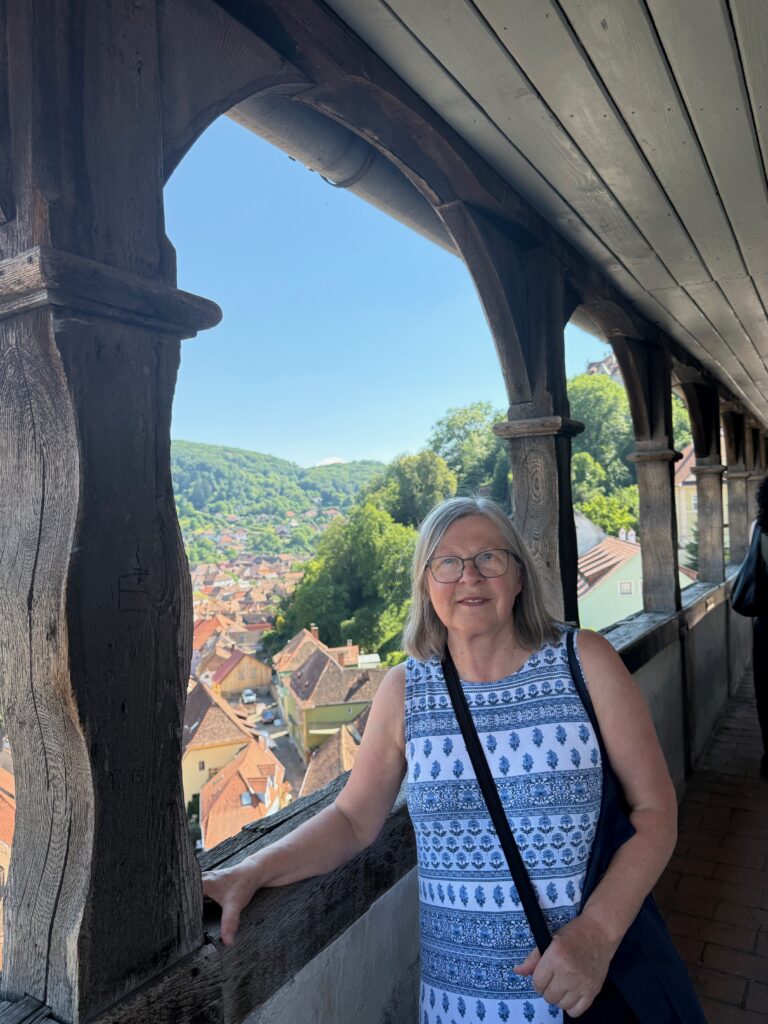
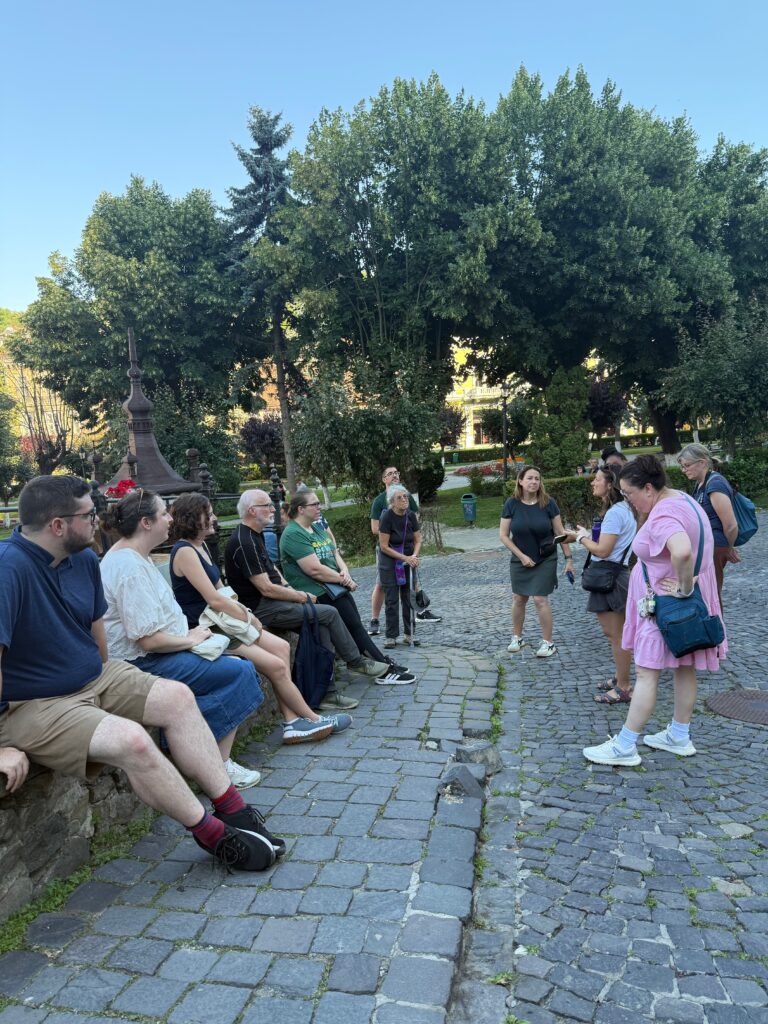
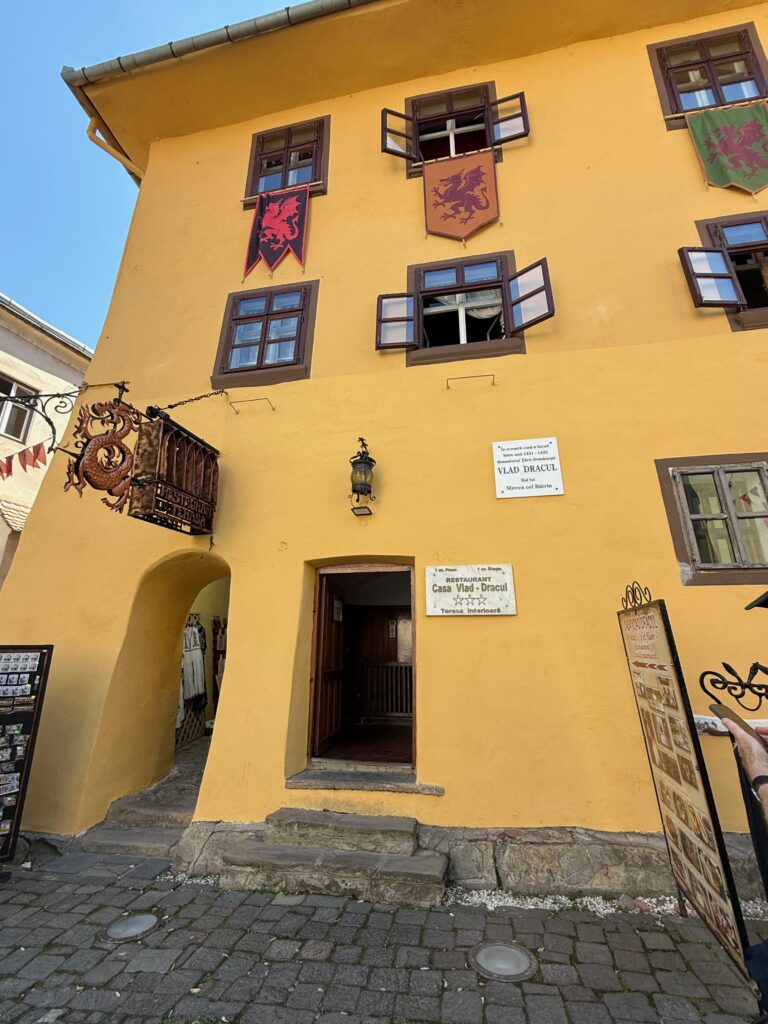 At 5:00 pm, our group met with Flavia, our CEO, who led a 2-hour long walking tour of the Citadel, one of the most preserved medieval citadels in Transylvania. In addition to the history lesson, there was also a great view of the town.
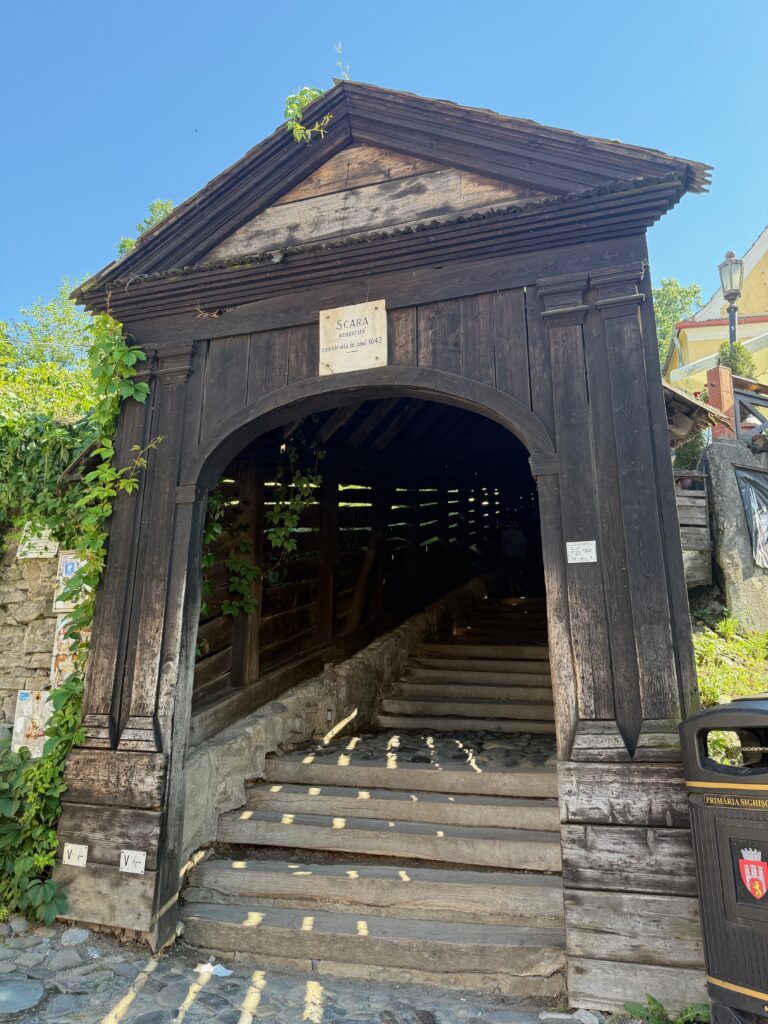
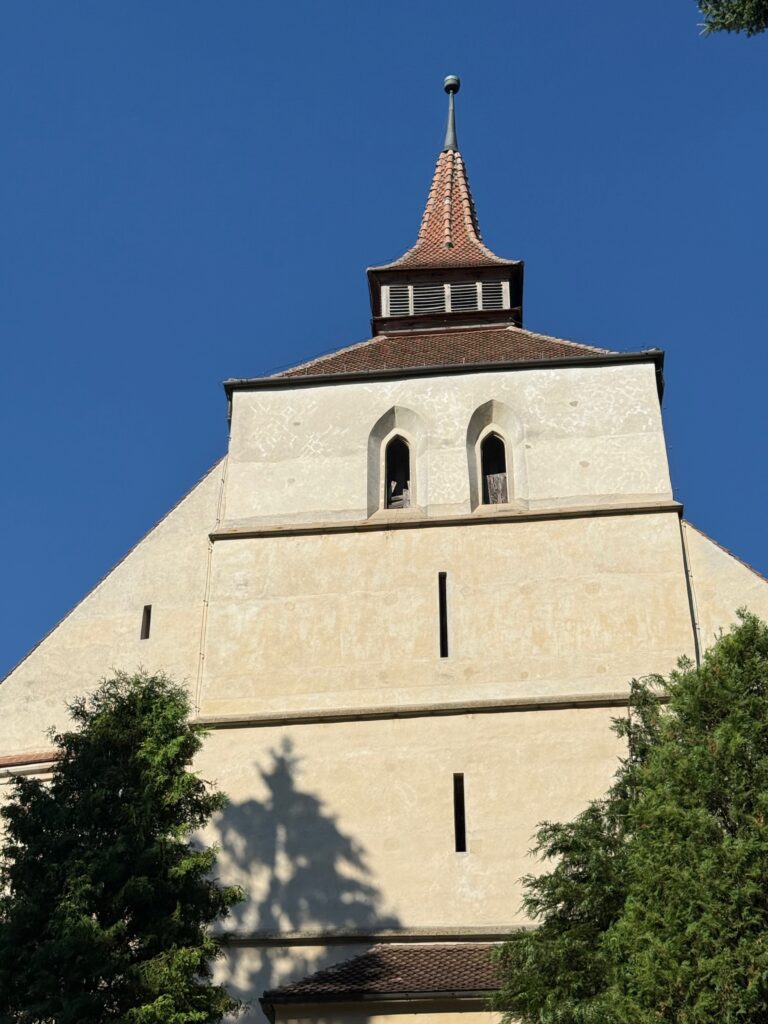
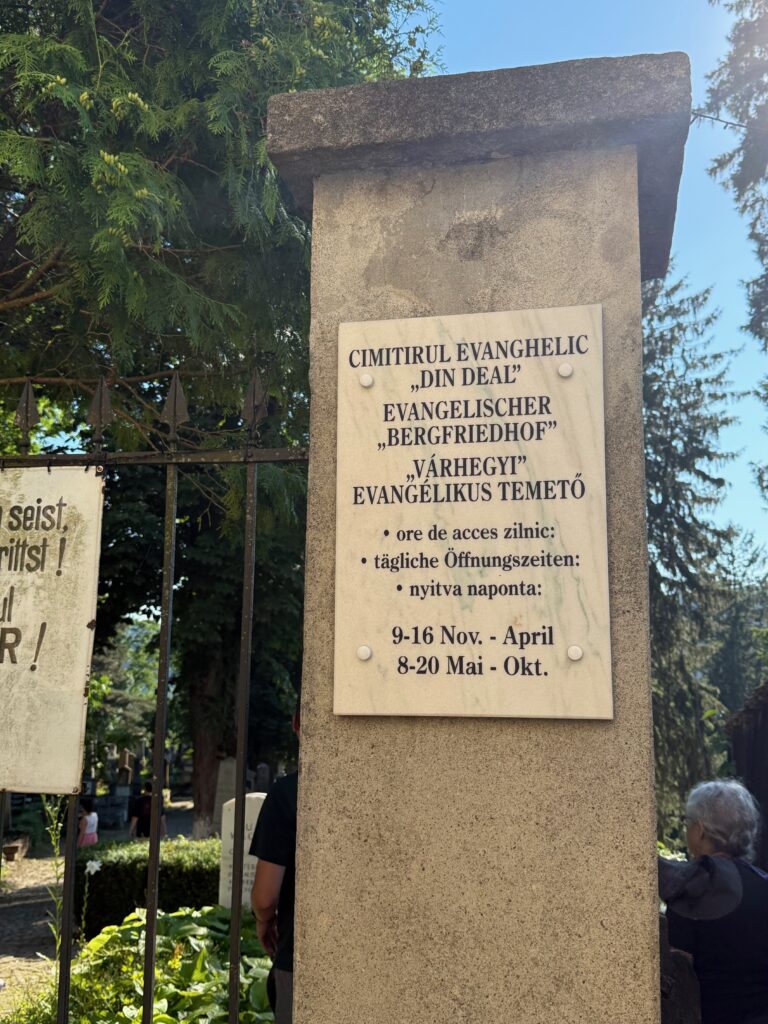
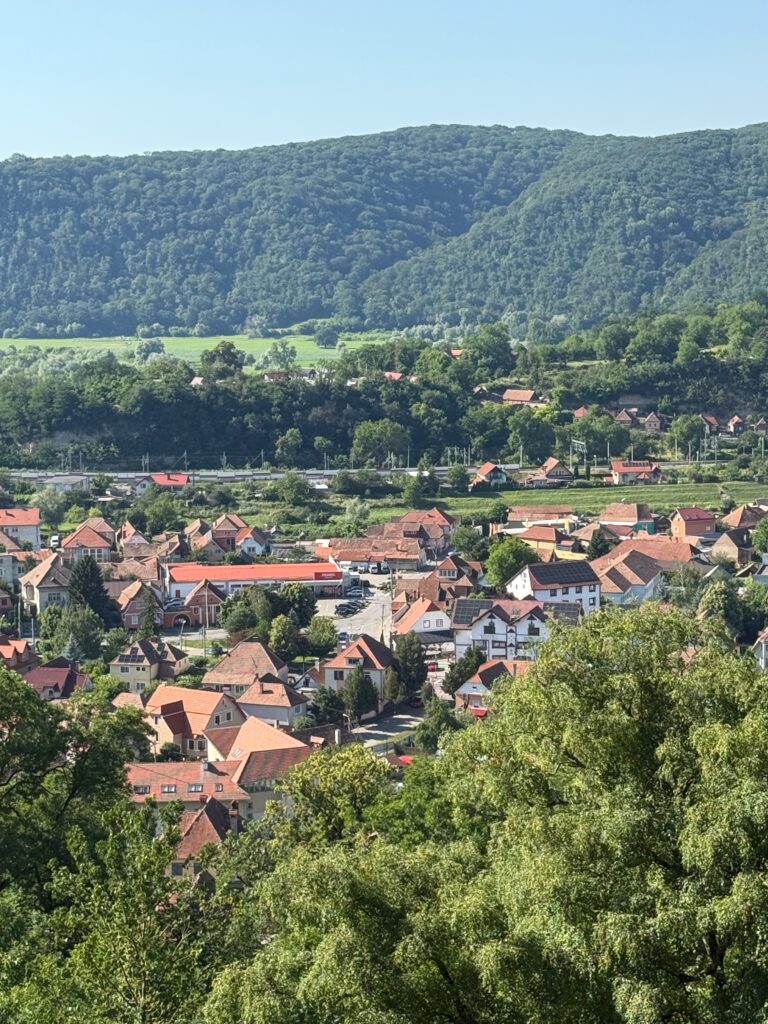 Walking through an old cemetery, we reached the lower town.
 Here, we exchanged some money for Romanian currency, leu. Because almost all of us got big denominations, Flavia recommended that we buy little snacks at a grocery store in order to receive some smaller bills. We had a lot of fun going through this “activity.” We needed smaller bills to pay for our group dinners in case the waiter would give us only one bill.
 Finished the day with dinner at the Altepost Gasthaus, sampling some Romanian food. I myself had traditional Saxon soup with pork knuckles.
 During this short visit to Sighişoara, I tried to remember my earlier trip to this place. In the late 1970s, with three friends, we drove across Transylvania visiting among other places this town too. Unfortunately, I have no photos or travel journal from that trip, and have no clear memories of what we did here.
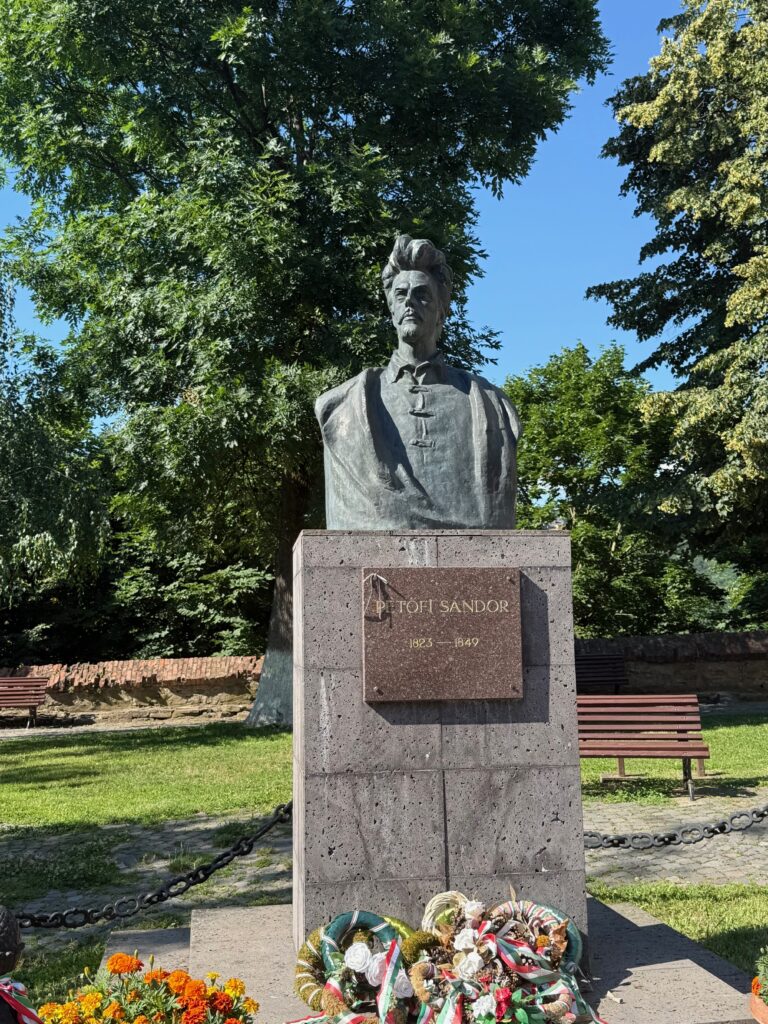
The only thing I do remember is that we saw the Hungarian poet, Sándor Petőfi’s statue here. During the Hungarian revolution, on July 31, 1849, in the Battle of Segesvár (now Sighişoara) at the nearby plain of Albeşti (Fehéregyháza), the Hungarian army was defeated by the Russian army. It is believed that Petőfi have been killed in this battle. He was 26 years old.
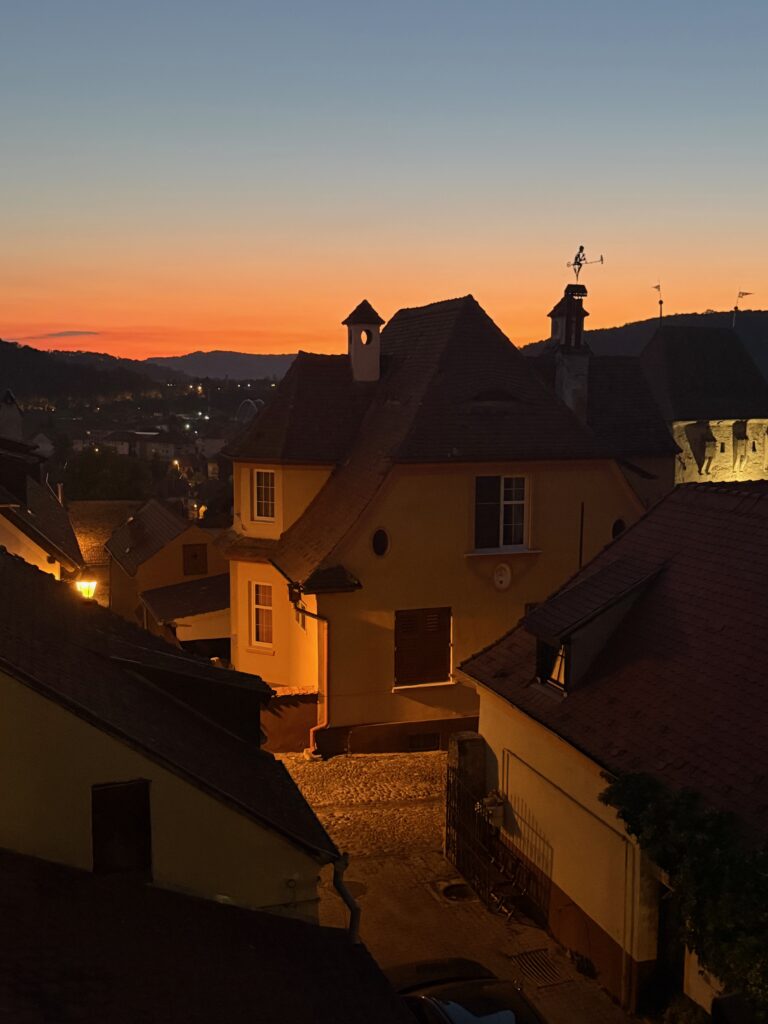
 Overall, I am very happy that I was able to visit Sighişoara again, this time with my husband in the company of friendly fellow teachers. I especially loved the colorful houses, the narrow streets, and the red rooftops of the houses.