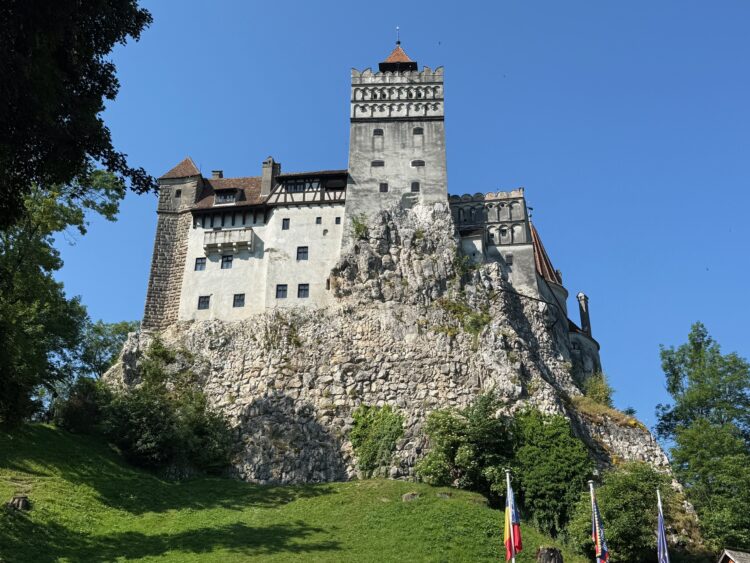
Mysterious and fascinating history, folklore, magical towers, narrow winding stairways, and secret passages. A highly popular stunning castle, one of Romania’s main tourist attractions.
Day 5, Saturday, June 27: Bran Castle
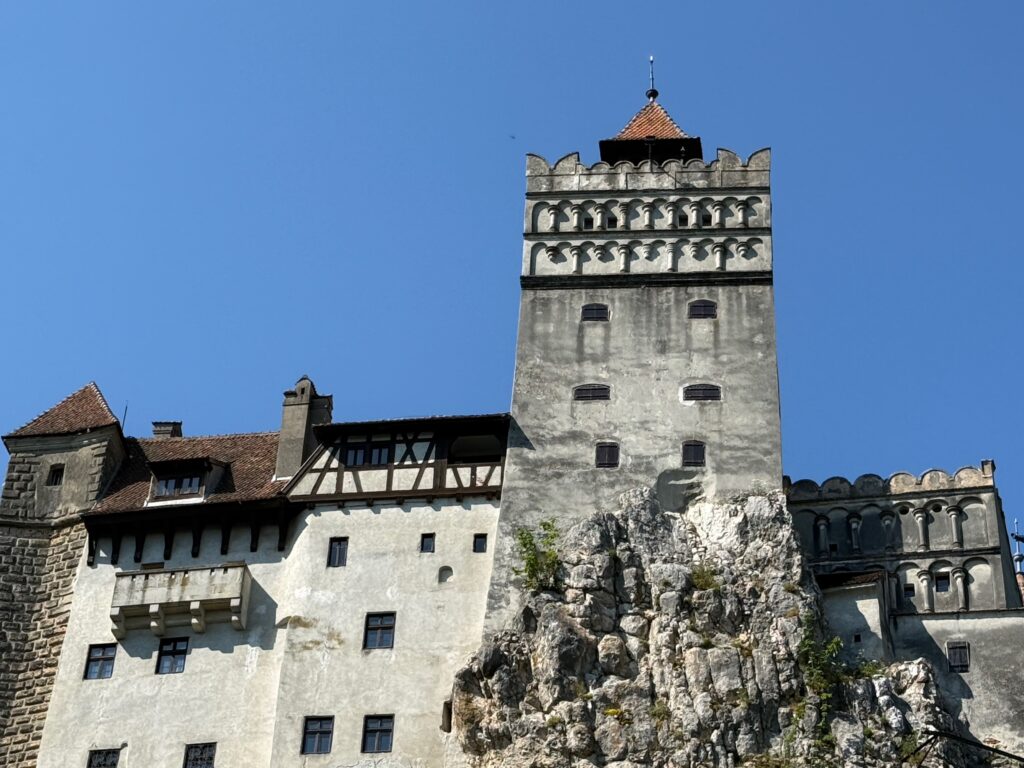
Our group had a half day visit (by bus) to this fascinating 14th century castle, located 30 km from Brașov, in Transylvania. It was built in 1377 on a 100-meter-high cliff, to control the trade route passing by it and defend against incursions by the Romanian voivodes of Wallachia.
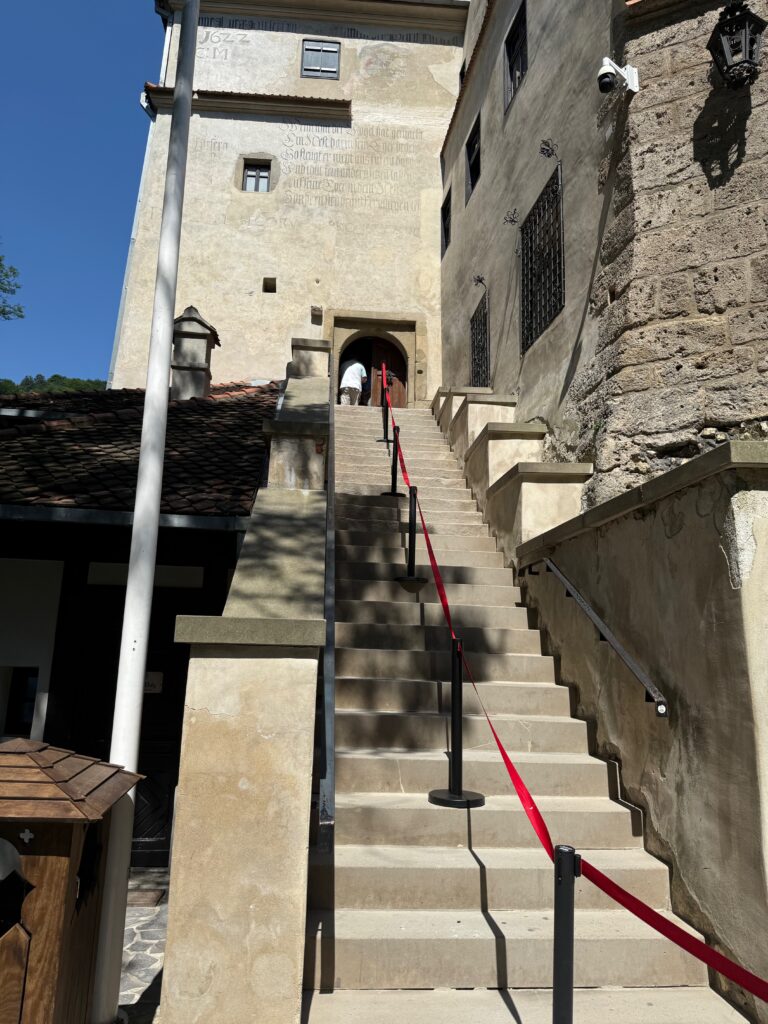
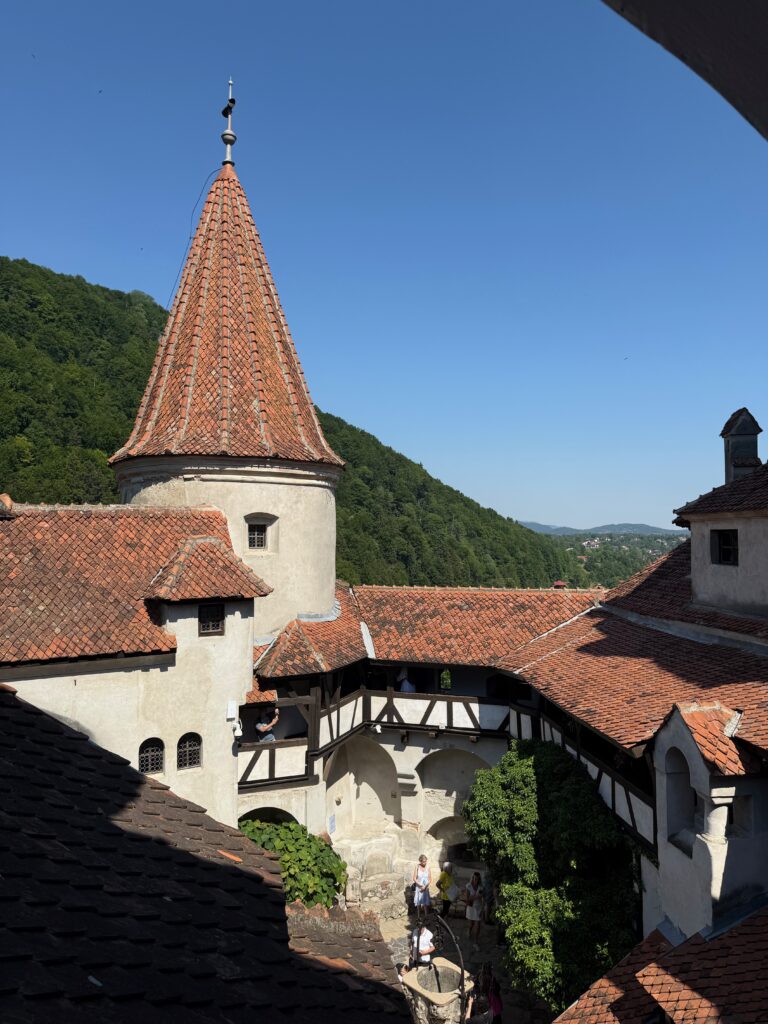
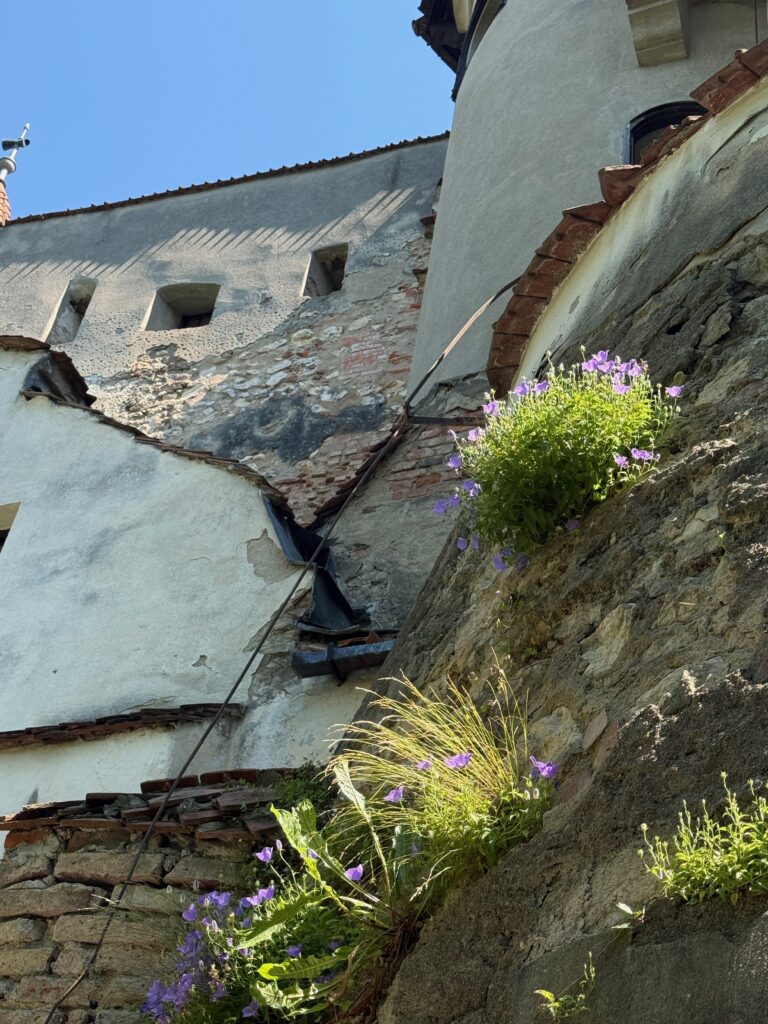
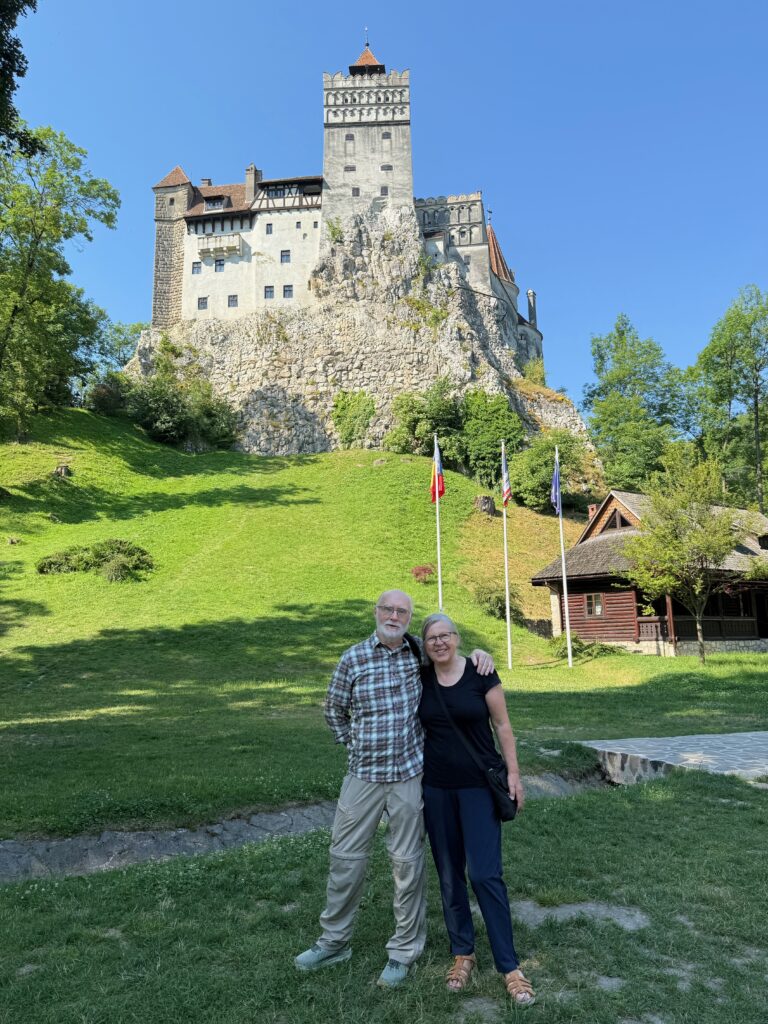 The castle was one of the most important defensive structures in the region, difficult to capture. Its structural elements have remained intact over the centuries. It has a single entrance, which nowadays is a stone staircase, but historically it was a movable wooden one. In the middle of the courtyard there is a well, 70 meters deep.
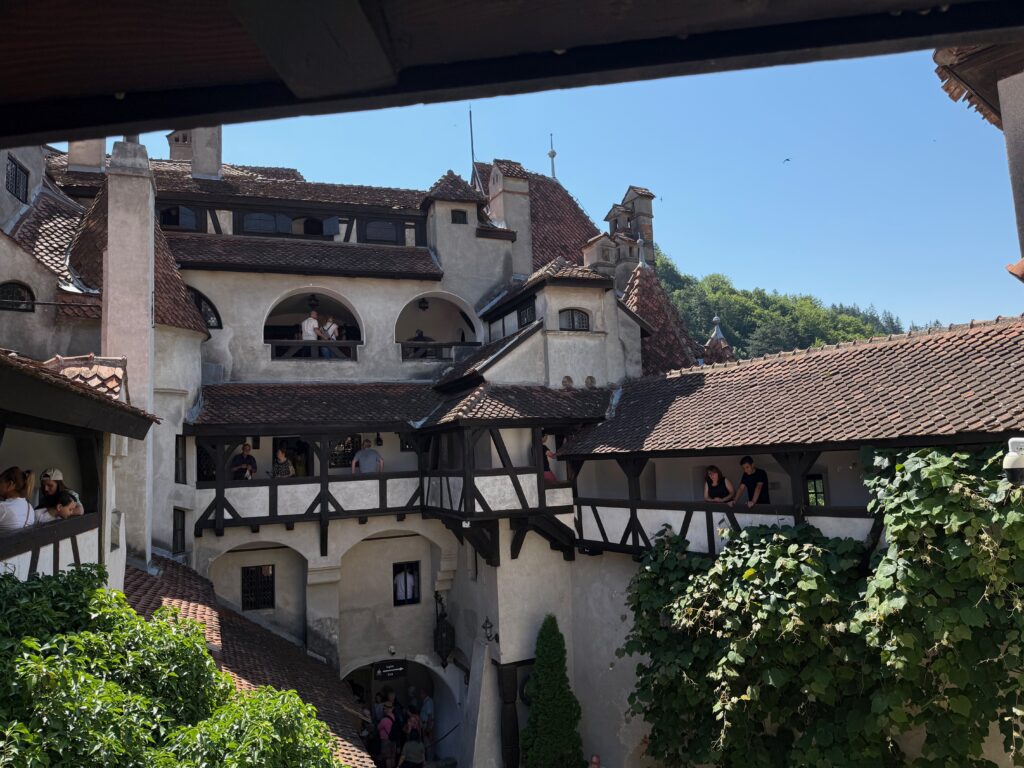
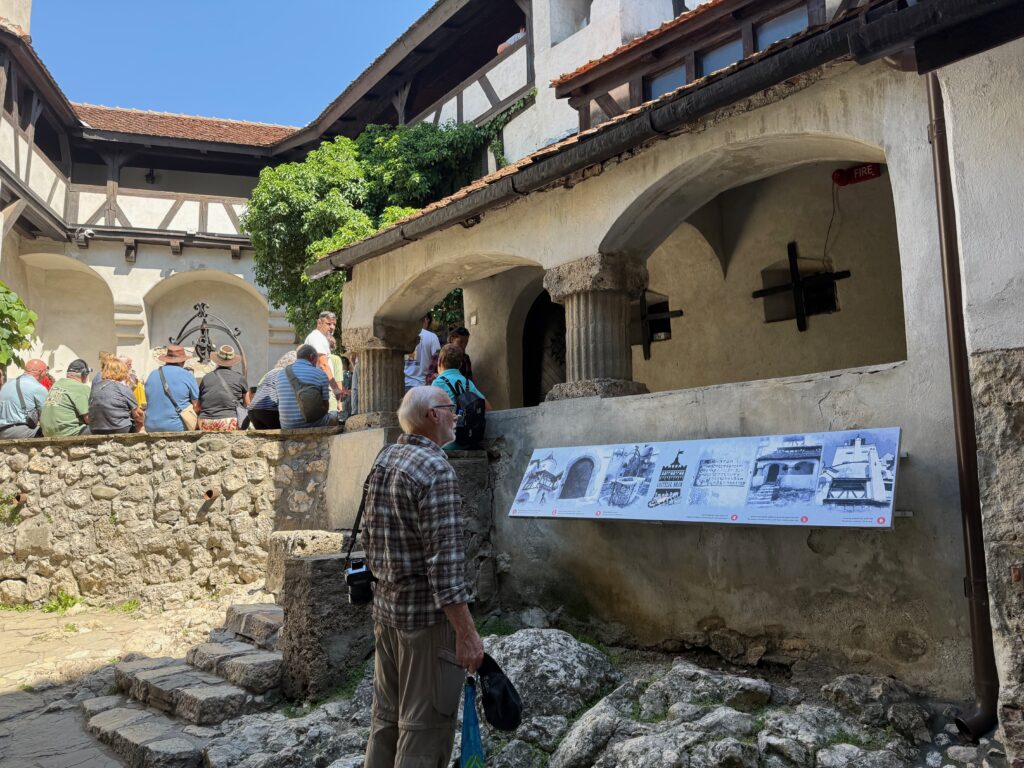 Bran Castle is sometimes mistakenly called “Dracula’s Castle” and is marketed as “Royal by Day, Wicked by Night.” In the 15th century, it was allegedly used by Vlad Draculea, nicknamed as Vlad Tepes (Vlad the Impaler), ruler of Wallachia but – as we learned – this is just a legend. Most historians agree that Vlad Tepes never lived in Castle Bran. Writer Bram Stoker in his novel Dracula (published in 1897) created the fascinating tale of Count Dracula.
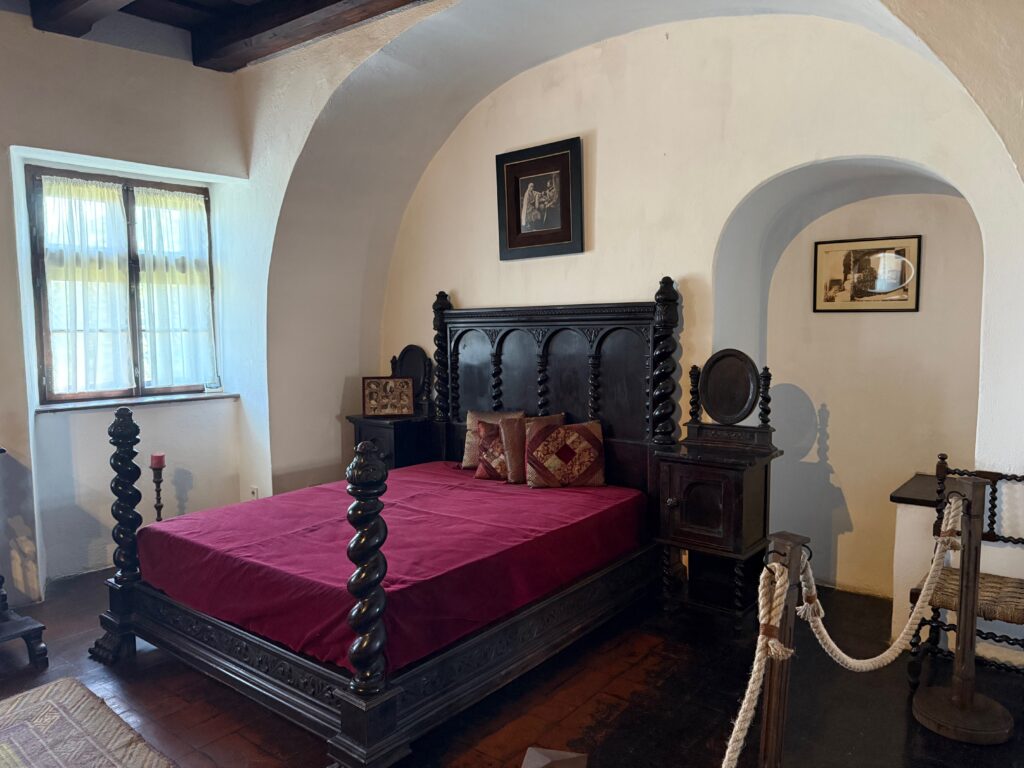
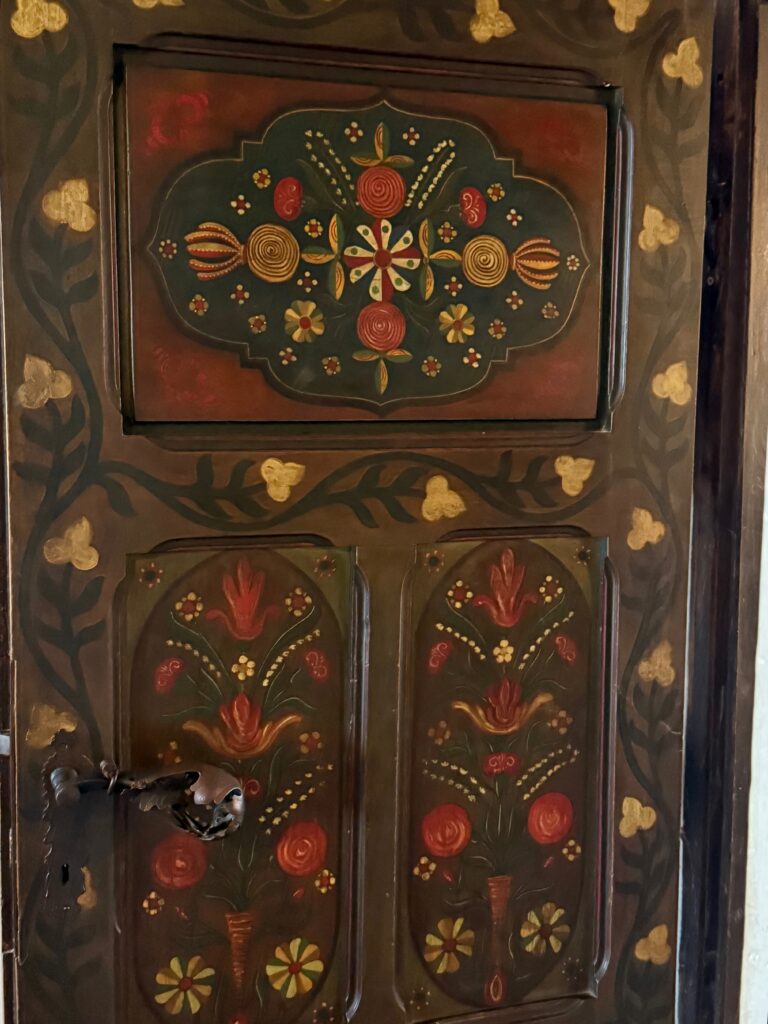
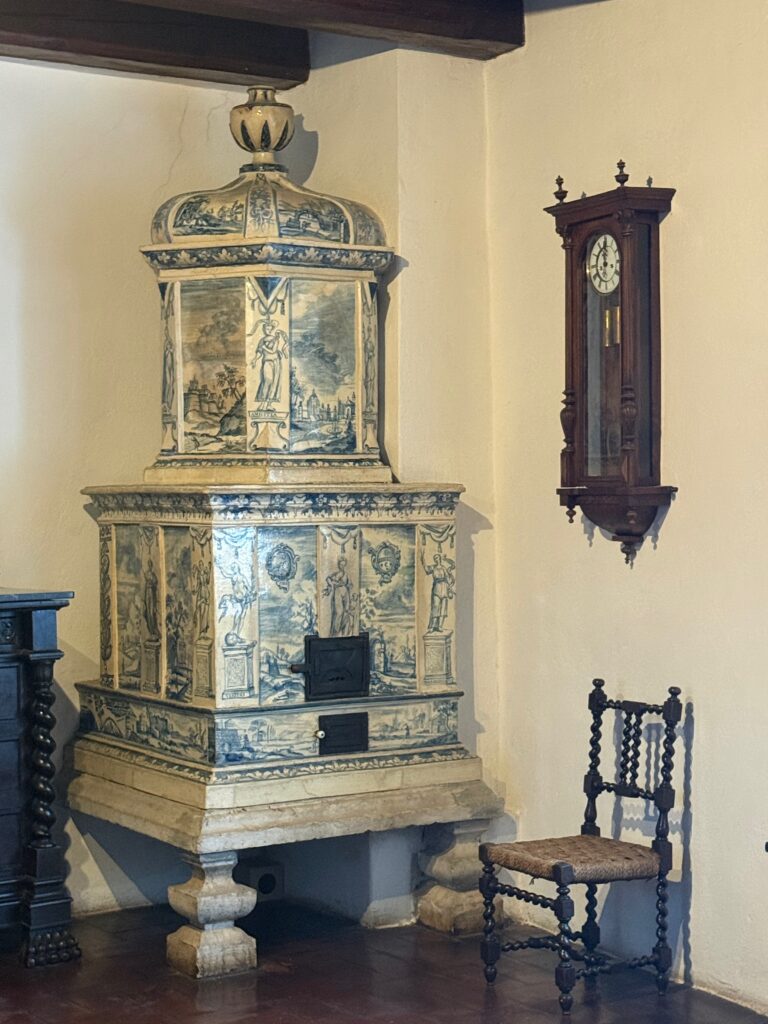
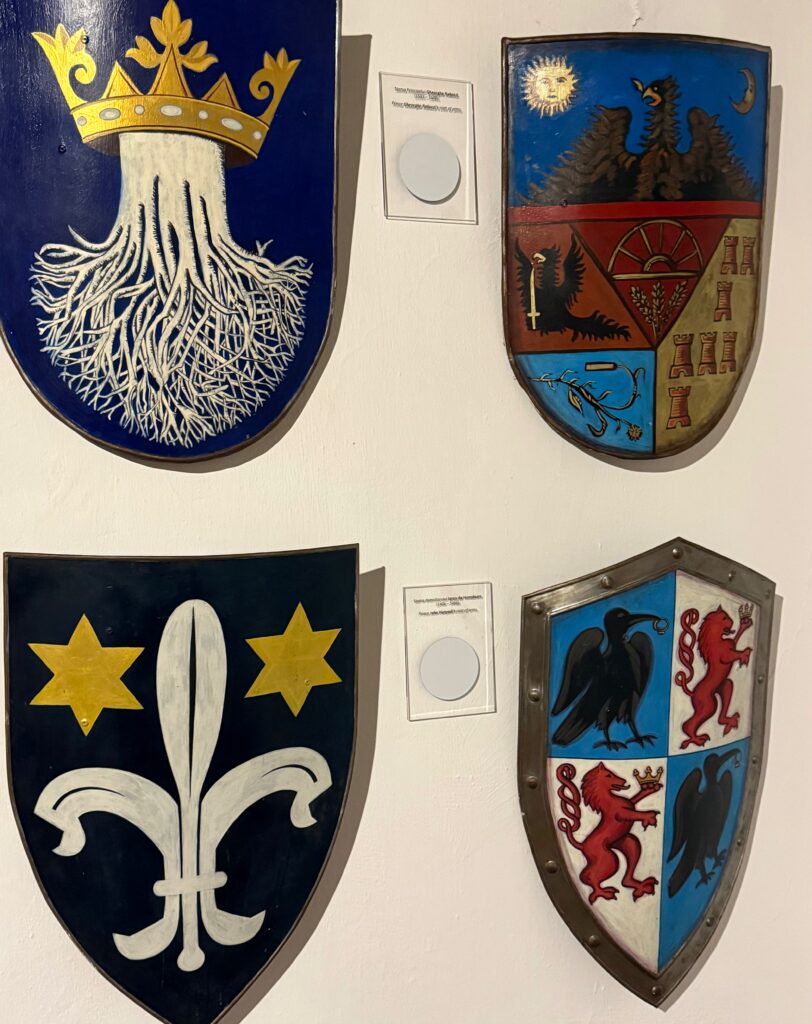
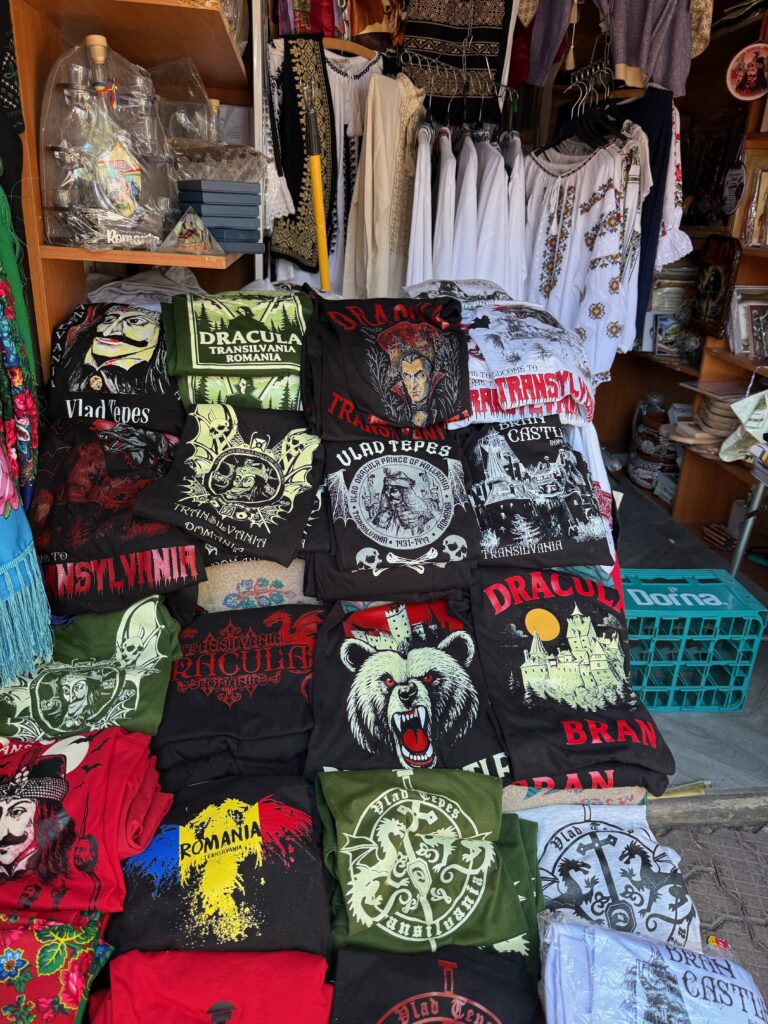 Now the castle houses a museum. In its interior rooms memorabilia of the Romanian royal family is exhibited (valuable furniture, rustic tiled stoves, weapons, armor, etc.) But, to please the tourists who believe in chilling vampire stories, they can visit a room furnished as a torture chamber.
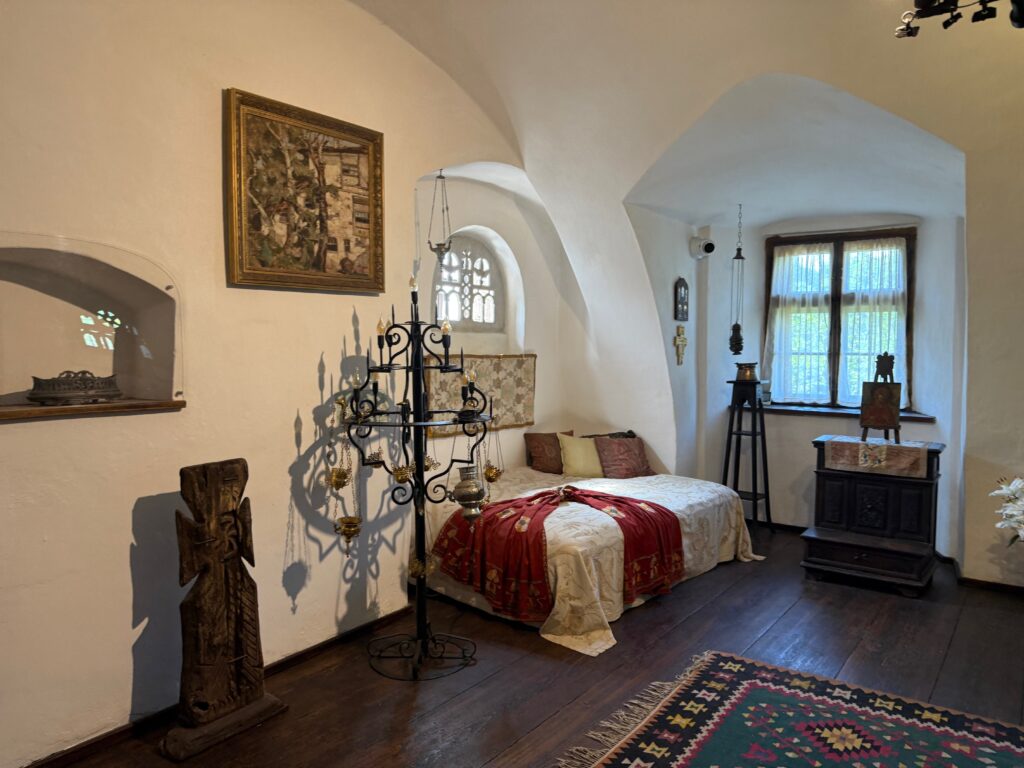
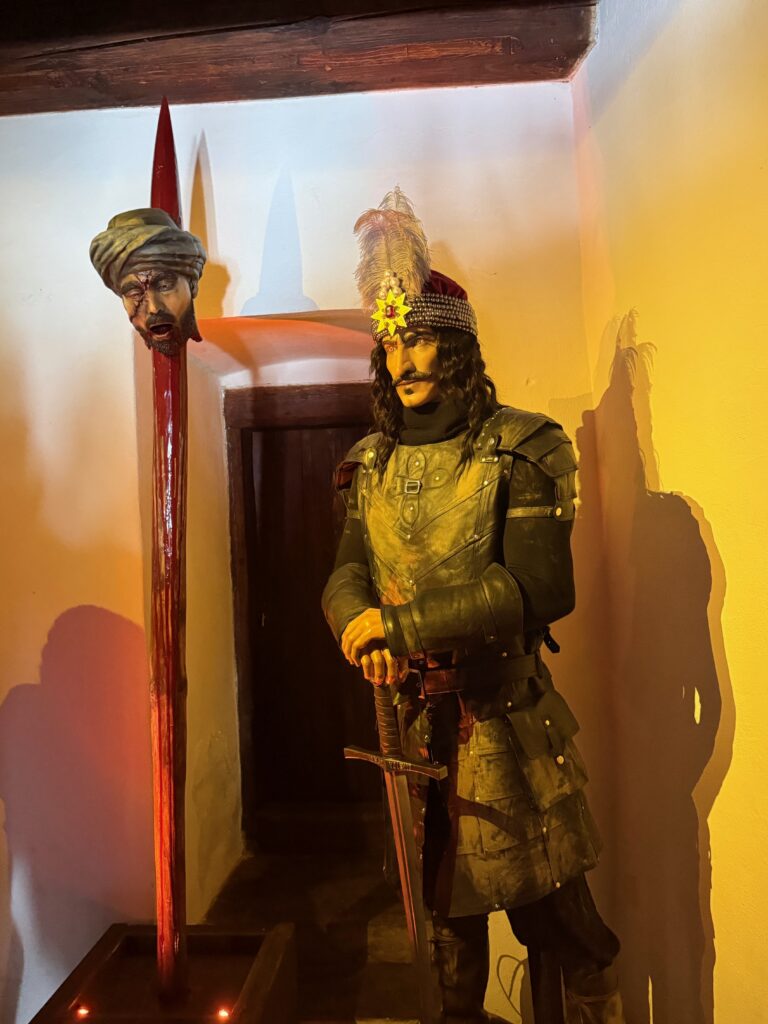 Whether you believe the myth of Count Dracula or not, Bran Castle is definitely an enchanting place to visit.


I’ve been enjoying your posts of all the wonderful places you are visiting. The pictures are great as is learning of your adventures there. Keep the reports coming! Cathy Carnes, over here in Wisconsin.