Roman ruins, many churches, communist landmarks, modern European culture – all in one place. This is Sofia.
Day 9, Wednesday, July 1: Sofia
On this day, 44 years ago, I was in the hospital giving birth to my son! Today, I was exploring Sofia, Bulgaria’s capital, home to more than one million people.
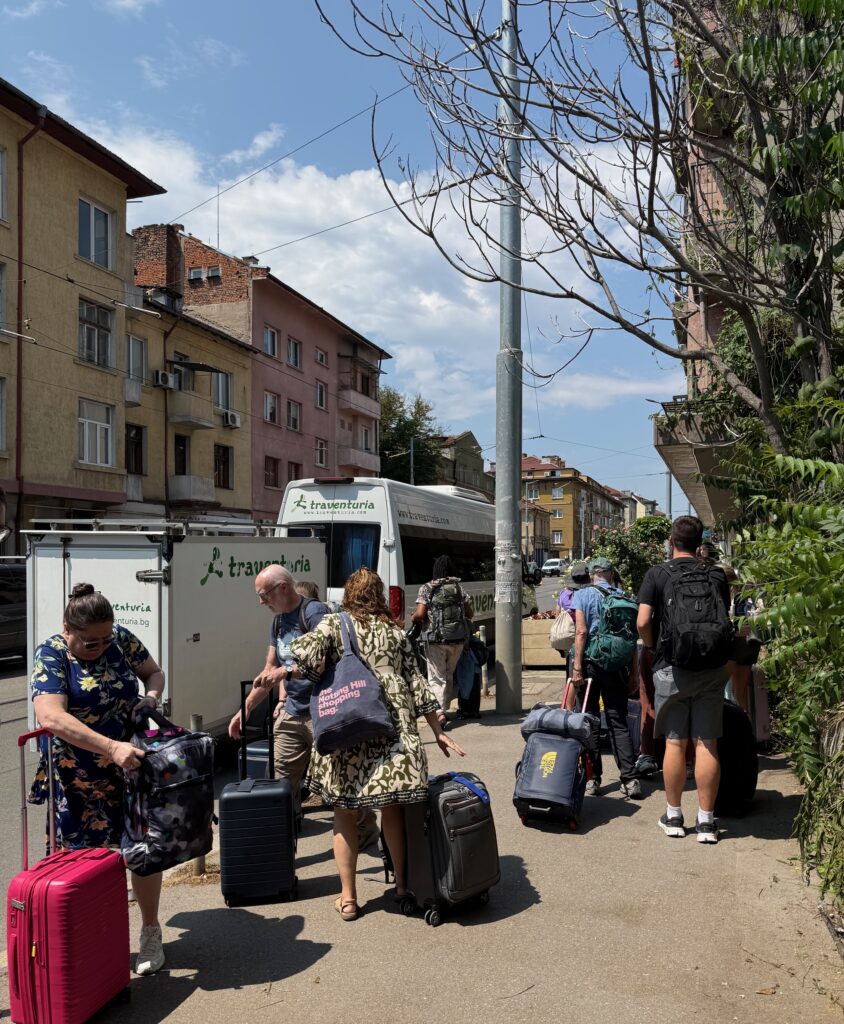
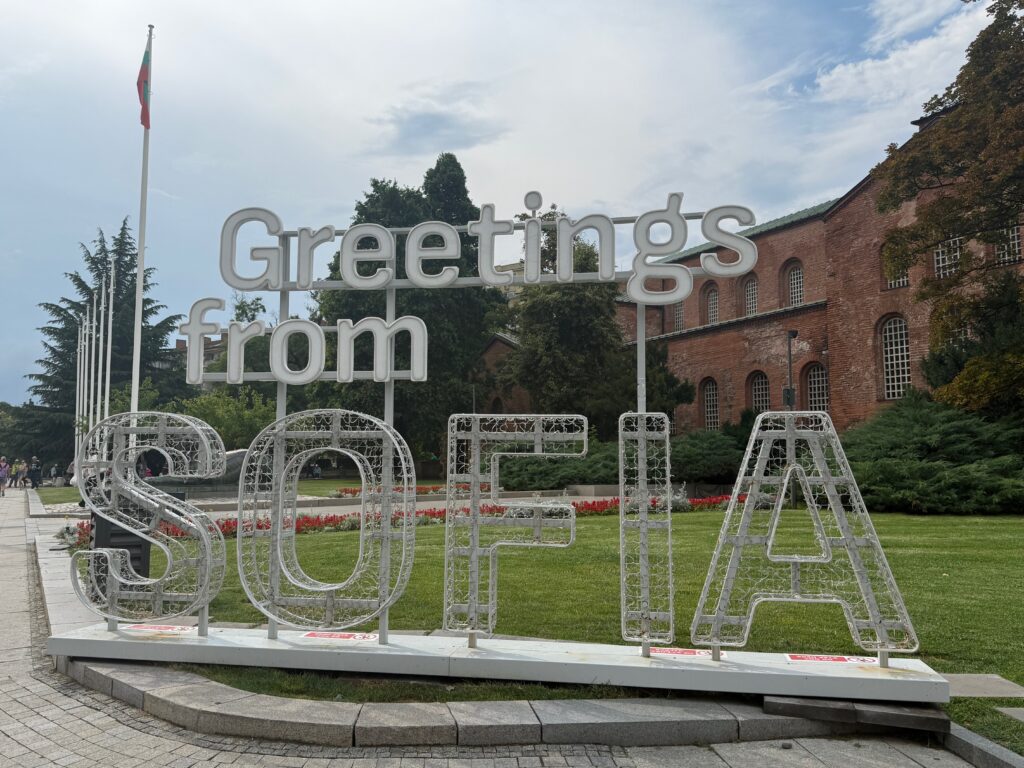 By noon, after traveling in a minivan for more than three hours, we checked into our hotel, the Hotel Budapest Sofia.
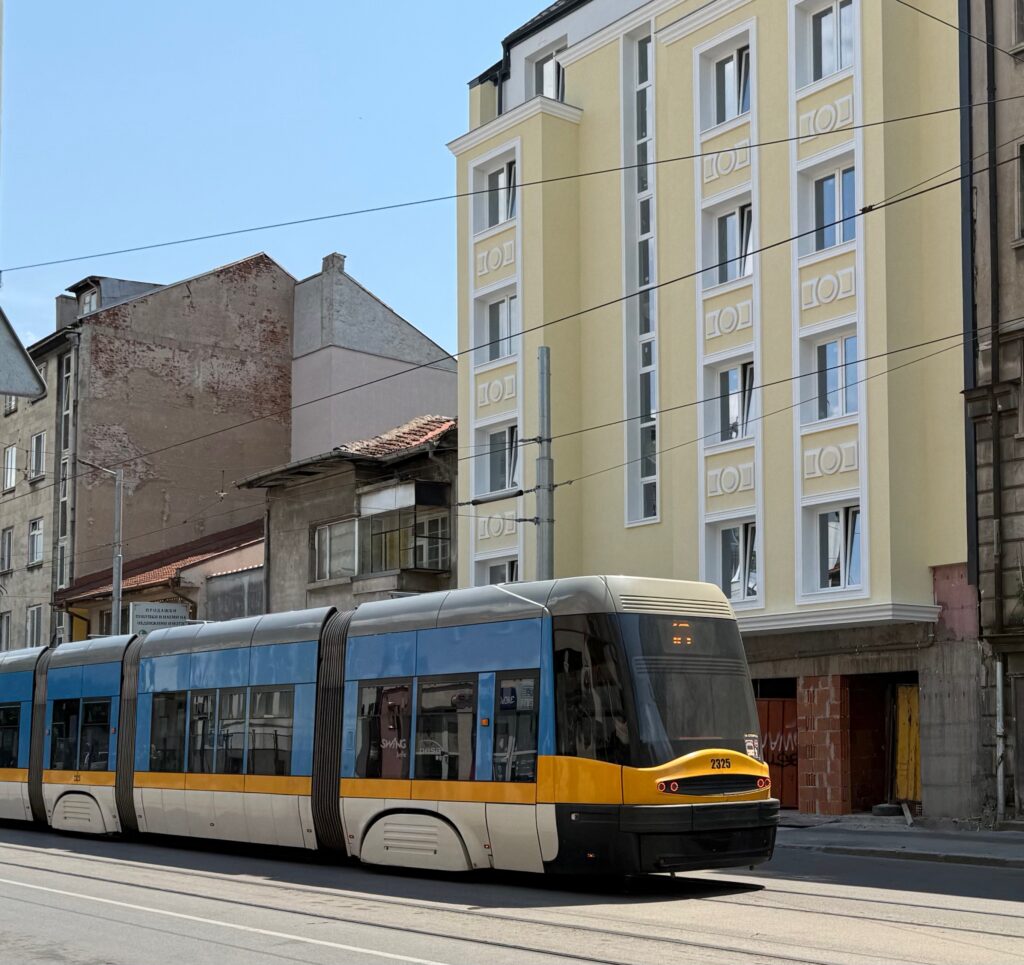
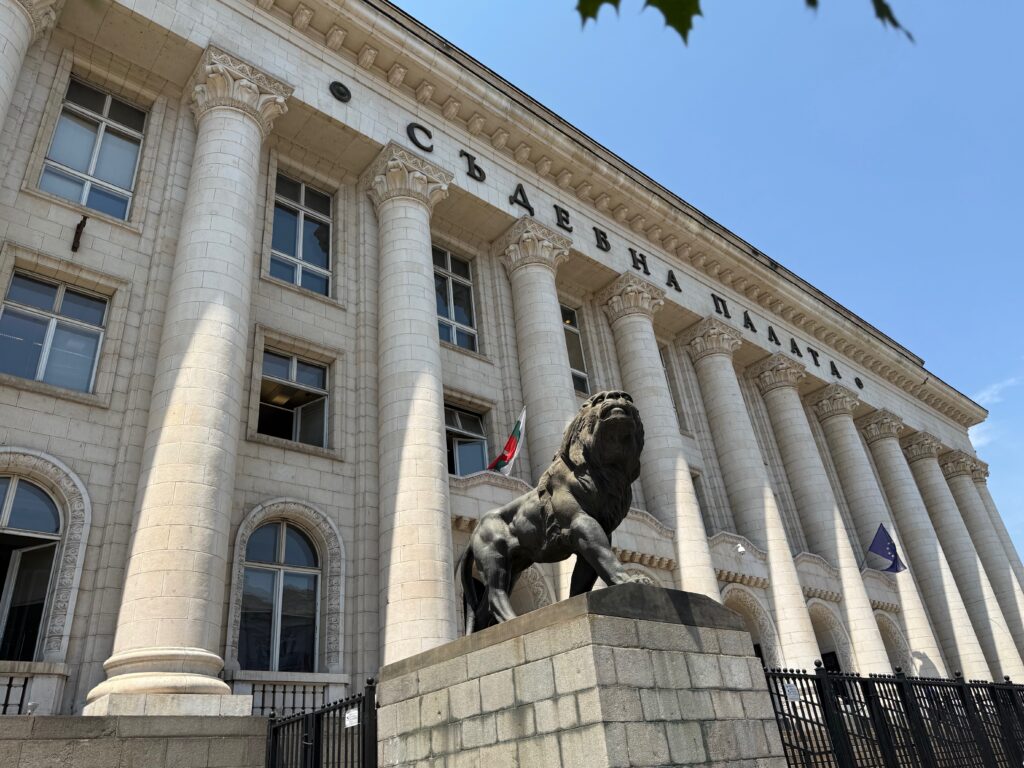
 Early afternoon, we took a tram downtown. The group got dismissed in front of the Sofia Court House for some free time to stroll through Vitosha Boulevard. This pedestrian main street of Sofia is lined with lots of restaurants and a variety of shops. We had lunch here, then started the sightseeing walk led by Flavia.
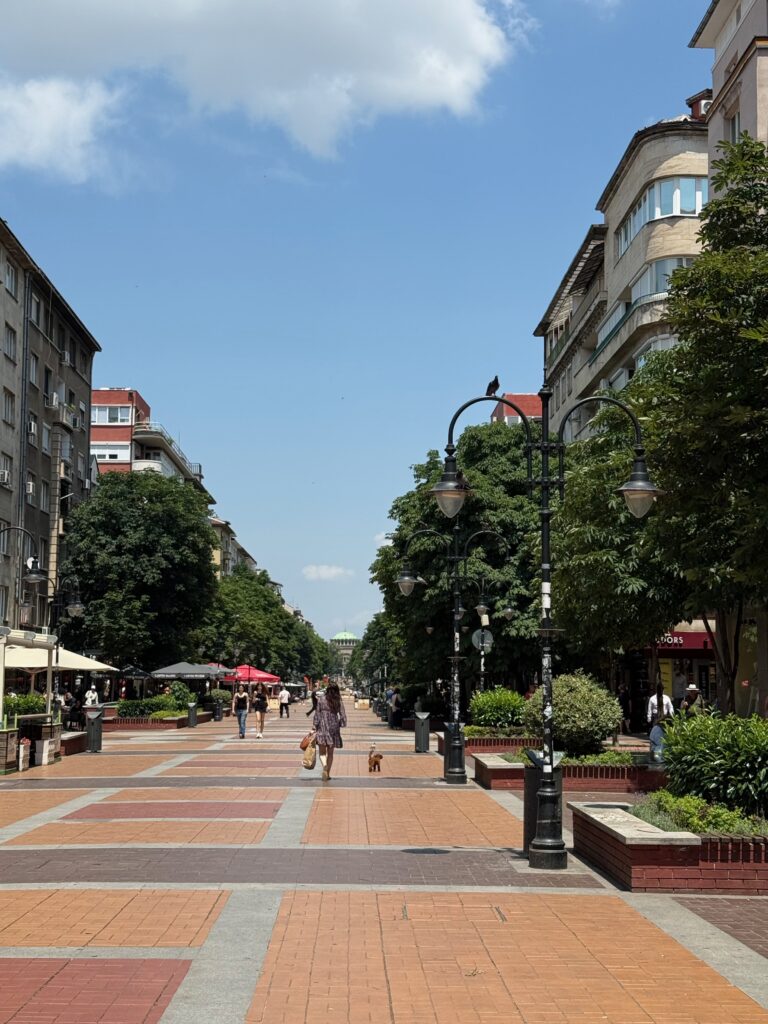
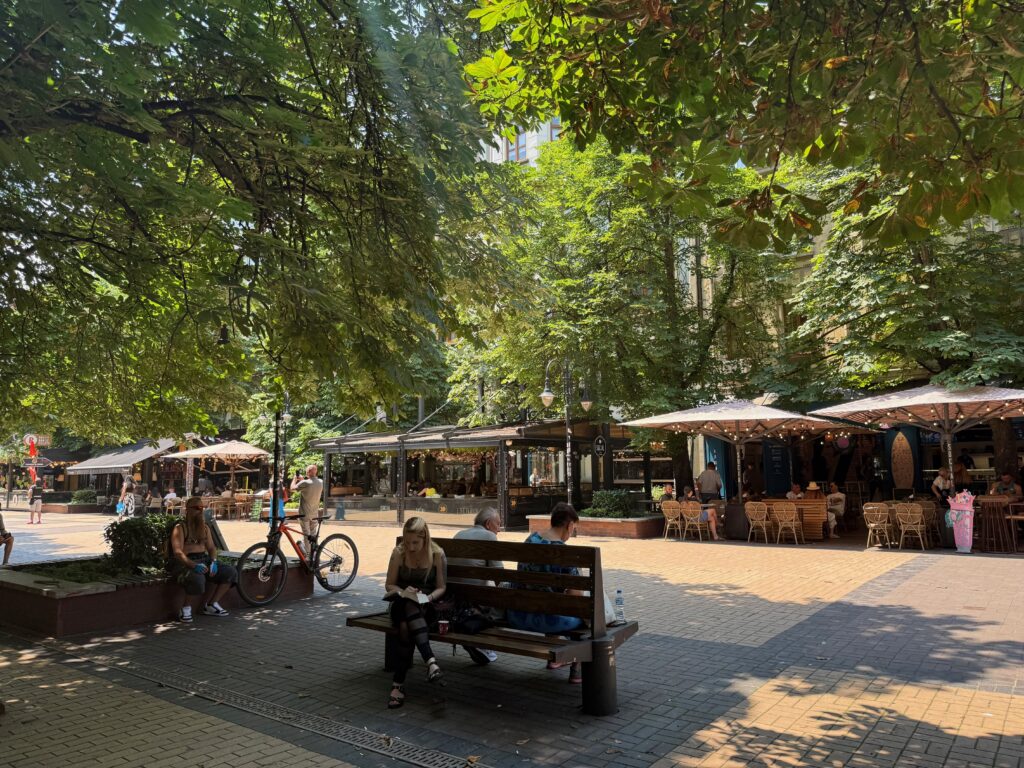 A sudden thunderstorm came, forcing us to take shelter by the Cathedral of Saint Nedelya.
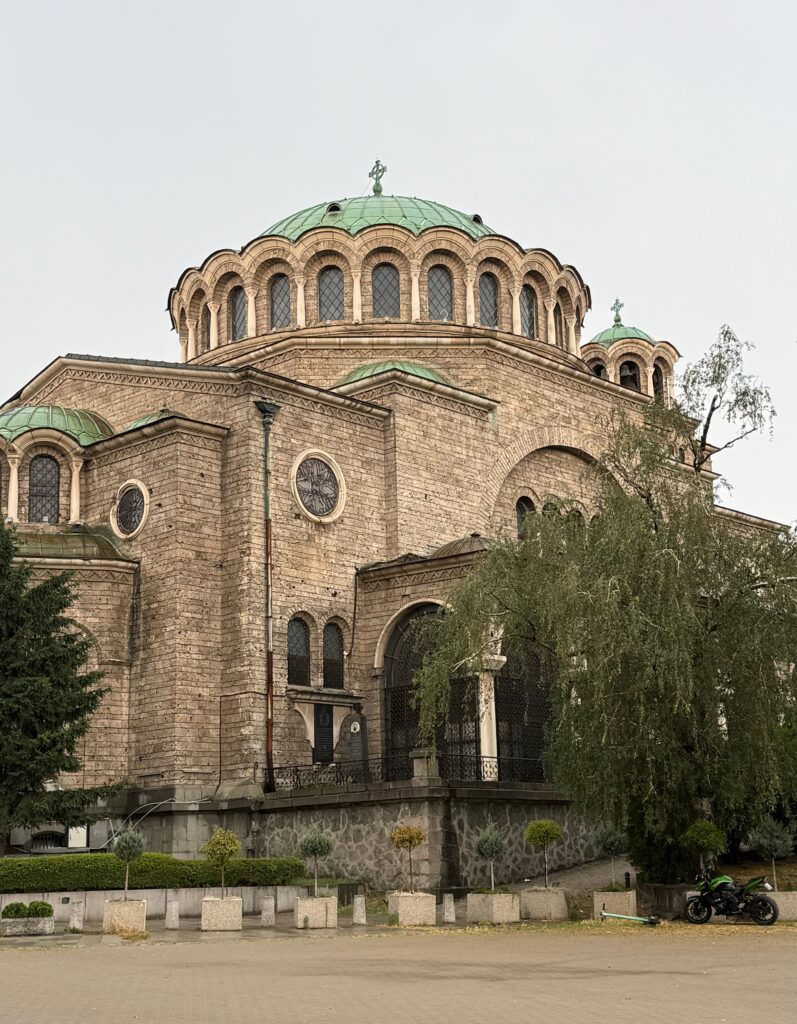
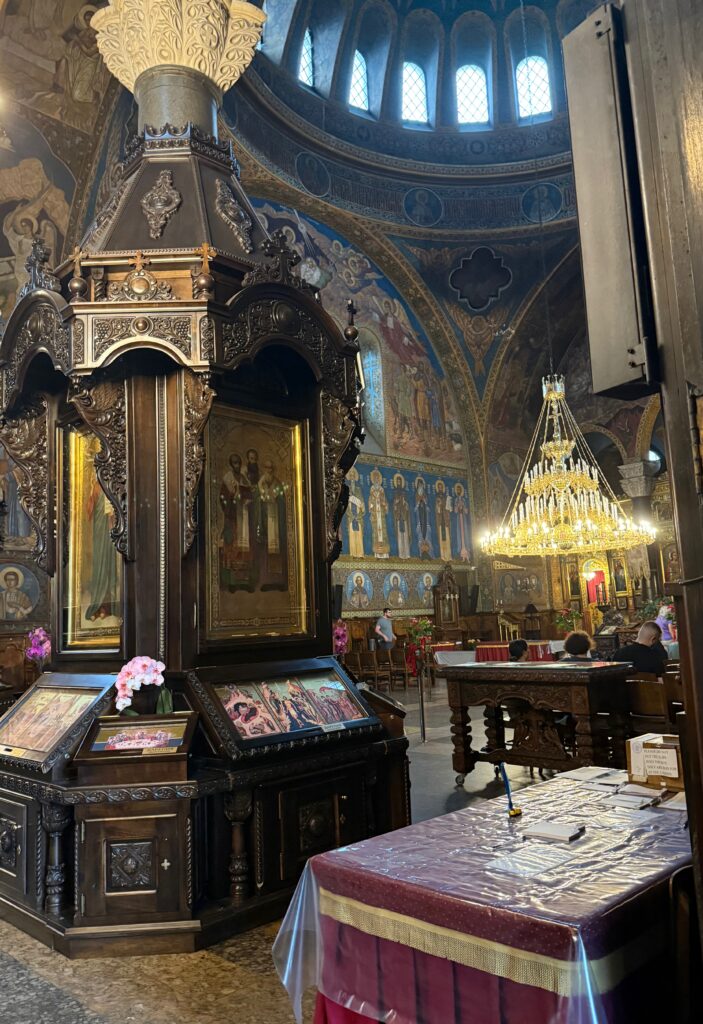 Soon, we could continue with our exploration of the city, which holds plenty of surprises for those who are interested in architecture, history, ancient ruins, churches, or want to experience a modern urban atmosphere.
Sofia became Bulgaria’s capital in 1879. For centuries, it has been a place with diverse cultures and religions. That’s why we can find Orthodox and Catholic churches, a mosque, and a synagogue not far away from each other.
We walked by the medieval Orthodox Temple of St. Petka Samardjiyska and the Banya Baski Mosque.
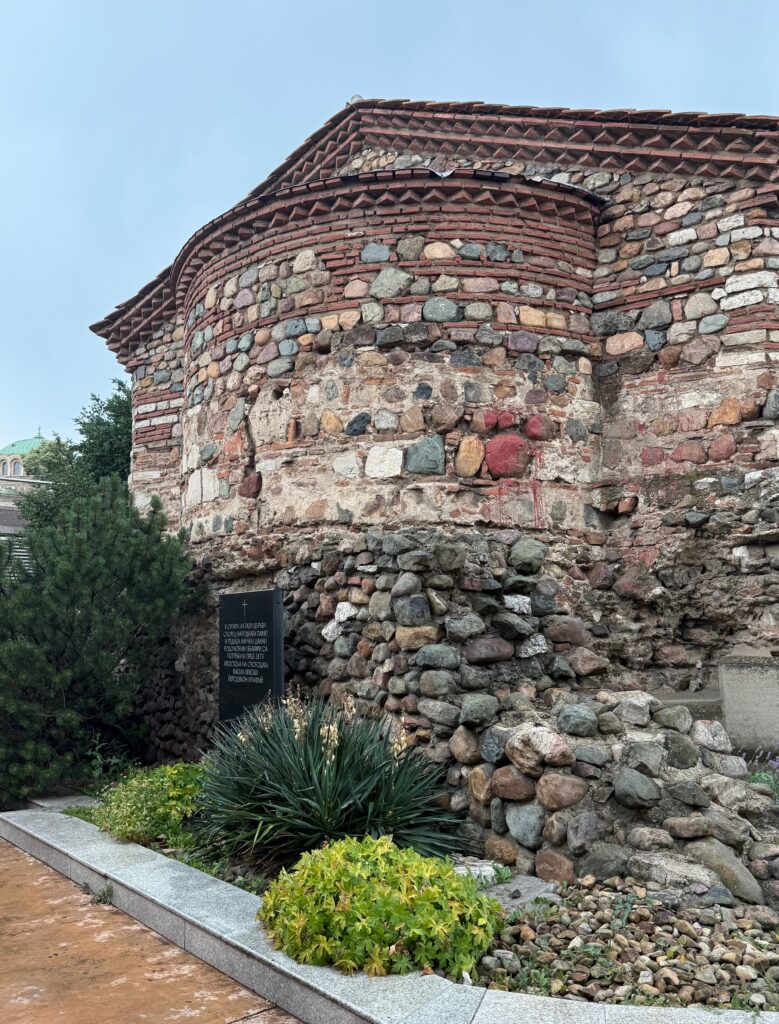
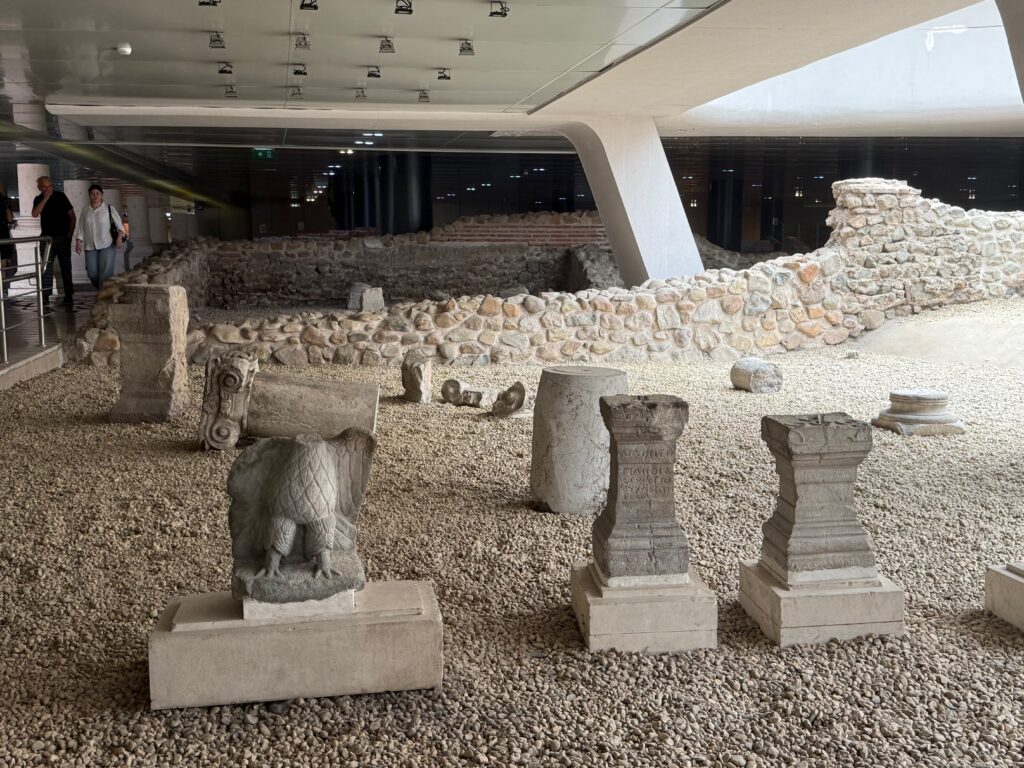
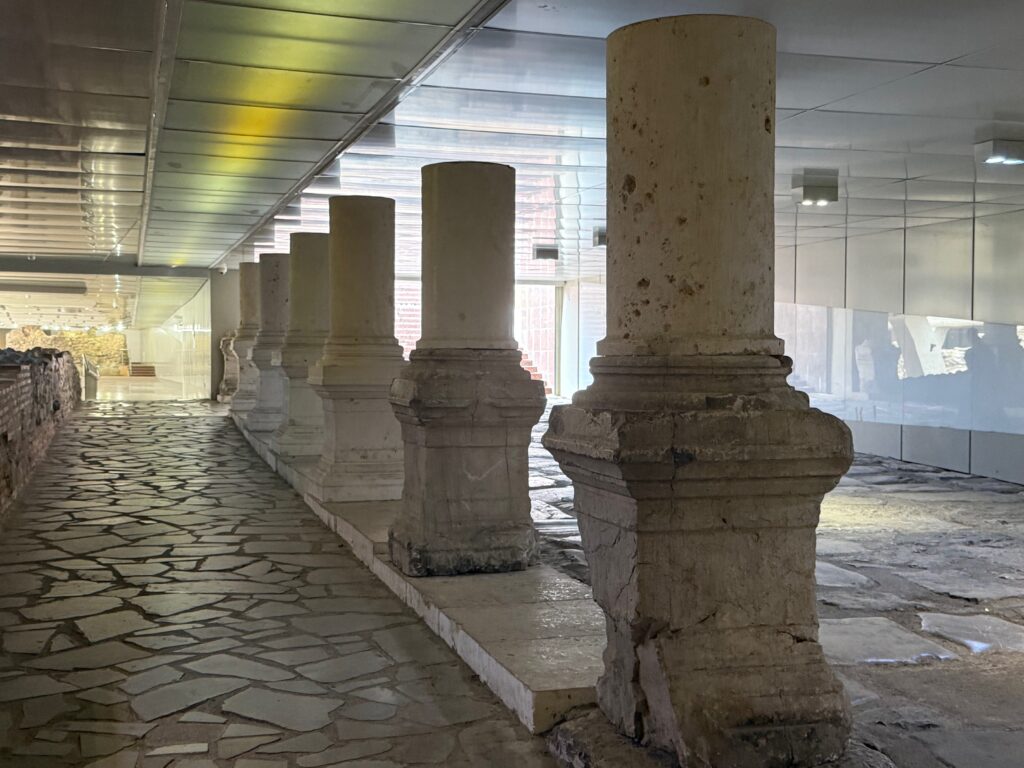
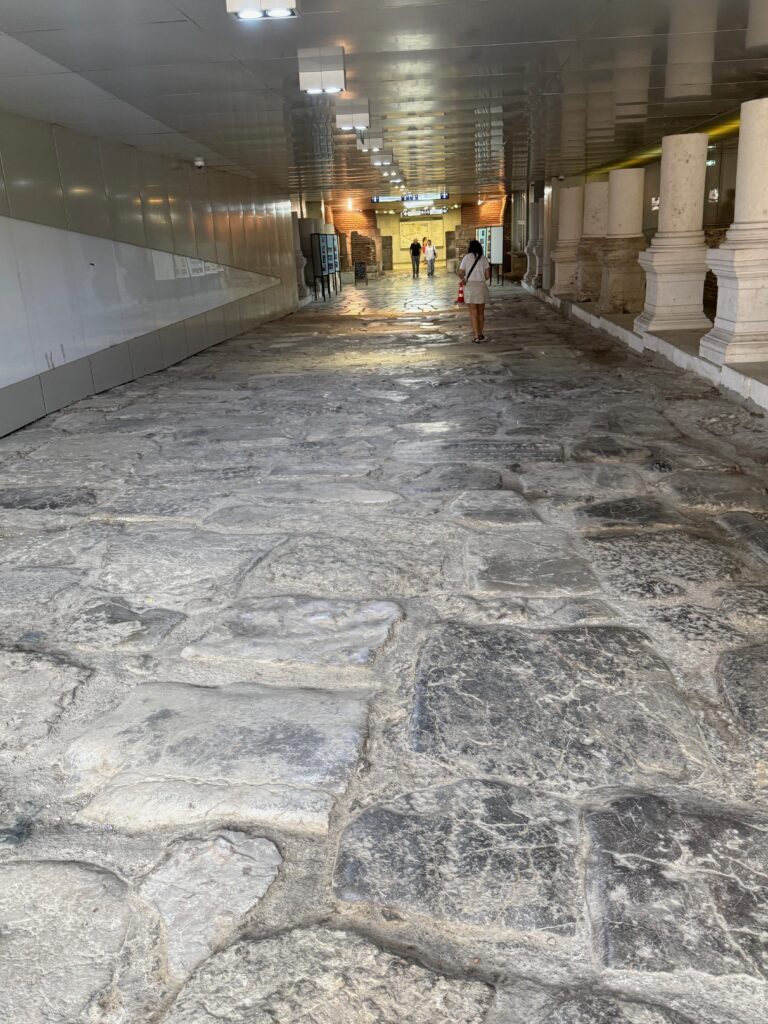
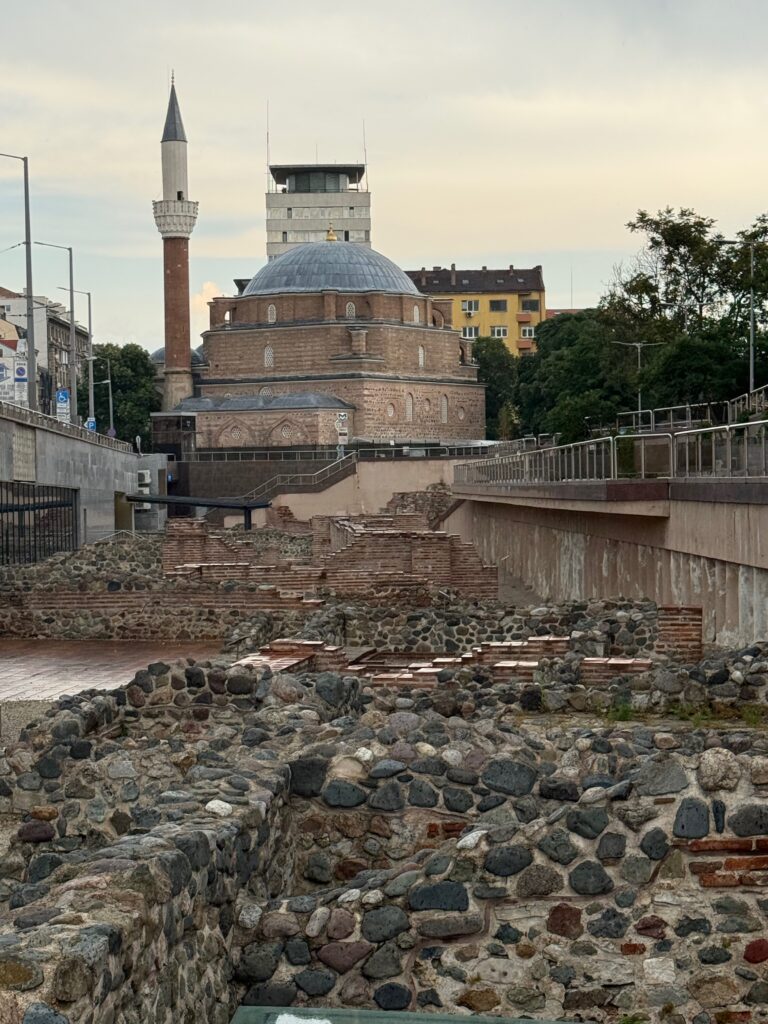 I was surprised to learn that an ancient city lies hidden beneath Sofia. On the site of the present-day city, once stood the Roman city of Serdica. Its remains can still be seen, and the ruins have been integrated into modern urban areas. We also walked on a Roman-era road.
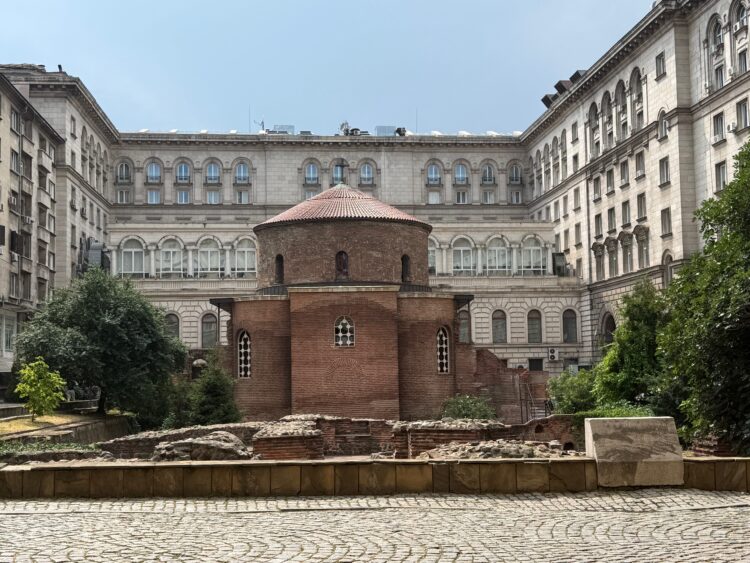
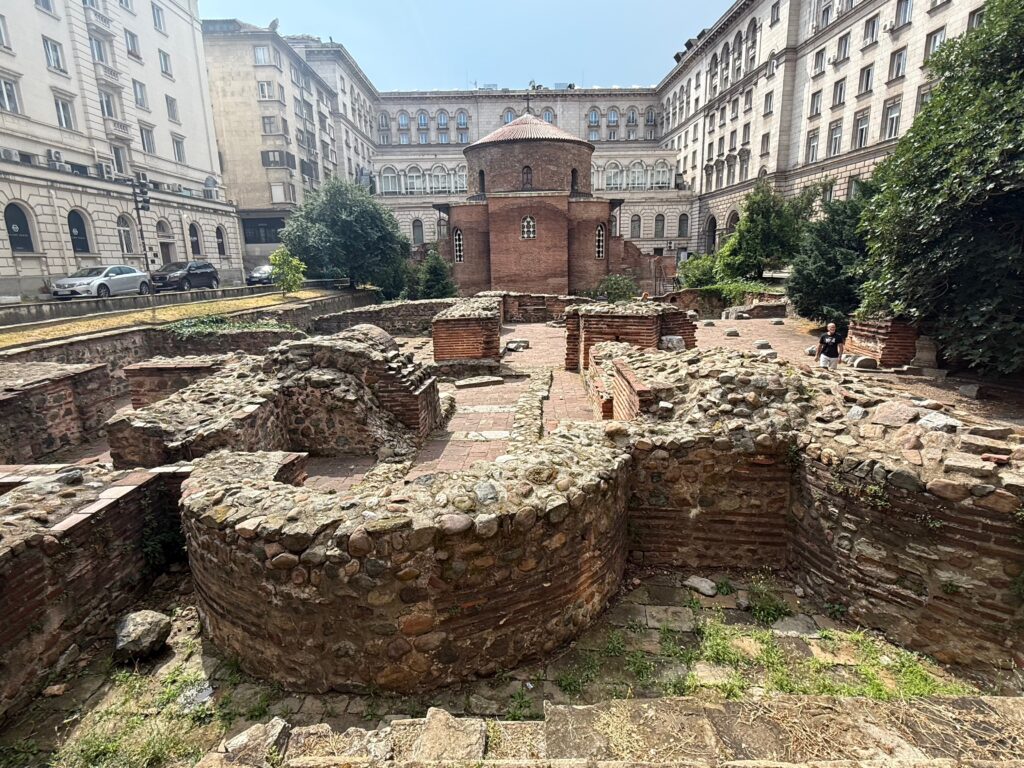
 Next, we reached Sofia’s oldest building, the Church of St. George, built in the 4th century. It’s commonly referred to simply as the Rotunda and is located behind the parliament. The building was used as a bath during Roman times. We could go inside the church but were not allowed to take photos.
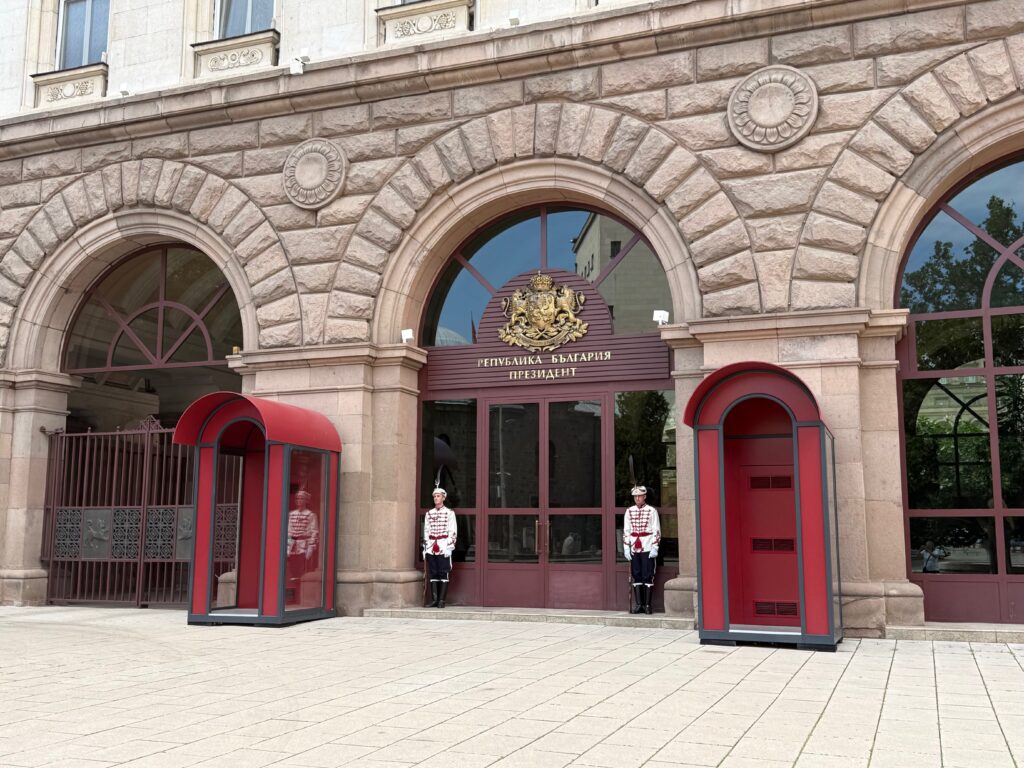
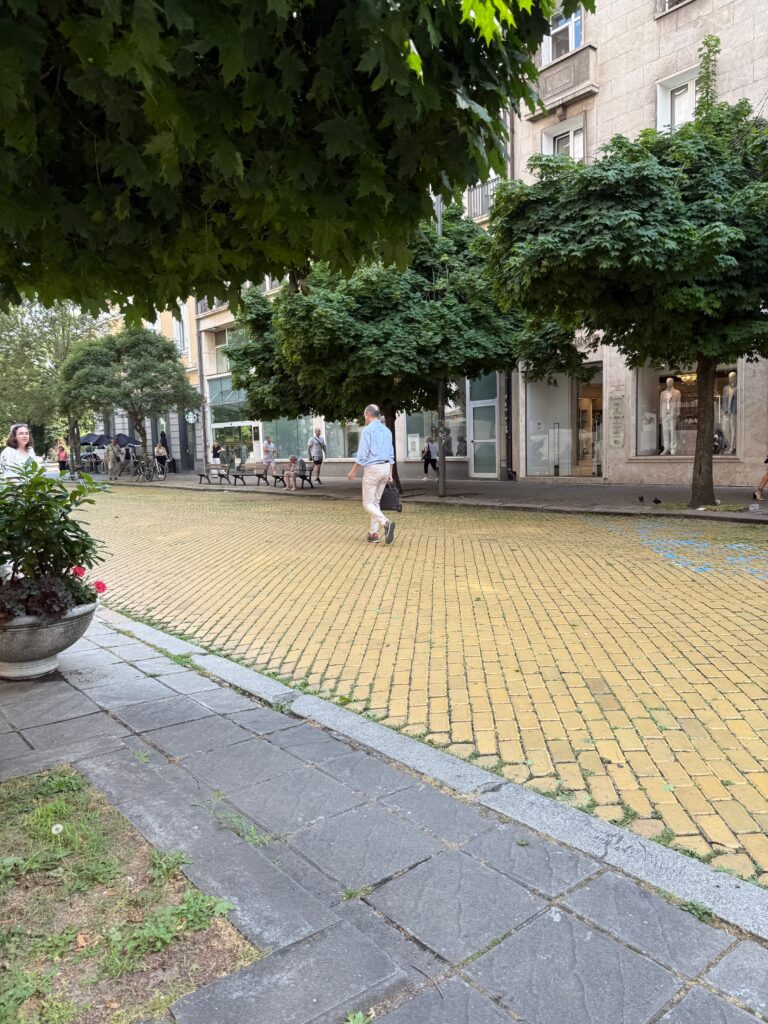
 Walking by Sofia’s famous yellow-brick road, we got to the Ivan Vazov National Theater, which was impressive. The beautiful fountain in front of it was lots of fun. Some sources say that the yellow bricks were a gift to the city from Franz Josep, Austria’s Emperor.
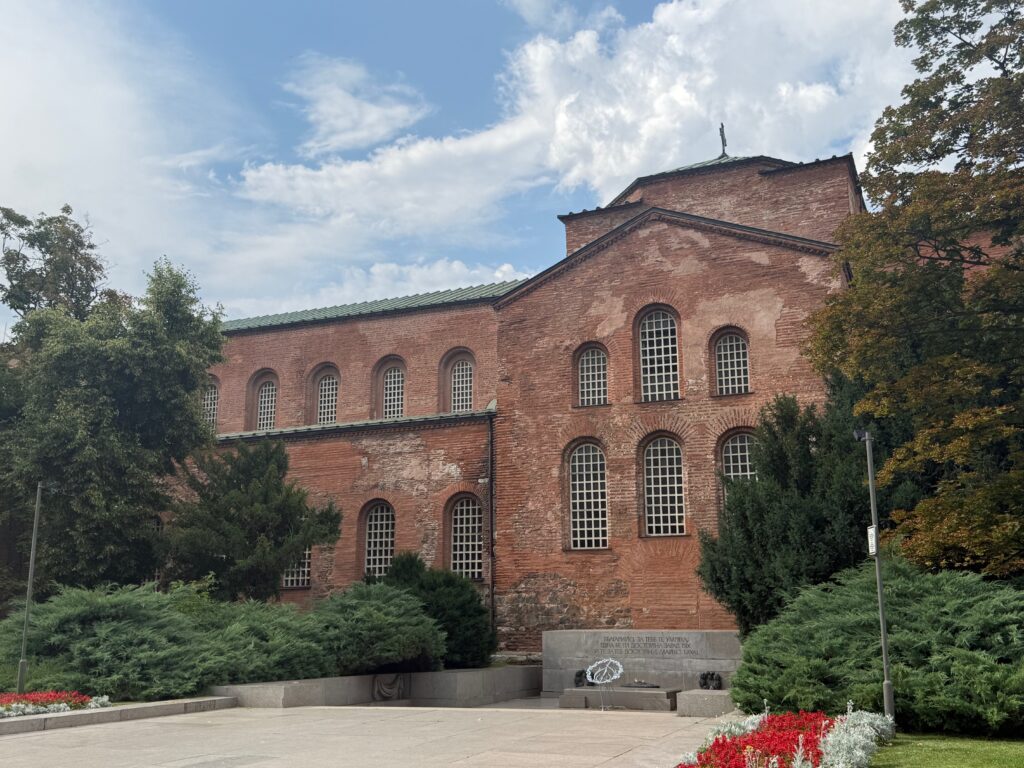
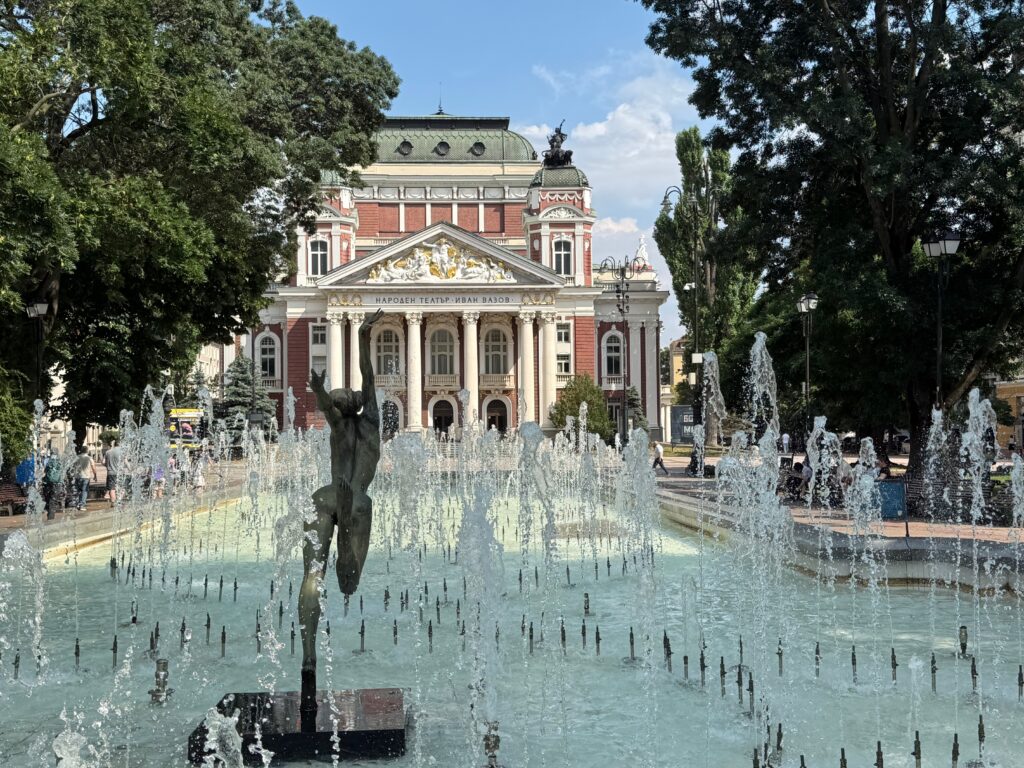 Our guided tour ended by the St. Sophia Church. Here we were given free time to explore this red-brick landmark and the nearby St. Alexander Nevsky Cathedral.
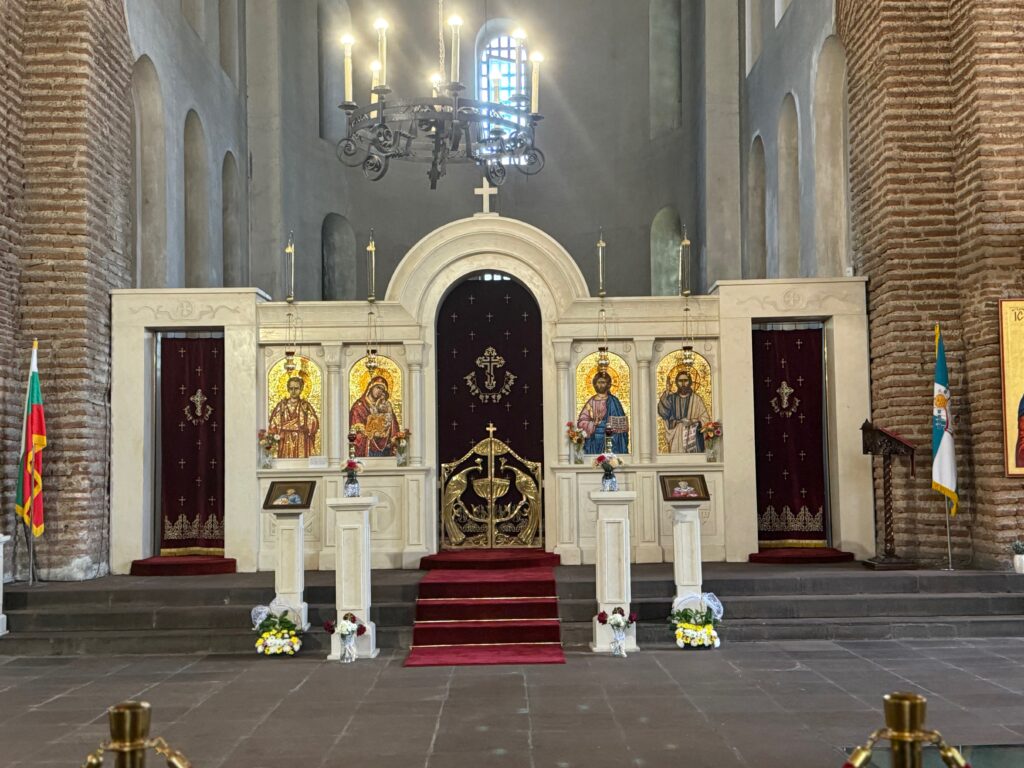
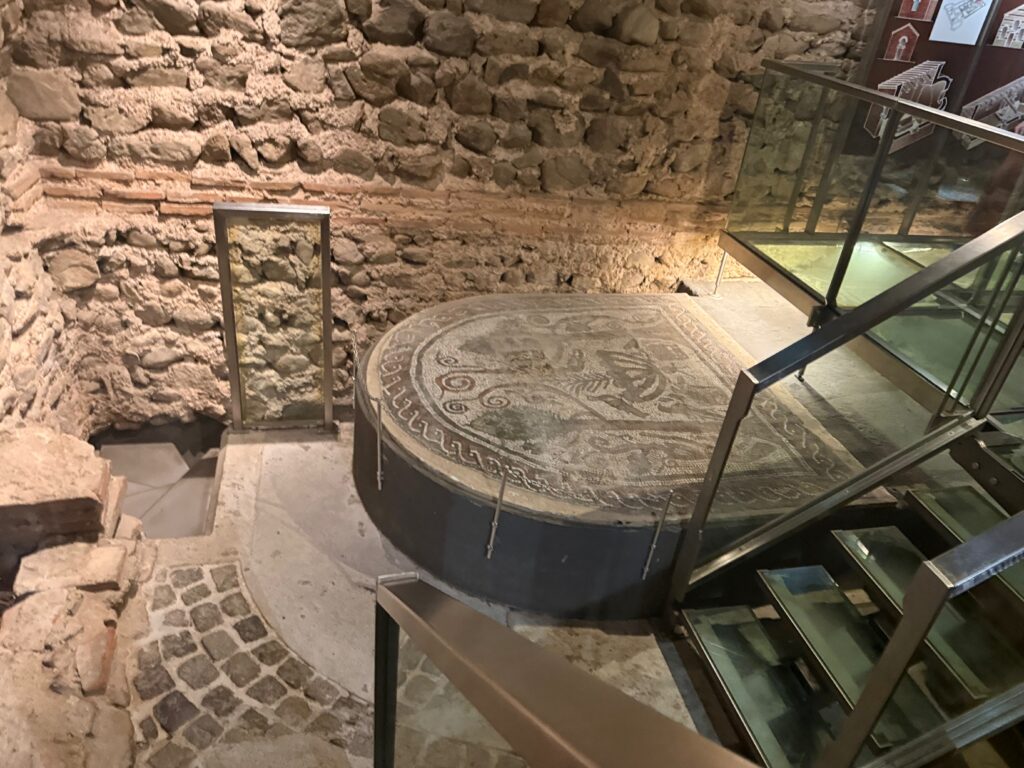
The St. Sophia Church was built on the site of a Roman theater. It has a subterranean museum showcasing remains of previous churches.
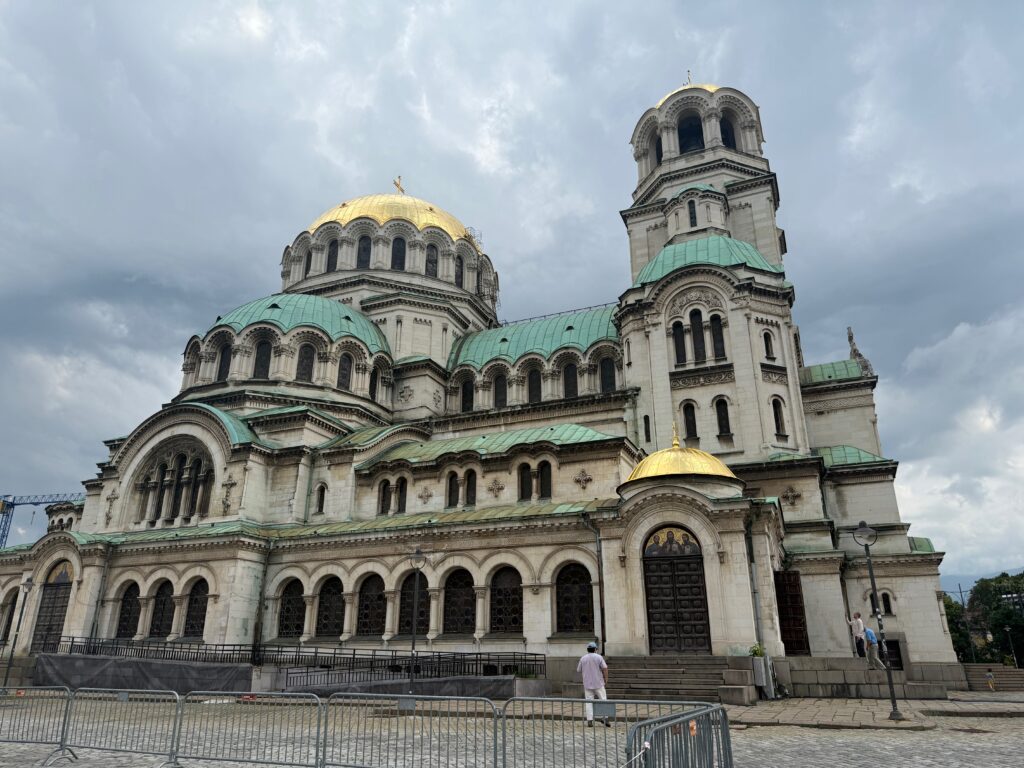
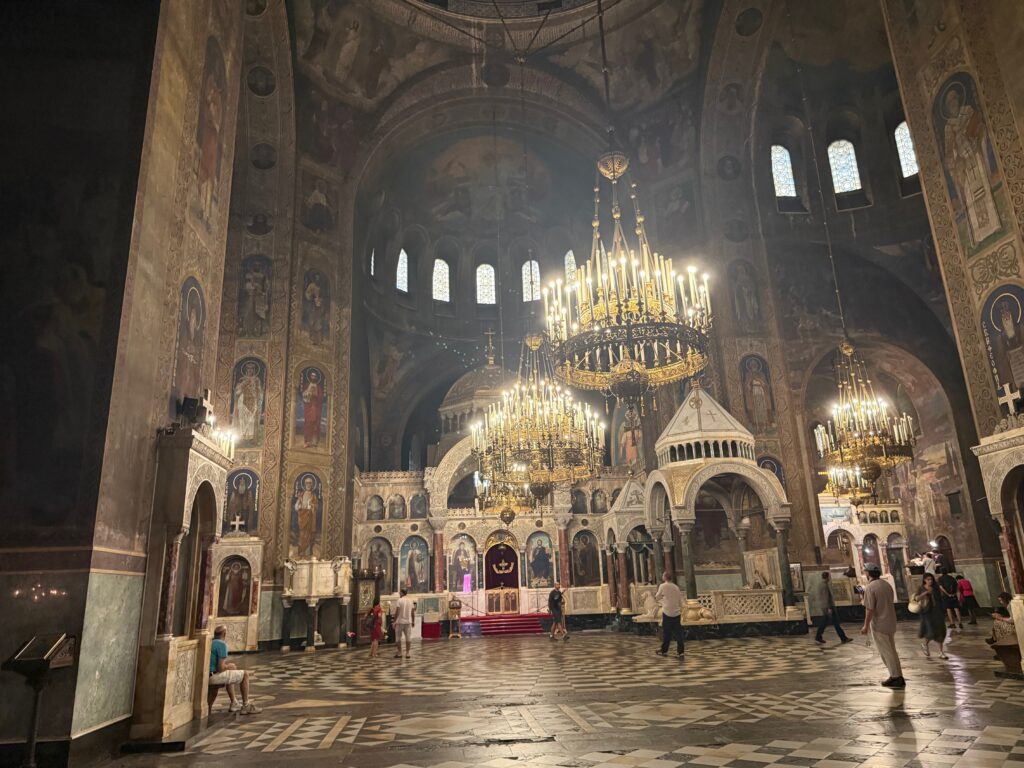
 The St. Alexander Nevsky Cathedral, the largest church in the Balkans, is one of the most iconic Sofia landmarks. It was built in the end of the 19th century in honor of the men who died in the Russo-Turkish wars. It’s a colossal building: it can hold 5,000 people, and its highest point is 45 meters (148 feet). The building’s golden domes are visible from a distance. The interior has magnificent frescoes and Byzantine-style mosaics.
 In the evening, the group’s dinner had to be delayed a little bit because of the huge storm that hit the city. But we finally got to the Hadjidraganov’s Houses Restaurant to enjoy an authentic Bulgarian meal accompanied with live folk music.
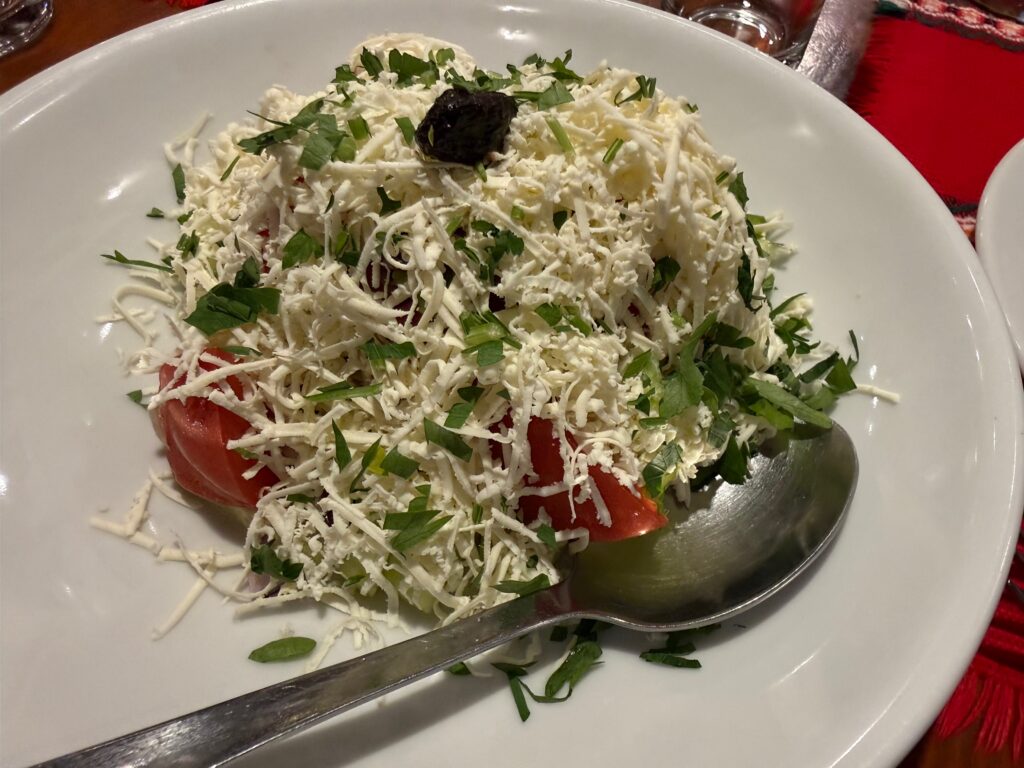
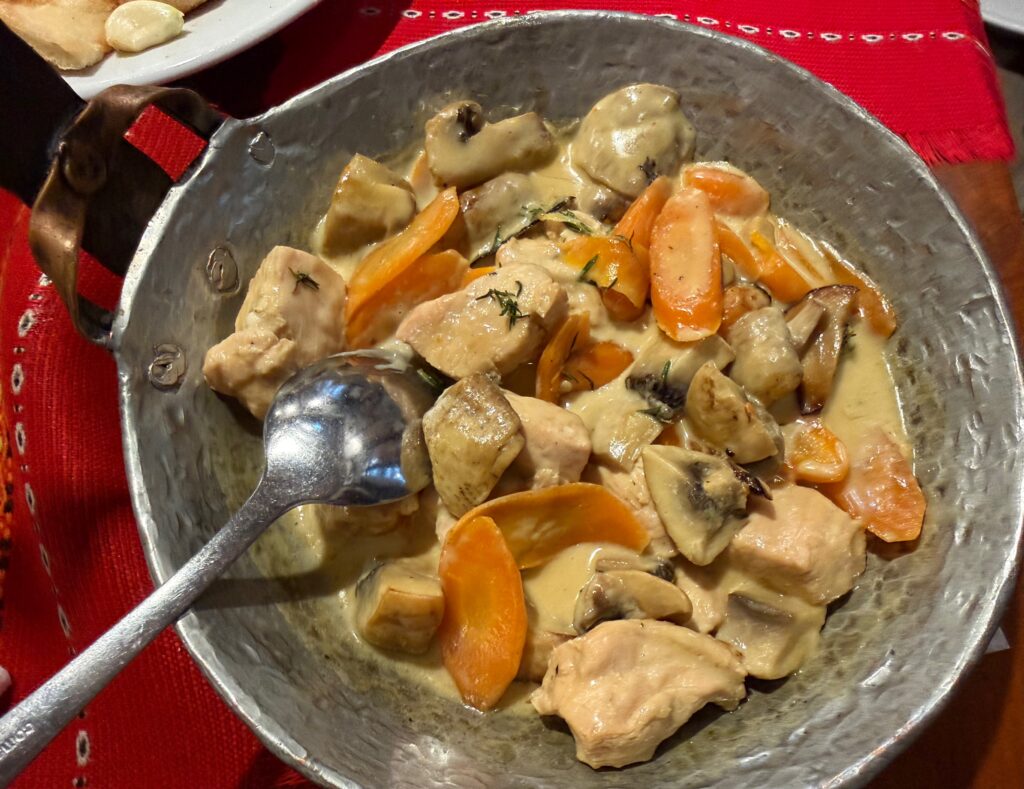
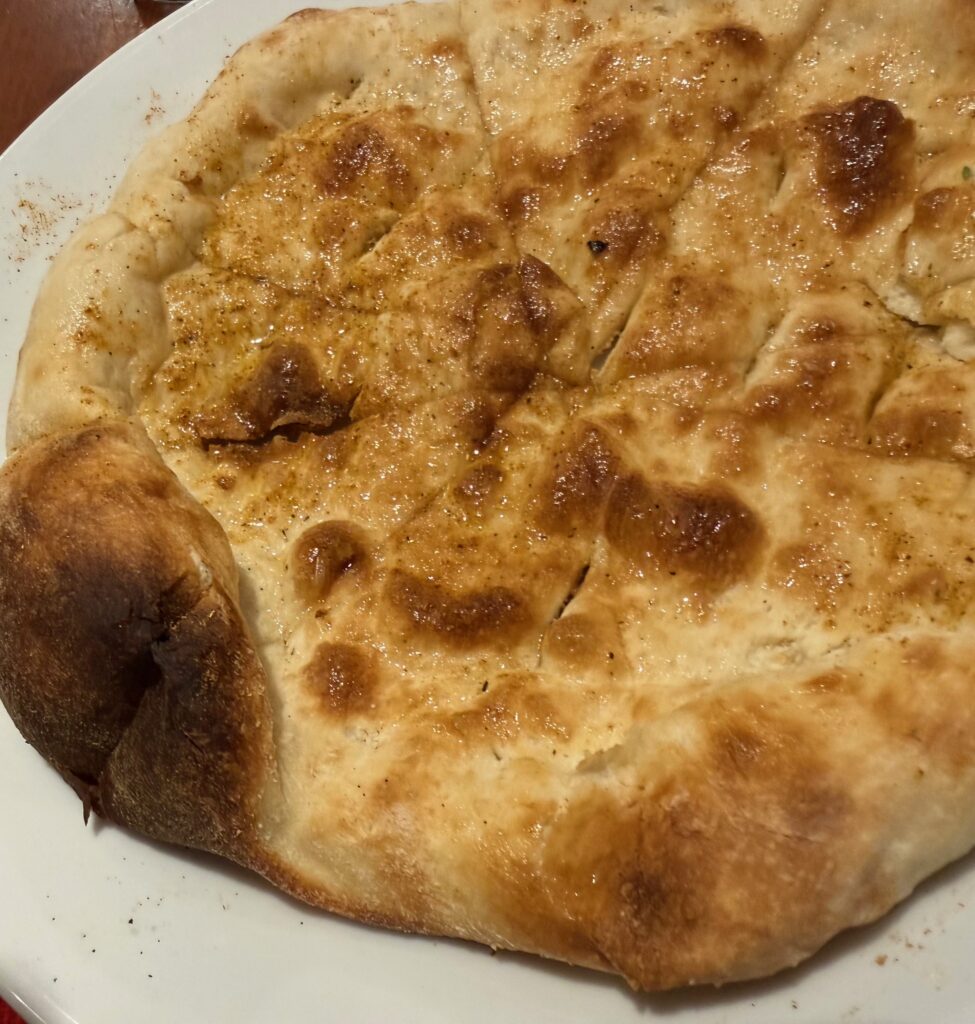
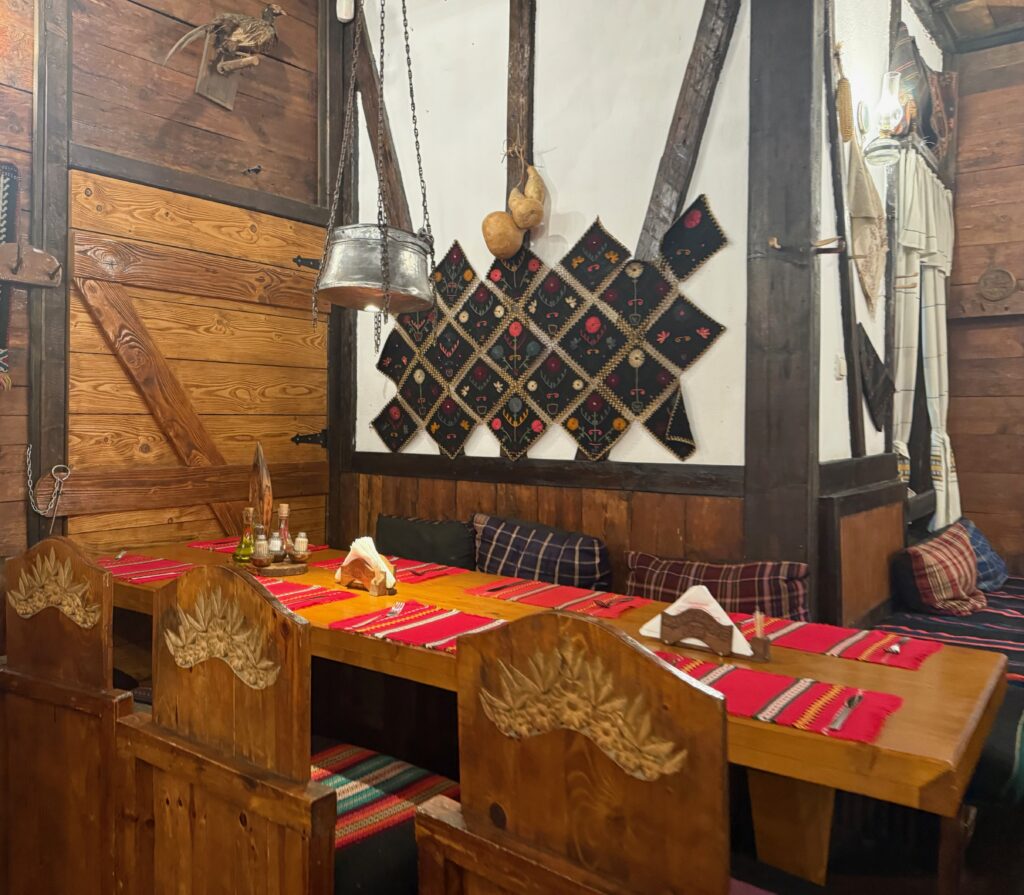 Steve and I shared a shopska salad (Bulgaria’s national dish, made from tomatoes, cucumbers, onions, peppers, and sirene, which is a white brined cheese) and a pile po klisourski (pieces of chicken fillet, mushrooms, and carrots with creamy sauce in a copper pan) served with parlenka (warm, fluffy flatbread topped with garlic). A delicious way to finish a busy day.